• Major U.S. winter storm claims at least 24 lives in 14 states, leaves over 1 million customers without power

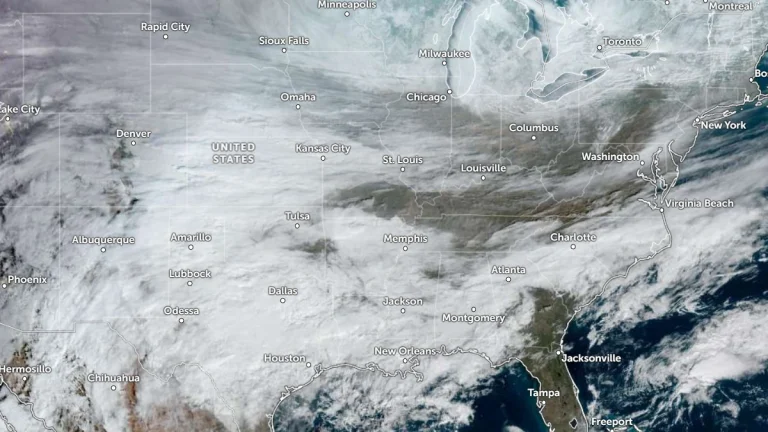
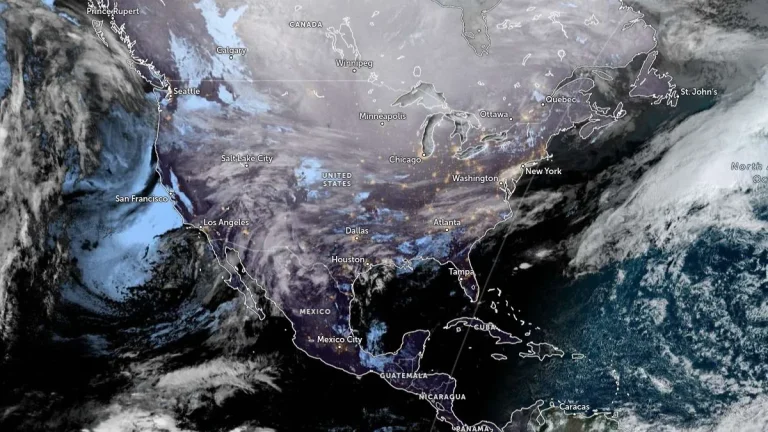
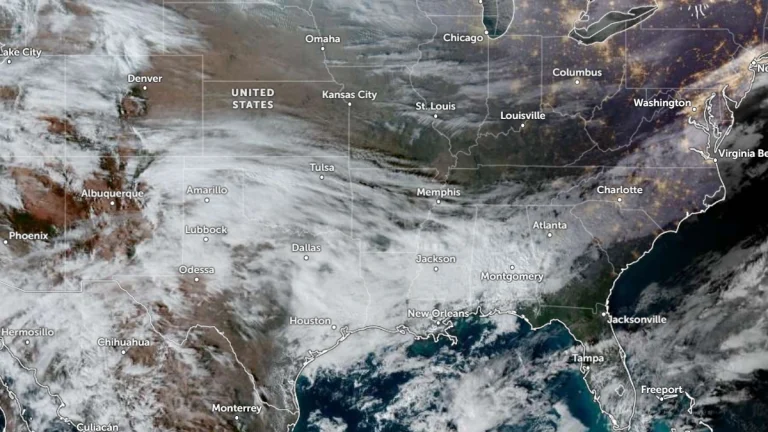
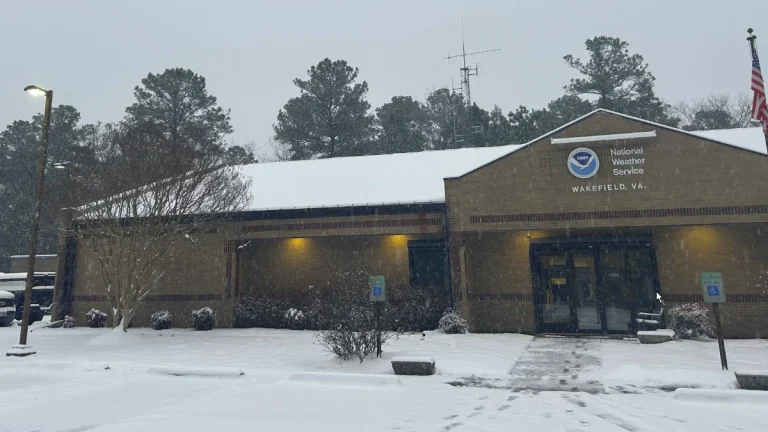
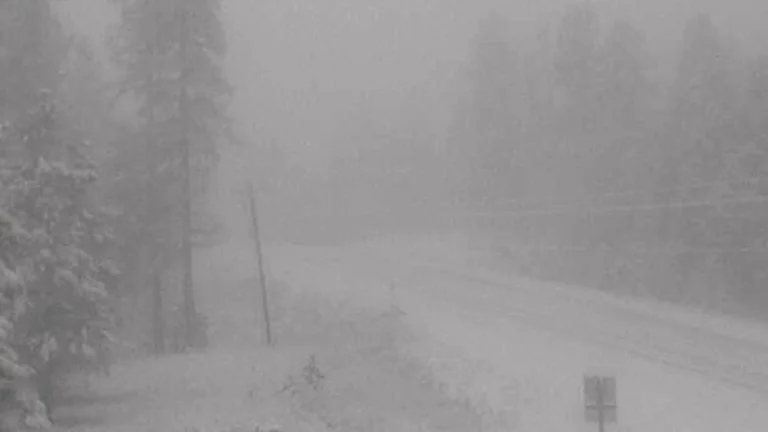
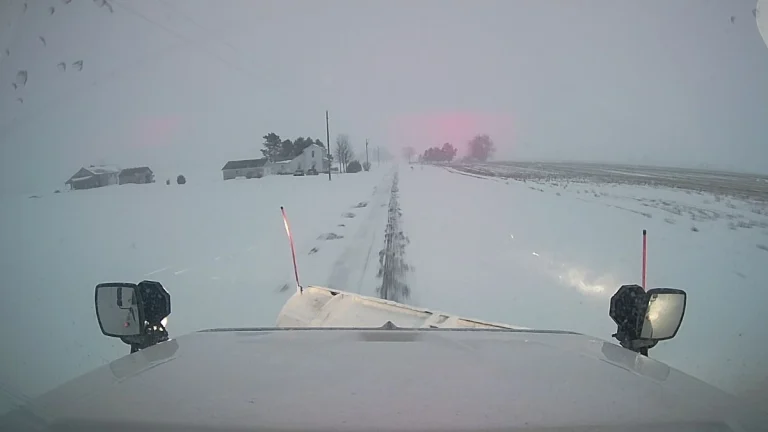
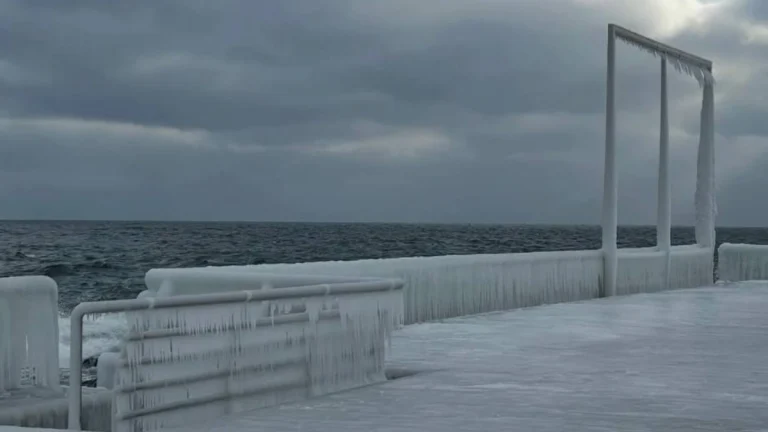
    A major winter storm swept across the eastern two-thirds of the U.S. over the weekend, claiming at least 24 lives as of Monday, January 26, 2026. Over a million customers, roughly 2.5 million people, were left without power as snowstorms hit the northern and northeastern regions, while freezing rain and ice storms wreaked havoc in the south. States of emergency have been declared across multiple regions as the storm’s impacts linger.
  • Episode 41 eruption at Kīlauea produces 480 m (1 575 feet) fountains, tephra reaches Hilo and Puna, Hawaii

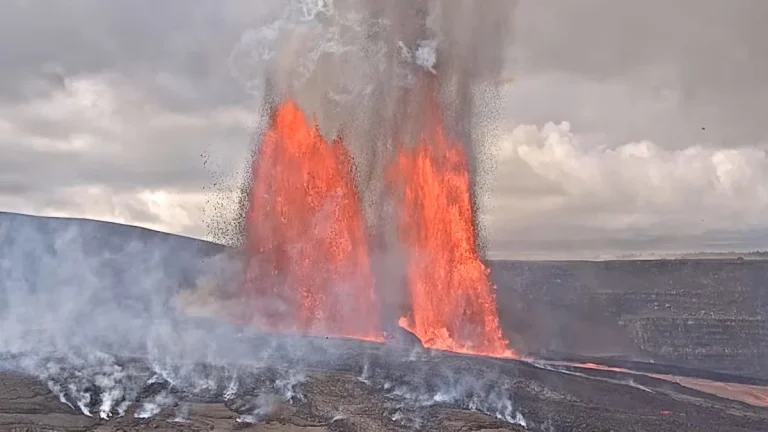
    Episode 41 of Kīlauea’s ongoing Halemaʻumaʻu eruption began at 11:10 HST (21:10 UTC) on January 24, 2026, producing lava fountains up to 480 m (1 575 feet) high and the broadest verified tephra dispersal of the current summit eruption sequence. Fine ash and Pele’s hair were carried by easterly winds to communities as far as Hilo and coastal Puna, while coarse fragments up to 30 cm (1 foot) fell near the vent. The eruption ended abruptly after about eight hours of activity.

  • Stratospheric warming developing over the Arctic forecast to weaken the polar vortex and influence February weather

    Meteorological forecasts show a major sudden stratospheric warming event forming over the Arctic, likely to cause significant weakening of the polar vortex in early February 2026. The resulting atmospheric disruption may alter jet-stream dynamics and increase the risk of Arctic air intrusions into North America and northern Europe during the second half of February.

  • Potentially historic winter storm forecast to impact more than 30 states across the U.S.

    A potentially historic winter storm associated with the Polar Vortex is forecast to bring heavy snow, freezing rain, and dangerous cold across much of the United States from January 23 to 26, 2026. The system is expected to cause widespread travel disruptions, power outages, and hazardous conditions from Texas to the Northeast, with more than 200 million people under various National Weather Service warnings and watches.

  • Long-duration power outages and extremely hazardous travel expected as major winter storm spreads from the Southern Plains to the Northeast

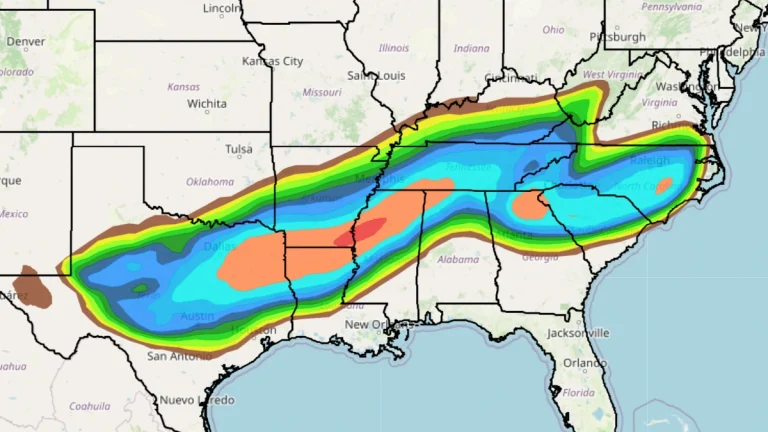
    The National Weather Service (NWS) warns of catastrophic ice accumulation from the Southern Plains to the Southeast as a major winter storm develops and tracks northeastward from January 23 to 26, 2026. The storm is forecast to produce widespread freezing rain, heavy snow, and dangerously cold temperatures, threatening critical infrastructure and travel across much of the eastern United States.

  • Ice storm warnings in effect across Mississippi, Alabama, Tennessee, and Georgia

    Ice storm warnings are in effect for parts of Mississippi, Alabama, Tennessee, and Georgia between January 24 and 26, 2026. Ice accumulations of 6 mm to 25 mm (0.25 to 1 inch) and wind gusts up to 30 mph (48 km/h) are forecast across the regions. The combination of freezing rain, sleet, and gusty winds is expected to cause widespread power outages, tree damage, and extremely hazardous travel conditions.

  • Damaging ice forecast across parts of the South as high-impact winter storm develops

    A major long-duration winter storm is forecast to affect large portions of the central and eastern United States starting Friday, January 23, 2026, with confidence increasing in damaging ice accumulations across parts of the South. Heavy snow, sleet, and freezing rain are expected from the southern Rockies and Plains into the Mid-South, with the system spreading east into the Mid-Atlantic and New England through the weekend.

  • Extreme cold watches expand as Arctic outbreak spreads across central United States

    A large and prolonged outbreak of Arctic air is spreading across the United States, prompting extreme cold watches across much of the northern and central United States from Thursday, January 22, 2026, through Friday, January 24. This Arctic outbreak will bring one of the most dangerous cold spells in recent years, with the greatest threat lasting from Thursday night through early Saturday morning.