• Cascades snowpack remains below 50 percent following late January storms

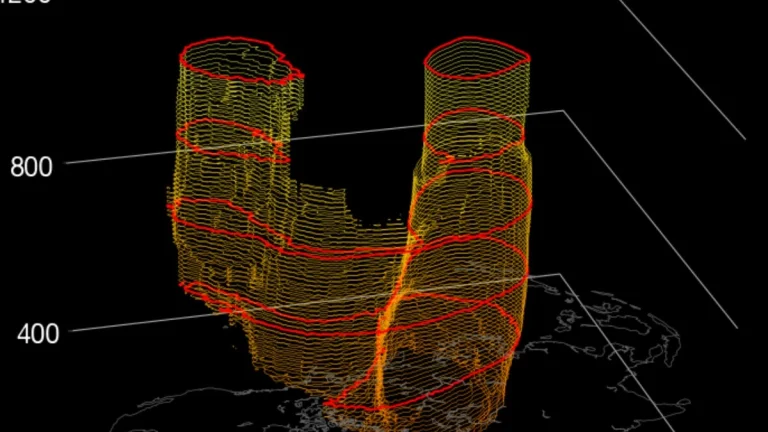
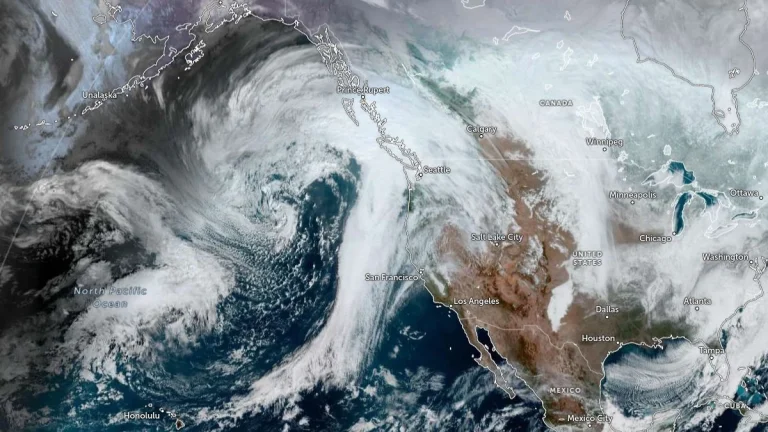
    Four atmospheric rivers affected the Pacific Northwest between January 27 and February 1, 2026, producing 150–300 mm (6–12 inches) of rain in the Olympic Mountains and 100–200 mm (4–8 inches) in the North Cascades. Snowfall reached up to 900 mm (36 inches) in high elevations near Mount Rainier, while snowpack remains below 50% of normal.

  • Rapidly intensifying coastal storm brings heavy snow and Arctic cold to the Carolinas and mid-Atlantic

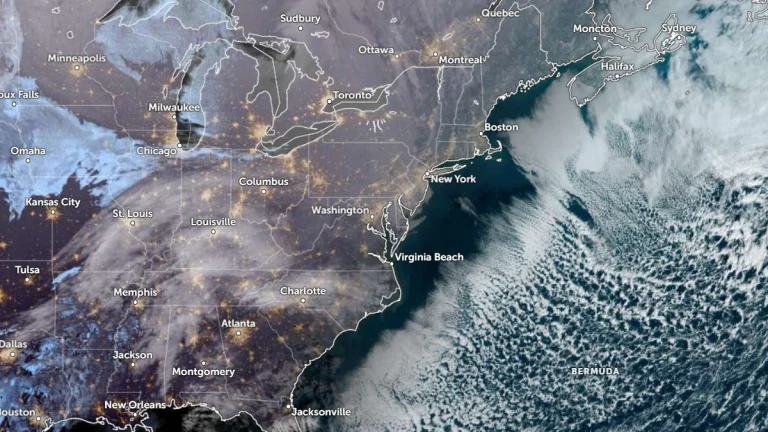
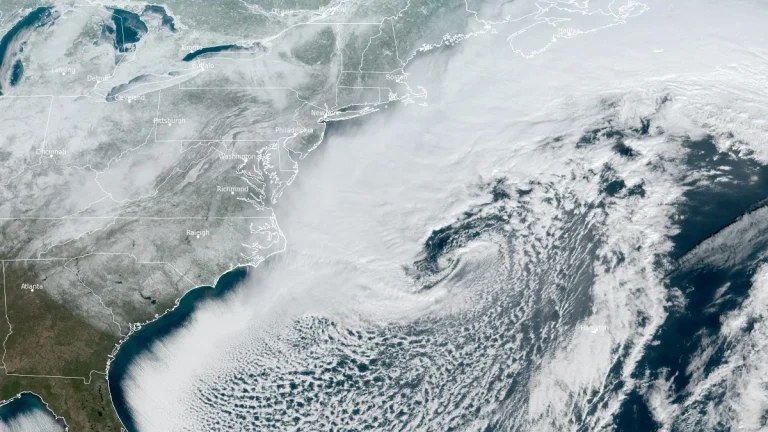
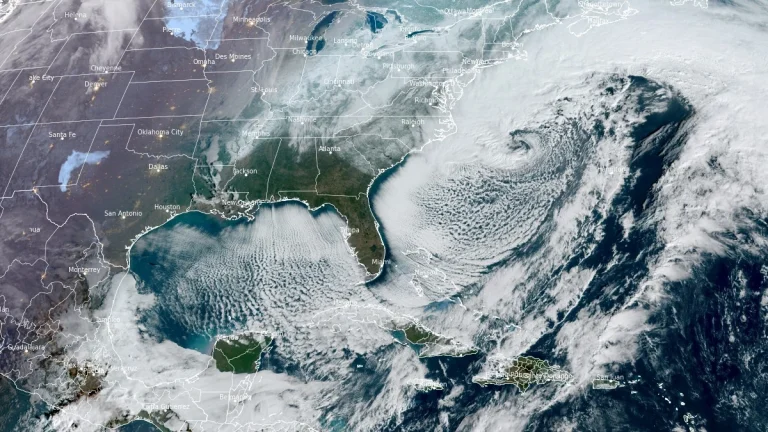
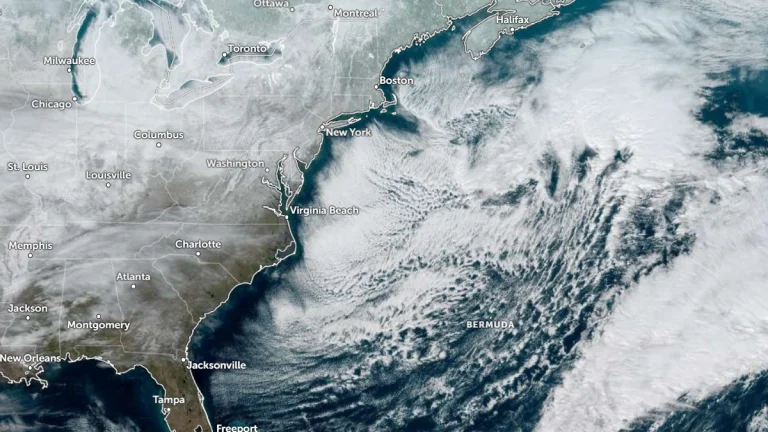
    A powerful winter storm underwent rapid intensification along the East Coast from January 30 to February 1, 2026, bringing historic snow to the Carolinas and deep winter cold across much of the eastern United States. The nor’easter disrupted travel, caused power outages, and extended freezing conditions into Georgia and Alabama.

  • Historic cold breaks multiple February records across Florida

    Record-breaking cold affected nearly all of Florida at dawn on February 1, 2026, when minimum temperatures fell to between −5 and −3°C (26–23°F) across central and eastern regions. The National Weather Service Melbourne Office reported that daily records were broken or tied at all of their official climate observation sites, including Orlando, Daytona Beach, Sanford, Melbourne, Vero Beach, and Fort Pierce.

  • Over 100 fatalities confirmed after major January 2026 U.S. winter storm

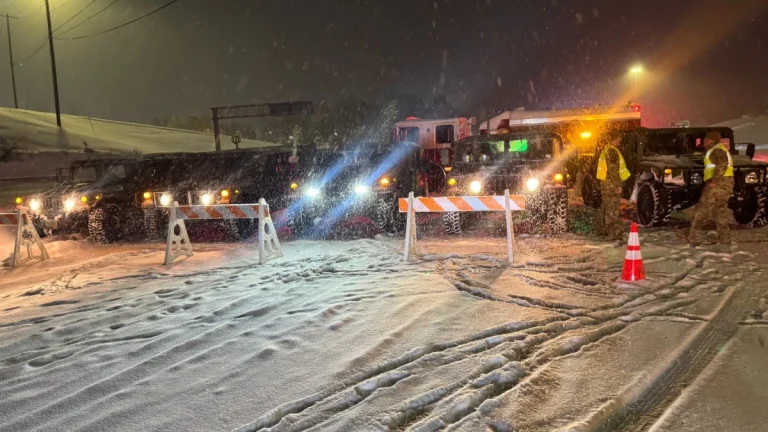
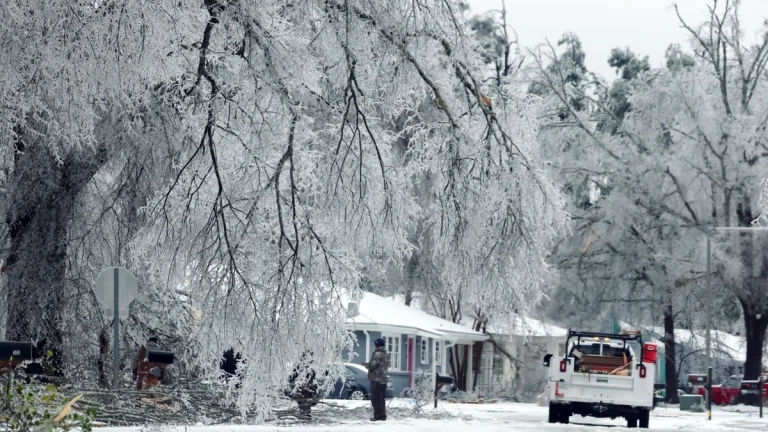
    Up to 115 fatalities have been reported across more than 20 states in the U.S. after a historic winter storm swept through the eastern two-thirds of the country between January 24 and 26, 2026. The storm is now the deadliest since the 2021 Texas power crisis, when multiple storms claimed nearly 250 lives across the country, and has surpassed the death toll of the 2022 Buffalo Blizzard of the Century.