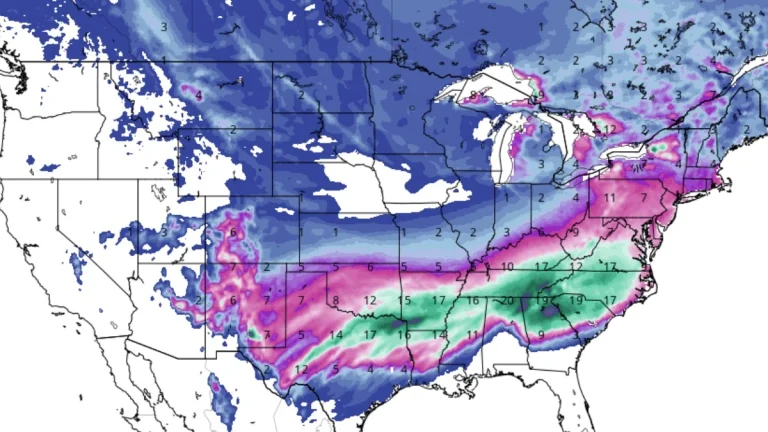
• Winter storm watches in effect across central and southern United States

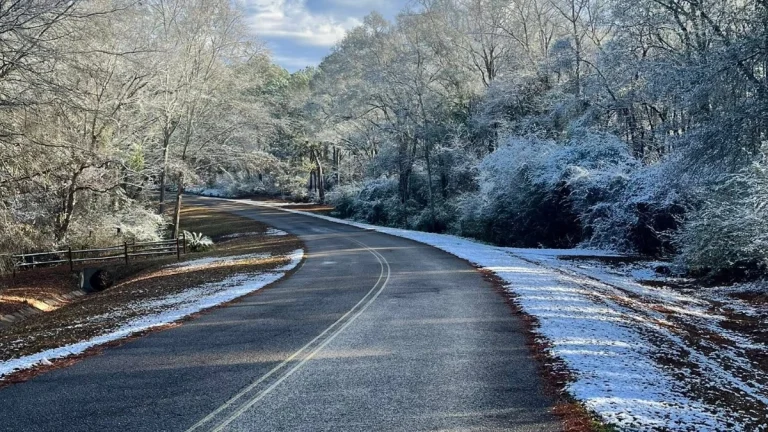
    Winter storm watches are in effect from New Mexico and Texas to Arkansas, Tennessee, and Kentucky, from Friday morning through late Saturday night, January 23–24, 2026, with some extending into Sunday afternoon, January 25. Heavy snow, sleet, and ice accumulations are forecast, along with dangerously cold temperatures that will persist into Monday morning, January 26.
  • Multiple injured after 100-vehicle pileup near Hudsonville, Michigan

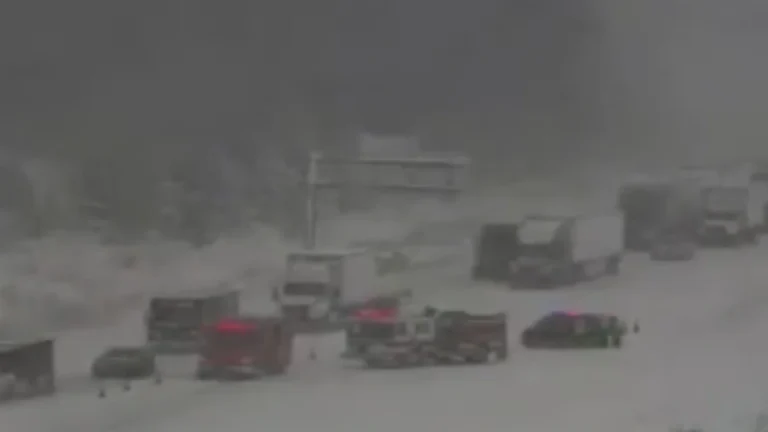
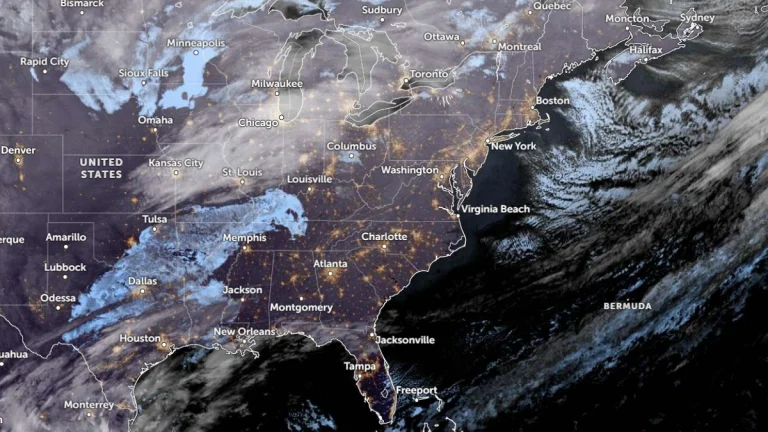
    Multiple injuries were reported after lake effect snow and whiteout conditions triggered a 100-vehicle pileup on the I-196 southeast of Grand Rapids on Monday, January 19, 2026. The crashes prompted the closure of all lanes of the highway throughout the day as crews cleared the road.

  • Winter storm warnings in effect across Great Lakes and Northeast U.S.

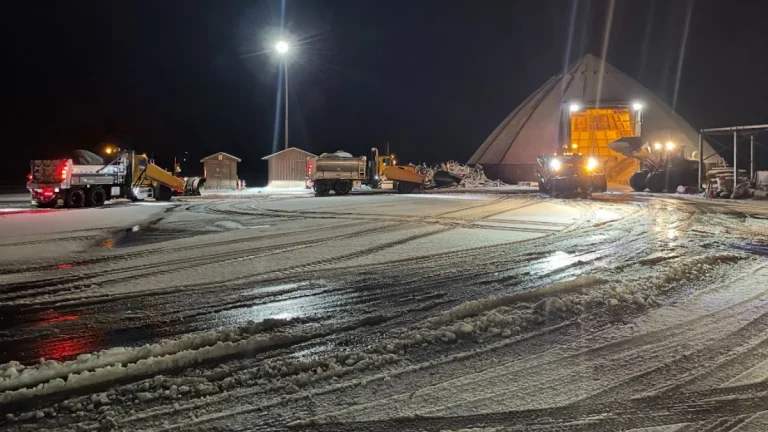
    Heavy snow and strong winds continue across the Great Lakes and Northeast U.S. on January 19, 2026, with winter storm warnings and advisories in effect across the region. Snow accumulations are forecast to reach 15–-35 cm (6–14 inches) in Michigan and up to 120 cm (4 feet) in parts of northern New York.

  • Snow squalls create hazardous travel conditions across Ohio and Pennsylvania

    Snow squalls continued through the Saturday afternoon, January 17, 2026, across parts of Ohio and Pennsylvania as an Arctic cold front advanced eastward from the Midwest into the Interior Northeast. The National Weather Service warned of sudden whiteout conditions, gusty winds, and rapidly deteriorating visibility, creating dangerous travel for motorists.

  • Major polar vortex disruption brings Arctic surges across North America and Europe through January and early February

    A major polar vortex disruption has begun and is forecast to send Arctic air into much of North America and Europe through mid and late January 2026. The event will bring freezing temperatures and winter weather as the vortex weakens following a stratospheric warming episode. A second, stronger outbreak is forecast to occur during the last part of January as the core of the vortex splits into two halves, each driving cold Arctic air into Europe and North America in February.

  • Pavlof volcano alert raised after rise in long-period earthquakes, Alaska

    A notable increase in seismic activity was detected at Pavlof volcano on the Alaska Peninsula on January 14, 2026, prompting the Alaska Volcano Observatory (AVO) to raise the alert level to Advisory and the Aviation Color Code to Yellow. No surface activity or eruptive changes were observed, and seismicity has since declined to background levels.