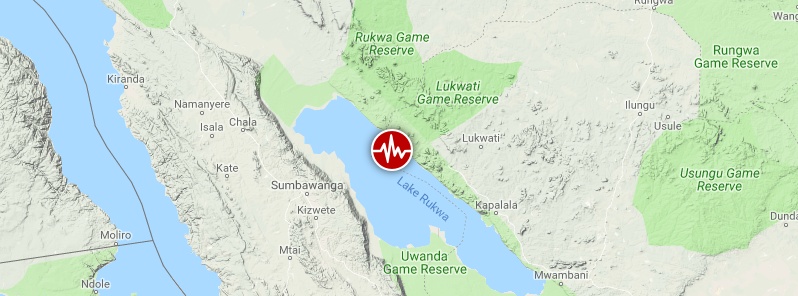
• Deadly M5.5 earthquake hits Lake Rukwa, Tanzania

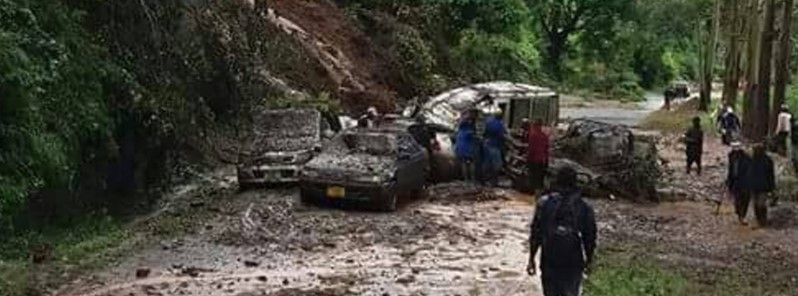
    A shallow earthquake registered by the USGS as M5.5 hit Lake Rukwa region of southwestern Tanzania at 09:15 UTC (12:15 local time) on March 21, 2019, at a depth of 22 km (13.6 miles). EMSC is reporting M5.1 at a depth of 10 km (6.2 miles). The epicenter was located…
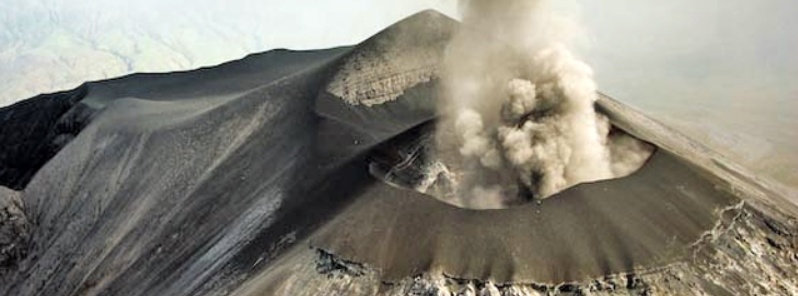
  • Ol Doinyo Lengai volcano showing signs it may erupt, Tanzania

    The Ol Doinyo Lengai, called the Mountain of God by the Maasai people is showing signs it may erupt. This is the only volcano in the world that sometimes erupts natrocarbonatite lava, a highly fluid lava that contains almost no silicon. According to Al Jazeera's…

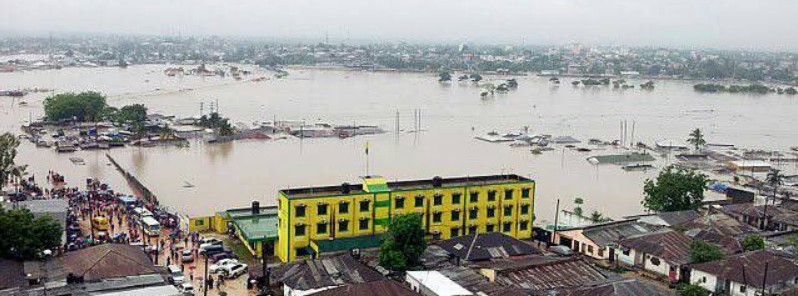
  • 14 killed after severe floods hit Dar es Salaam, Tanzania

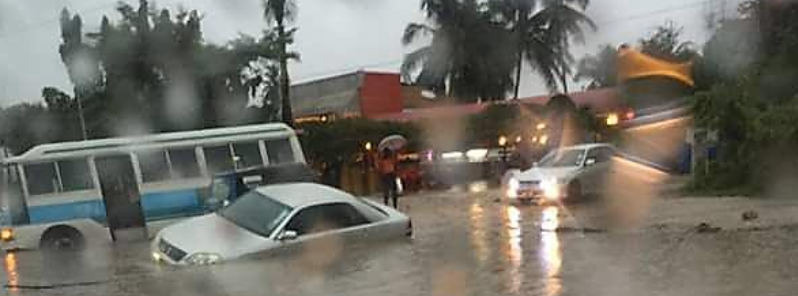
    Heavy rains that hit Tanzania over the past couple of days caused buildings to collapse and widespread flooding in Dar es Salaam, a major city and commercial port on Tanzania’s Indian Ocean coast. A statement released by Tanzania Meteorological Agency (TMA)…

  • Record rainfall hits Tanzania, causing widespread flooding

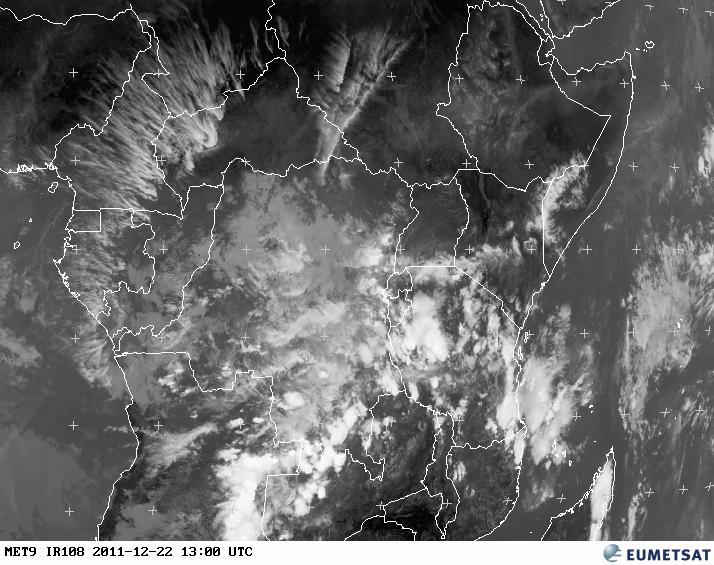
    Record-breaking rainfall hit parts of Tanzania, the most flood-affected country in eastern Africa, over the past couple of days, causing widespread flooding, mudslides and major travel disruptions. More than 170 mm (6.7 inches) of rain was measured in Dar es Salaam…

  • Deadly M5.9 earthquake hits Tanzania, one of country’s strongest ever

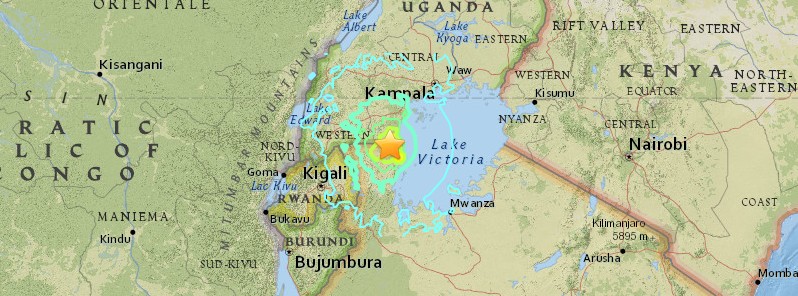
    A strong and shallow earthquake registered by the USGS as Mww5.9 hit near Lake Victoria, Tanzania, Africa at 12:27 UTC on September 10, 2016. The agency is reporting a depth of 40 km (24.8 miles). The quake caused serious damage to property, killed at least 15…

  • Heavy flooding hits Tanzania

    Heavy rainfalls that have been battering Tanzania since January 14, 2016, have caused flooding across a few regions of the country, including Morogoro, Katavi and Dar es Salaam. 6 people died on January 28 alone, in a flood-related incident, while thousands have…

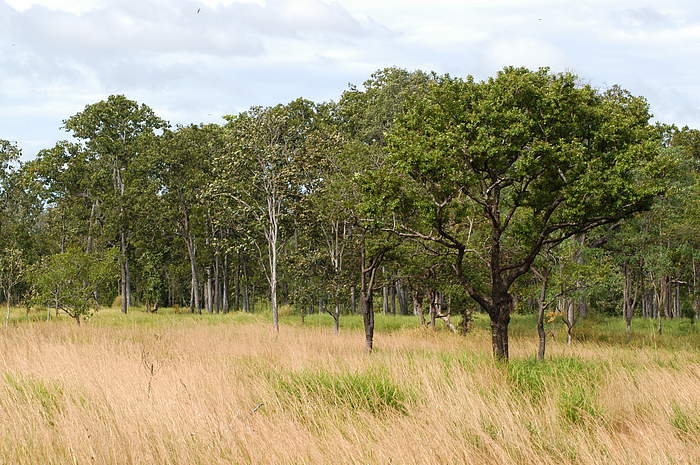
  • Antimalarial trees in East Africa threatened with extinction

    Researchers  find  that plants in East Africa with promising antimalarial qualities – ones that have treated malaria symptoms in the region’s communities for hundreds of years – are at risk of extinction. Scientists fear that these natural remedial qualities, and