Large geyser erupts in Hokkaido, sending jets of water up to 40 m (130 feet) high, Japan
A large geyser started erupting on the grounds of a shrine in Oshamanbe Town, Hokkaido, Japan on August 8, 2022.

A large geyser started erupting on the grounds of a shrine in Oshamanbe Town, Hokkaido, Japan on August 8, 2022.

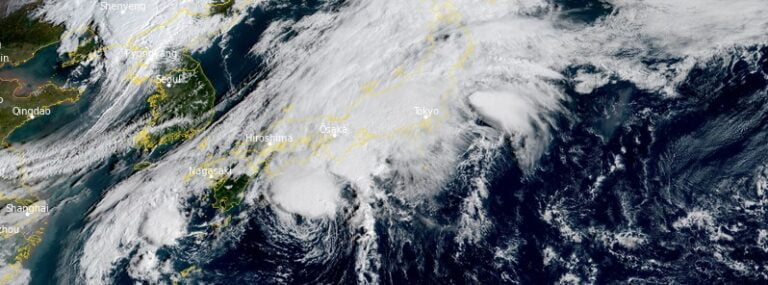
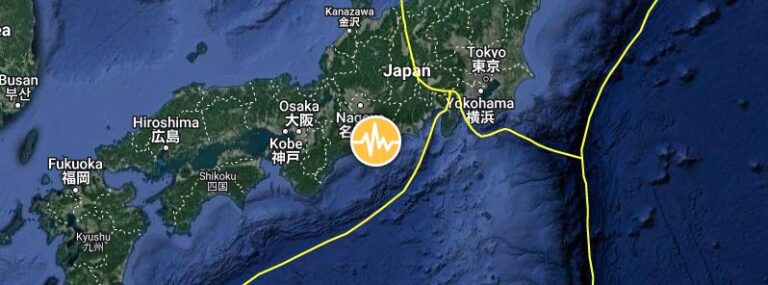
Tropical Storm “Meari” made landfall in Shizuoka Prefecture, close to capital Tokyo at 08:30 UTC (17:30 LT) on August 13, 2022, with maximum sustained winds of 72 km/h (45 mph). The storm caused disruption to the roads and train and air services during the peak summer holiday season, the Japan Meteorological Agency (JMA) said.

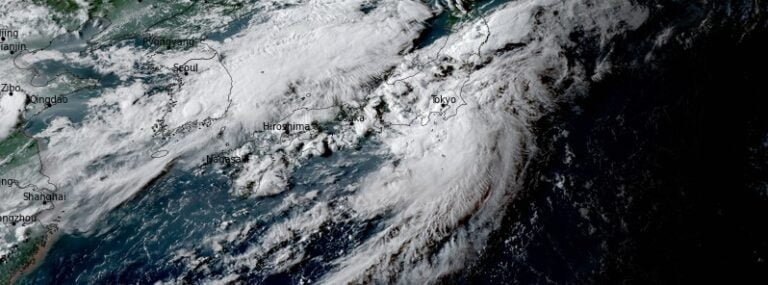
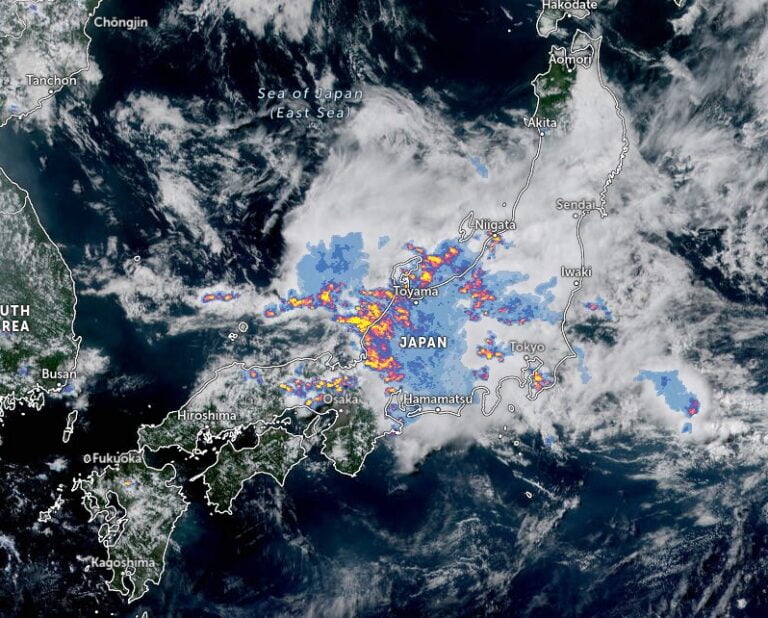
A new round of extremely heavy rain is battering parts of northern Japan on August 10, 2022. The event comes just 6 days after more than 540 000 people were ordered to evacuate from the Tohoku and Hokuriku regions.

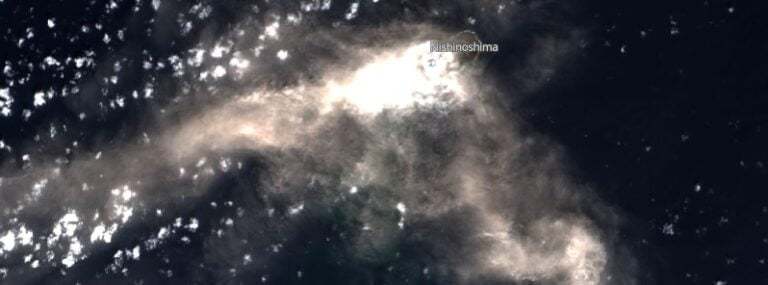
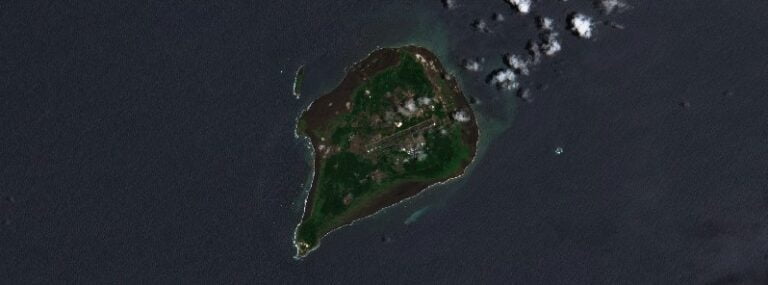
The Japan Meteorological Agency (JMA) reports that for the first time in 1 000 years, volcanic eruptions spewing magma are believed to have taken place just off the southern coast of Japan’s Ioto island, also known as Iwojima and Iojima.

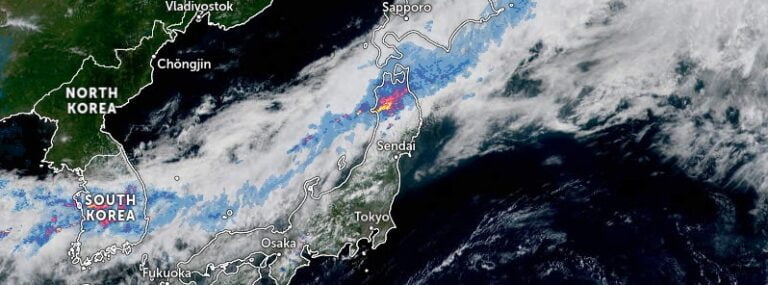
As of Thursday morning (LT), August 4, 2022, over 540 000 residents living in the Tohoku and Hokuriku regions of Japan were ordered to evacuate as heavy rains continue falling over the Sea of Japan shoreline, triggering floods and landslides.

A strong explosive eruption took place at Sakurajima volcano, Japan at 20:05 LT (11:05 UTC) on July 24, 2022, prompting the Japan Meteorological Agency (JMA) to raise the Volcanic Alert Level from 3 to 5 and urge residents living within 3 km (1.8 miles) from the volcano to evacuate.

The Japan Meteorological Agency (JMA) raised the alert level for Tsurumidake and Garandake, Kyushu, Japan on July 8, 2022, from 1 to 2 (restriction on proximity to the crater). The last eruption at this volcano took place in the year 867 (VEI 3).

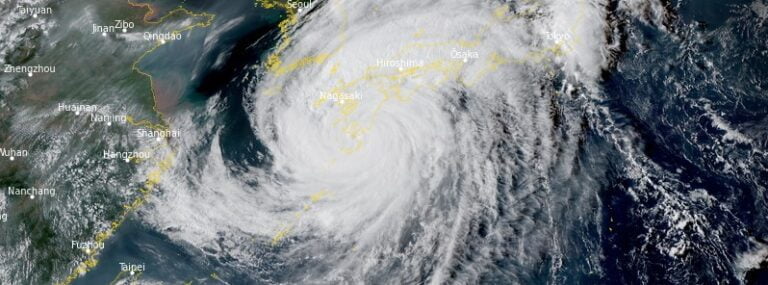
Tropical Storm “Aere” formed on July 2, 2022, as the 4th named storm of the 2022 Pacific typhoon season. The storm made its first landfall in Okinawa, Japan on the same day and reached Kyushu on July 4, making landfall near Sasebo, Nagasaki, shortly before 21:00 UTC (06:00 LT, July 5).

The Japan Meteorological Agency said Monday, June 27, 2022, that the rainy season in Tokyo and neighboring areas in eastern and central Japan appears to have ended, marking the earliest finish to the period since data became available in 1951.

Record-breaking June temperatures are engulfing Japan, prompting authorities to issue heatstroke advisories and warn of power outages. High temperatures are expected to last at least until early July.