Warmest March in recorded history for much of Japan
In 2023, much of Japan experienced the warmest March in recorded history. The unprecedented warmth has led to a record early bloom of cherry blossoms in many places.


In 2023, much of Japan experienced the warmest March in recorded history. The unprecedented warmth has led to a record early bloom of cherry blossoms in many places.
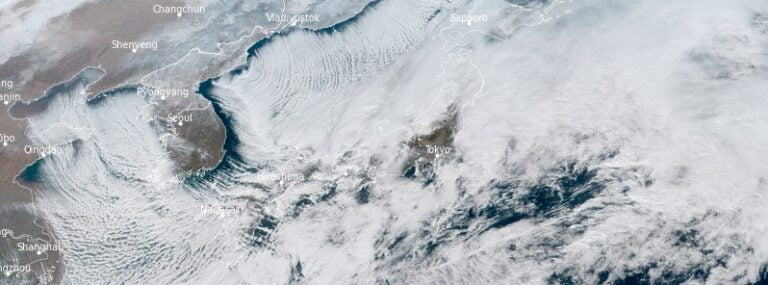
Brutal cold weather is impacting Japan on Tuesday, January 24, 2023, bringing remarkable sea-effect snow. Recorded strong winds and temperatures seen only once in 10 years are expected on January 25. The weather is causing flights to be canceled and traffic disruptions due to frozen roads.
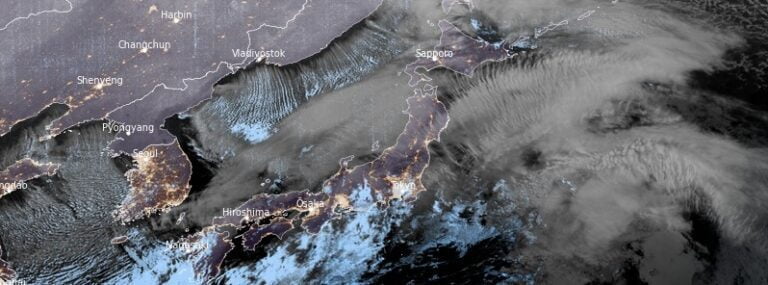
Japan is bracing itself for a dangerous chill and heavy snowfall that is expected to hit the nation from Tuesday, January 24 to Thursday, January 26, 2023.

Extremely heavy sea effect snow affecting Japan since December 14, 2022, claimed lives of at least 17 people and left at least 90 people injured, as of December 26.

Heavy sea effect snow continues affecting parts of Japan, bringing unprecedented amounts to parts of the country.

Heavy sea-effect snow and the coldest air mass of the season are affecting Japan this week, forcing authorities to issue blizzard warnings for parts of the country.
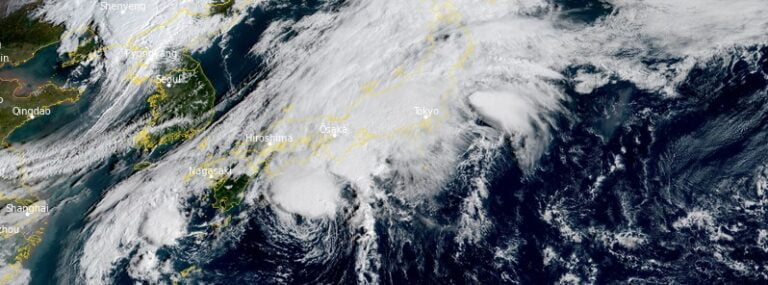
Tropical Storm “Talas” formed on September 23, 2022, as the 15th named storm of the 2022 Pacific typhoon season. The storm brought heavy rains and strong winds across central Japan, leaving 2 people dead and tens of thousands without power.
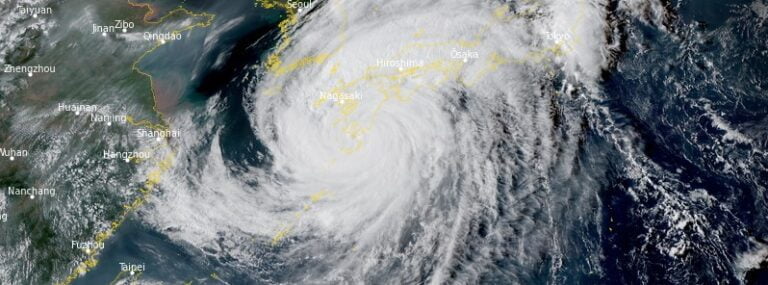
Typhoon “Nanmadol” made landfall in Kyushu, Japan on September 18, 2022, with maximum sustained winds of 175 km/h (110 mph) and a central pressure of 935 hPa – making it the 4th strongest typhoon on record to make landfall in Japan. Historical records there date back to 1951.
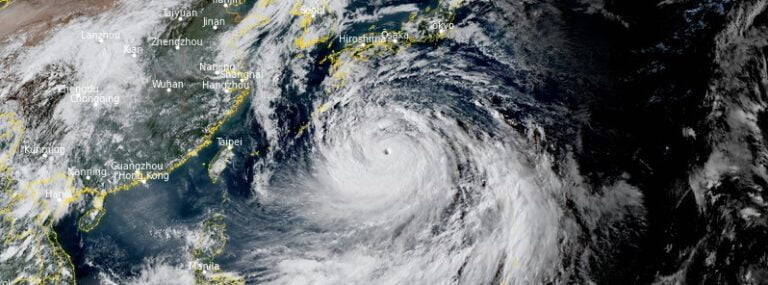
Nanmadol formed on September 13, 2022, as the 14th named storm of the 2022 Pacific typhoon season, strengthened to a typhoon on September 15, and reached super typhoon status on September 16. The system is still strengthening and is expected to reach Kyushu, Japan by September 18.

Typhoon “Hinnamnor” made landfall near the city of Busan, South Korea at 19:50 UTC on September 5 (04:50 LT, September 6), with maximum sustained winds of up to 150 km/h (95 mph), and exited into the Sea of Japan at around 22:10 UTC. At least 2 people have been killed in South Korea and 10 have gone missing.
