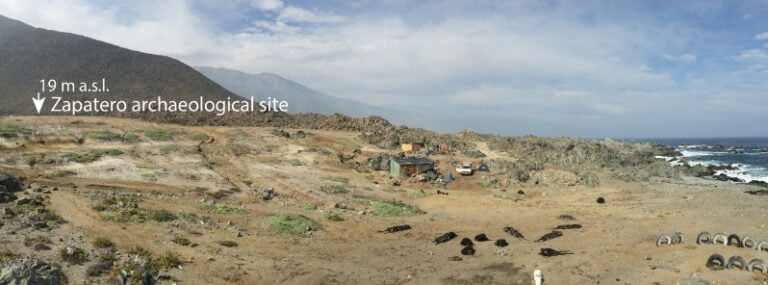
• Geoarchaeological evidence reveals a major M9.5 tsunamigenic earthquake in Chile

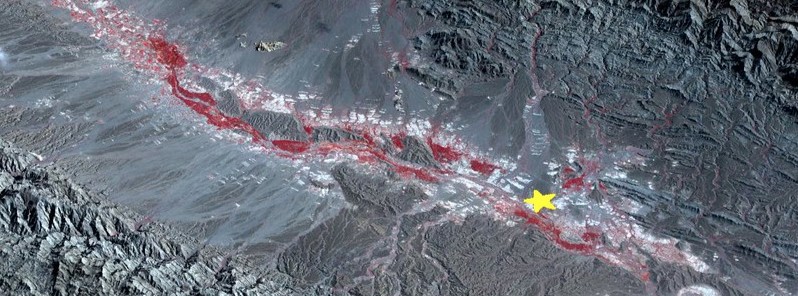
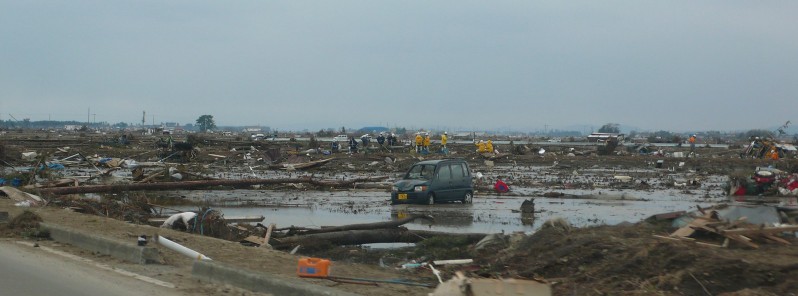
    A new study published this week in Science Advances presents geoarchaeological evidence revealing a major M~9.5 tsunamigenic earthquake that severely affected prehistoric hunter-gatherer-fisher communities some 3 800 years ago, causing an exceptional social disruption reflected in contemporary changes in archaeological sites and triggering resilient strategies along these coasts. Together with tsunami modeling results, researchers suggest…
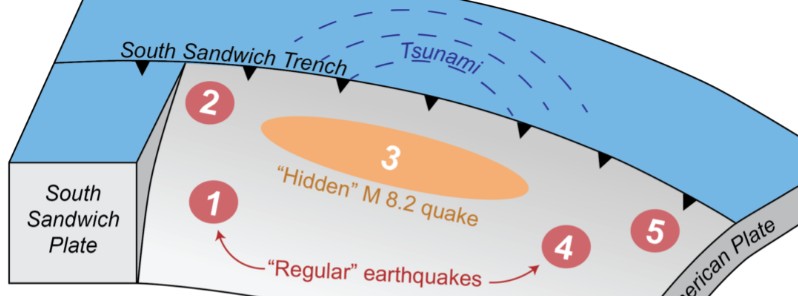

  • World’s longest recorded earthquake lasted for 32 years

    The devastating M8.5 earthquake that shook Sumatra, Indonesia, in 1861 was long believed to be a sudden rupture on a previously quiescent fault. However, new research showed that tectonic plates below the island had been slowly crashing against each other for 32…

  • Study reveals inner workings of slow-slip earthquakes

    Slow-slip earthquakes have been detected at many earthquake hotspots in the world, including areas around the Pacific Ring of Fire, but it remains unclear as to how they are linked to the damaging quakes that take place there. In a new study, researchers at The…

  • Electromagnetic anomalies occurring before large earthquakes

    A new study published in Earth, Planets and Space sheds new light on the electromagnetic anomalies occurring before large earthquakes. The research supports the hypothesis that fault rupture progresses just before an earthquake, and the invading gas is charged and…

  • New technology detects long-hidden earthquakes

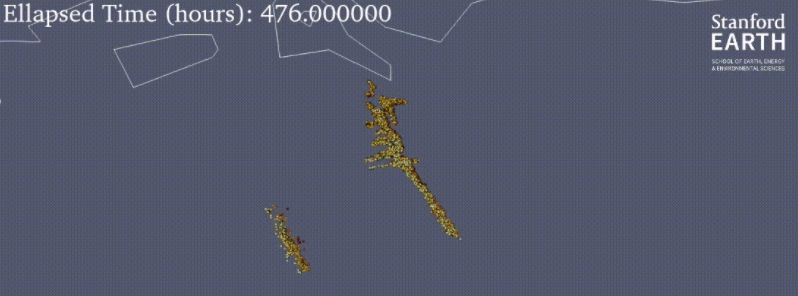
    Scientists at the Stanford School of Earth, Energy, and Environmental Sciences described a new method for using artificial intelligence to detect millions of long-hidden small earthquakes or microquakes, providing possible hints about how earthquakes evolve. Big…

  • New insights show factors that trigger earthquakes

    A new study by François Xavier Passelegue, a scientist at ENAC's Laboratory of Experimental Rock Mechanics (LEMR), has provided new insights into the origins of earthquakes, showing that the speed and intensity with which seismic waves cultivate after a…

  • San Andreas Fault earthquakes caused by deep underground forces

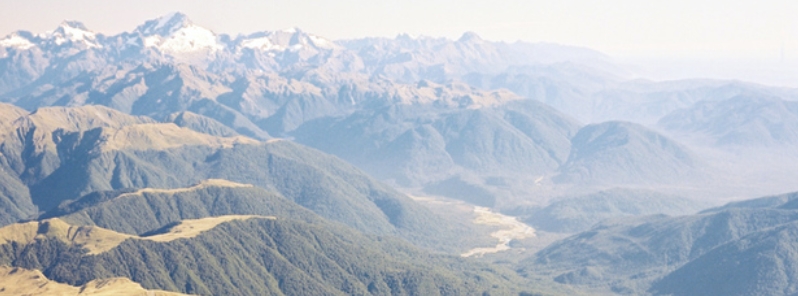
    Scientists at the University of South California (USC) have detected that the earthquakes registered alongside California’s San Andreas Fault occur much deeper than previously understood. The previous knowledge of the fault indicated that earthquakes are…