• Leak surge and pipe failures detected following earthquakes in San Ramon Valley, California

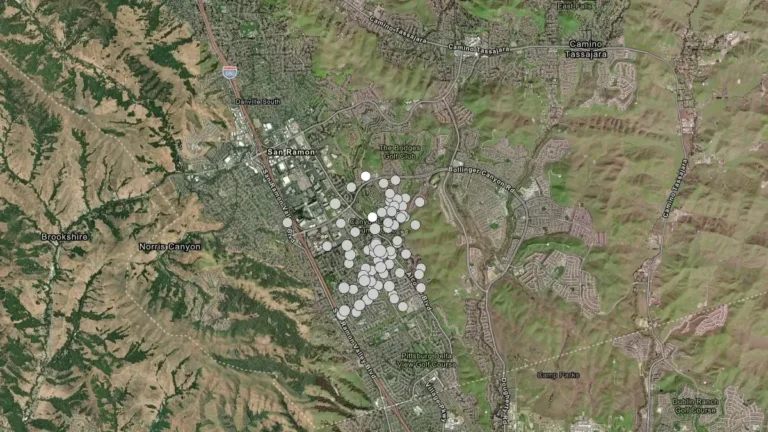
    A cluster of underground pipe failures has been detected in San Ramon and surrounding East Bay communities, California, following a sequence of earthquake swarms active in the area since 2025. The incidents include fractured water and sewer lines, often identified only after prolonged leakage periods and abnormal water usage. Experts consider ground movement associated with recent seismic activity as a possible contributing factor, although causation has not been confirmed.

  • NWS confirms brief tornado touchdown southeast of Vina, California

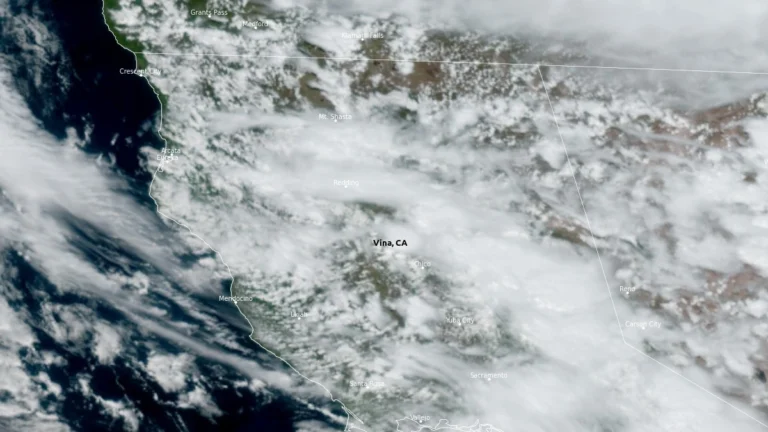
    A tornado briefly touched down in a remote grassland area of southeastern Tehama County, California, at 14:05 PDT (21:05 UTC) on April 12, 2026, about 6.4 km (4 miles) southeast of Vina. The touchdown lasted about 1 minute and caused no reported injuries or structural damage, according to NWS Sacramento.

  • Las Vegas sets new March record as historic heat spreads across the U.S. Southwest

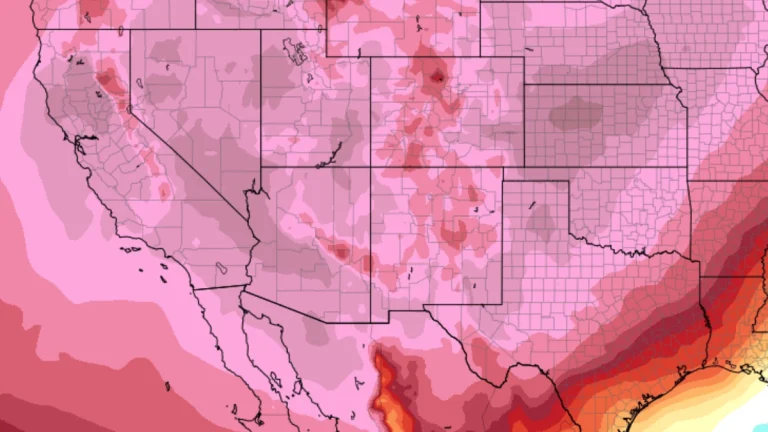
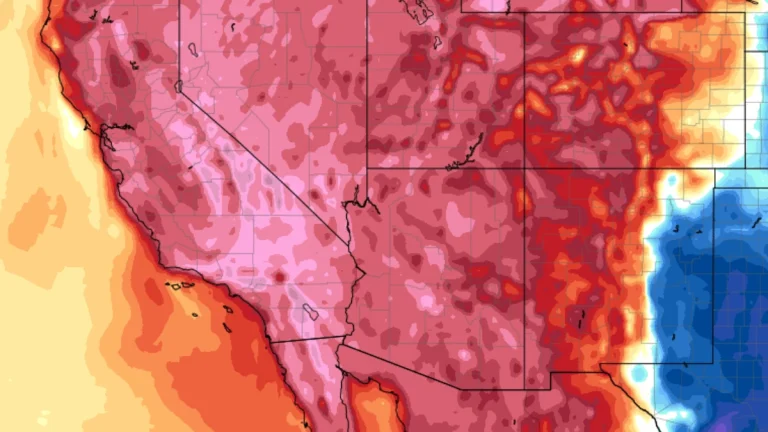
    A historic March heat event affected the U.S. Southwest on March 19 and 20, 2026, setting a new March temperature record in Las Vegas, Nevada, and a new highest March temperature ever recorded in the United States near Martinez Lake, Arizona. Multiple daily and monthly records were also broken across parts of Nevada, California, and Arizona, while authorities in Phoenix closed some hiking trails because of heat risk.

  • Early-season heatwave intensifies across western United States, Extreme Heat Warnings issued

    An anomalously early-season heatwave intensified across the western United States on March 18, 2026, with Extreme Heat Warnings in effect for parts of the Desert Southwest and temperatures forecast to expand east into the Rockies and Great Plains by March 20. Highs are expected to reach 40–44°C (104–112°F) in the hottest desert regions, with numerous daily and some monthly March records likely to be broken.

  • Extreme Heat Watches issued for California and Arizona as anomalous heat intensifies across parts of the Southwest

    Extreme Heat Watches have been issued for parts of California and Arizona as an anomalous and unusually prolonged heat event intensifies across the Southwest United States. Watches begin Monday, March 16, 2026, in parts of Southern California, then expand into parts of Arizona and southeast California later in the week, with some desert areas forecast to reach up to 43°C (109°F) and temperatures in some locations rising 11–17°C (20–30°F) above normal for mid-March.

  • Backcountry Avalanche Watch in effect for Greater Lake Tahoe area along California–Nevada border

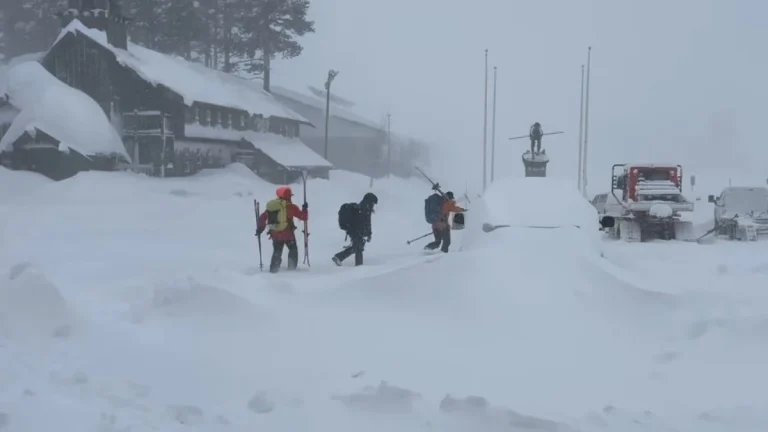
    A Backcountry Avalanche Watch is in effect for the Greater Lake Tahoe area due to high avalanche danger associated with a rain-on-snow event. The National Weather Service Reno and the Sierra Avalanche Center warn that widespread avalanche activity is possible, including large avalanches capable of burying or injuring people. Travel in avalanche terrain is not recommended during the watch period.

  • Coastal storm and long-duration atmospheric river to bring heavy precipitation to Pacific Northwest and California

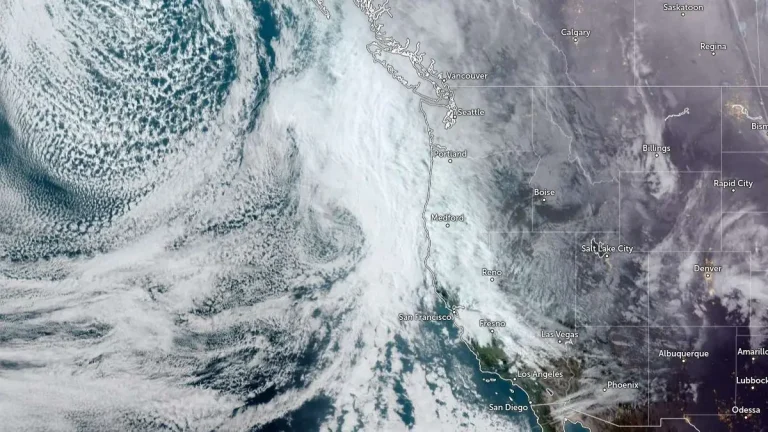
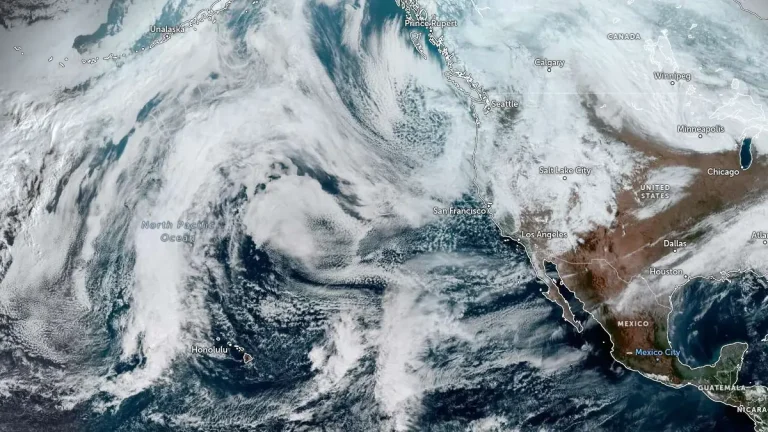
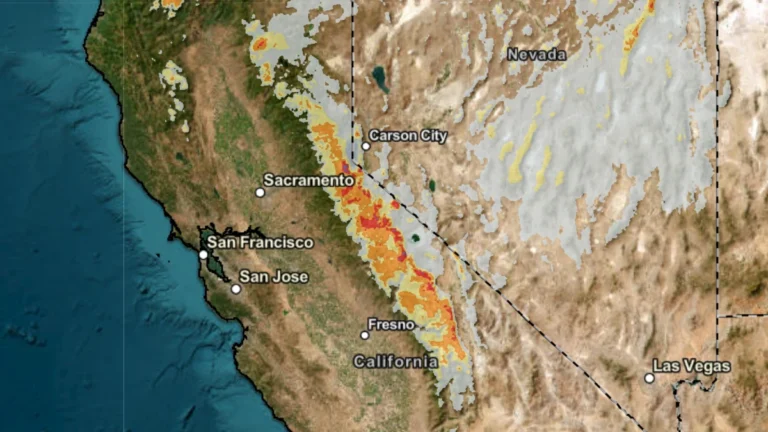
    A slow-moving low-pressure system is forecast to bring long-duration atmospheric river conditions to the U.S. West Coast between Saturday, February 21, and Wednesday, February 25, 2026, delivering heavy precipitation from Washington to California. The strongest impacts are expected across southern Oregon and northern California Coast Ranges and the Klamath Mountains, where 5-10 inches (125-250 mm) of rain is forecast.

  • Atmospheric river forecast to bring another round of heavy precipitation to California

    Atmospheric river associated with a slow-moving low-pressure system is forecast to impact California between February 21 and 26, 2026, bringing another round of heavy precipitation to the state. The Center for Western Weather and Water Extremes (CW3E) indicates very high confidence (>90%) in atmospheric river conditions along northern California through February 23, with moderate-to-high confidence of the AR conditions shifting south along the coast by February 24.