First tornado of the year touches down in Tehama County, California
The first tornado of 2025 in the U.S. was reported in Tehama County, California on Friday, January 3, 2024.

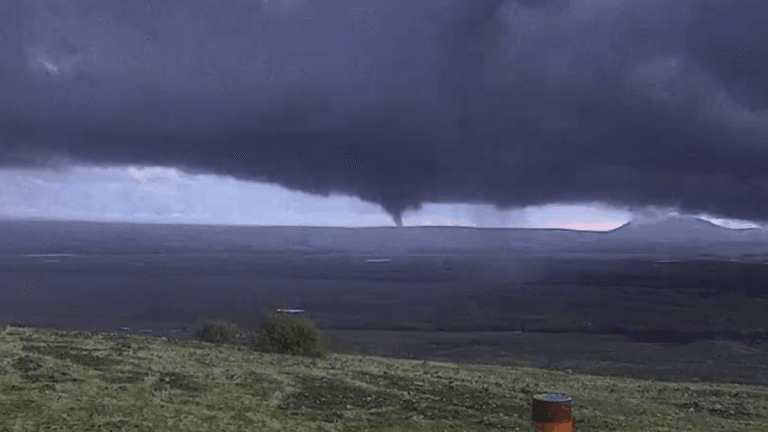
The first tornado of 2025 in the U.S. was reported in Tehama County, California on Friday, January 3, 2024.
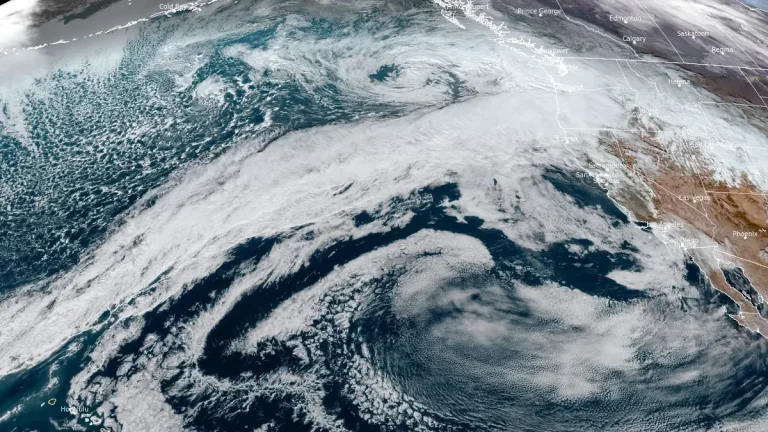
Cape Blanco stands in the crosshairs of AR3-level conditions today, as Southern Oregon and Northern California prepare for significant rain and rising flood risks.

A series of atmospheric rivers (ARs) is forecast to bring heavy precipitation, flooding risks, and winter storm impacts to the U.S. West Coast this week, with the first AR making landfall on Tuesday, December 17, 2024. The fourth and fifth ARs are forecast to make landfall on December 21 and 22. Up to 500 mm (20 inches) of rain expected in some areas and significant streamflow rises in western Washington and Oregon.
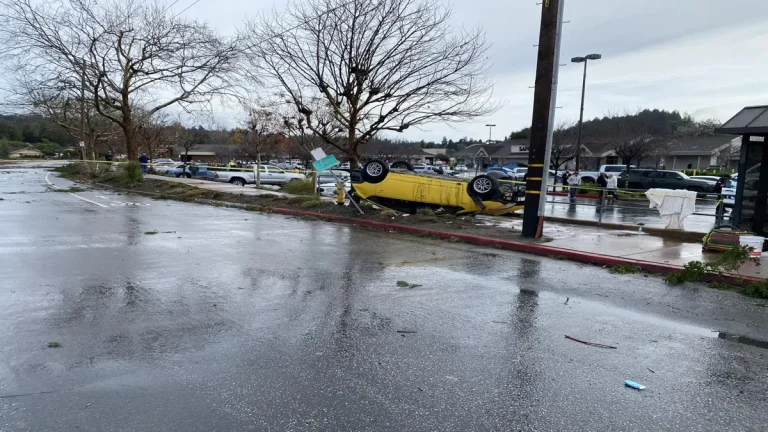
A rare tornado touched down in Santa Cruz County’s Scotts Valley, Northern California on Saturday, December 14, 2024, causing 5 injuries and significant damage, including flipped cars, downed power lines, and uprooted trees. This event was part of a larger weather system that also led to San Francisco’s first-ever Tornado Warning.
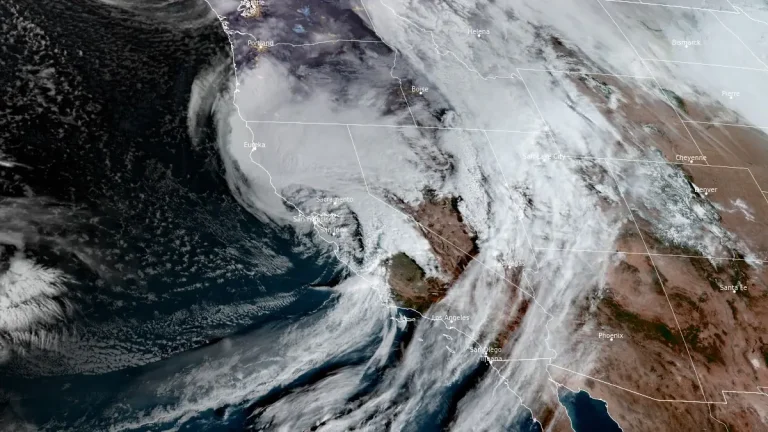
San Francisco experienced its first-ever Tornado Warning on Saturday morning, December 14, 2024, issued as a powerful storm system swept through the region with heavy rain and strong winds.

The Franklin Fire has rapidly engulfed 1 233 ha (3 049 acres) in Malibu, California since its start late Monday night, December 9, 2024, prompting mandatory evacuations for thousands and leaving firefighters battling zero containment as of Tuesday morning, December 10, 2024. The blaze is currently threatening around 18 000 citizens along with over 8 000 structures. Authorities are urging the public to stay away from the Malibu area at all costs.

A very strong and shallow earthquake registered by the USGS as M7.0 hit near the coast of Northern California at 18:44 UTC (10:44 LT) on December 5, 2024. The agency is reporting a shallow depth of 10 km (6.2 miles). A Tsunami Warning was issued for parts of California and Oregon along the U.S. West Coast.
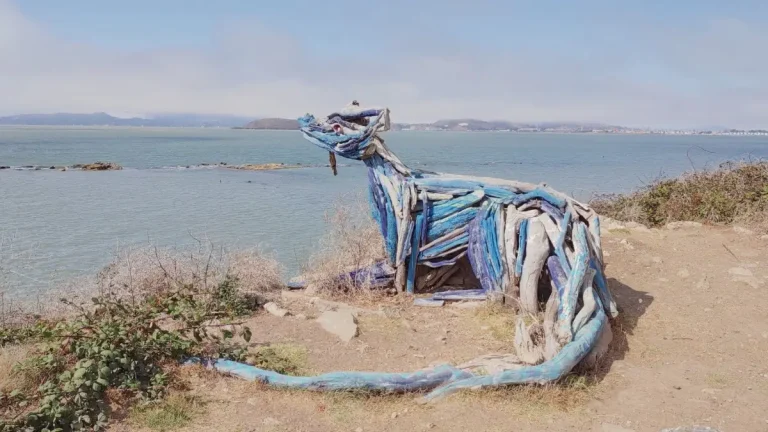
State-mandated tests at the Albany Bulb, a popular recreational area in the Bay Area, have uncovered elevated levels of gamma radiation, raising concerns about potential health risks from buried radioactive waste.
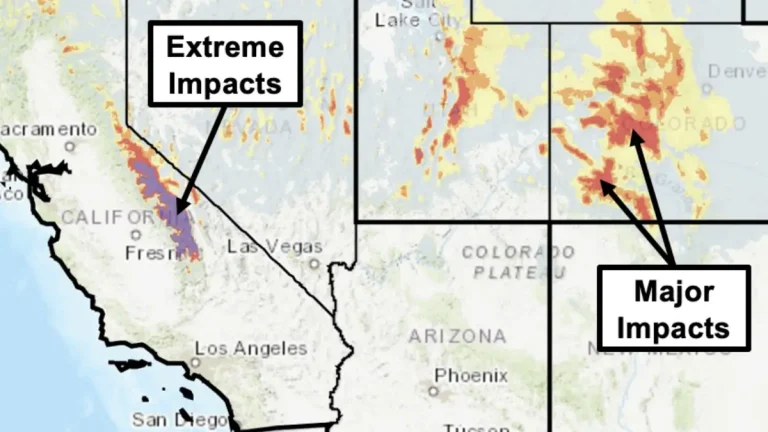
The Center for Western Weather and Water Extremes has warned of an intense winter storm impacting the Southern Sierra Nevada and parts of the Intermountain West from November 25 to 28, 2024. Forecasts indicate over 180 mm (7 inches) of precipitation and snow accumulations exceeding 1.5 m (5 feet) at higher elevations, with flash flood and winter storm warnings in effect.
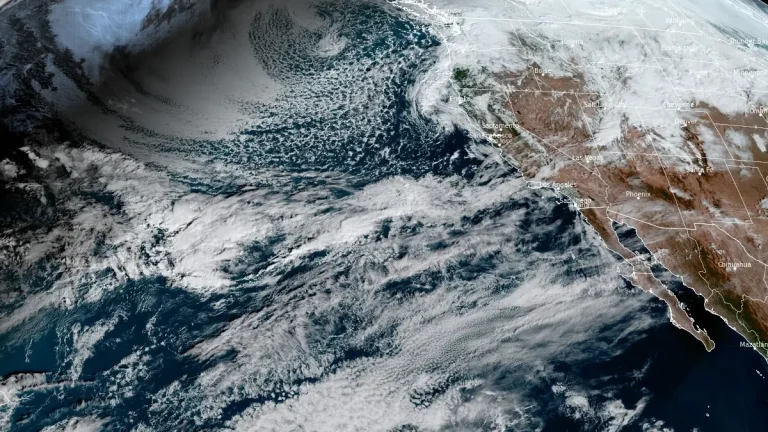
A new atmospheric river is forecast to bring heavy rain and significant snowfall to California starting Monday, November 25, 2024, with potential flash flooding and major winter storm impacts in central and southern regions, according to the Center For Western Weather and Water Extremes (CW3E).
