Rare weather event, seen only twice per year, to impact southwest Western Australia
Severe Weather Warning issued for Western Australia ahead of strong cold front on Wednesday

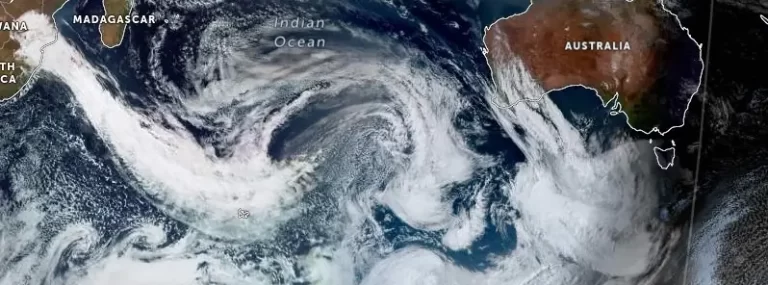
Severe Weather Warning issued for Western Australia ahead of strong cold front on Wednesday
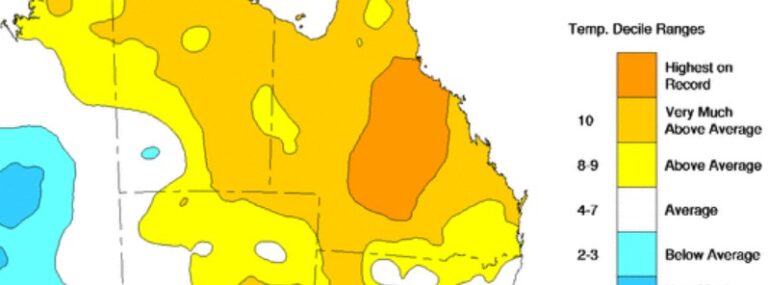
The Australian state of Queensland witnessed its warmest June on record this year, followed by unprecedented rainfall in early July, breaking long-standing monthly records within just a few days.
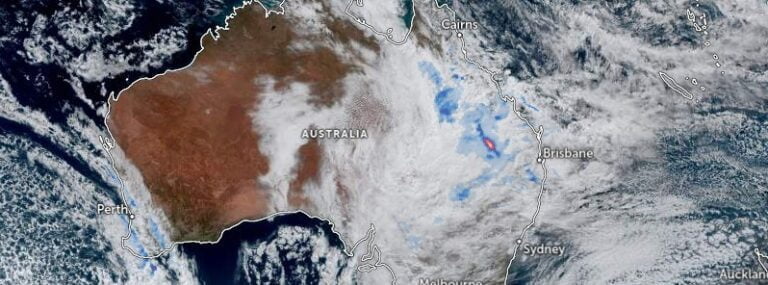
Outback Queensland was pounded by record-breaking rainfall, with some regions receiving up to 15 times their average monthly rainfall in just a few days. The unseasonal weather, brought about by a northwest cloud band since Friday, June 30, 2023, was accompanied by a cold blast that drastically reduced temperatures.
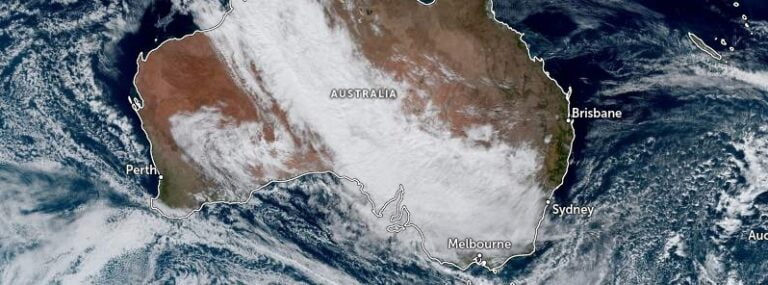
On June 27, 2023, parts of South Australia’s outback experienced their coldest June day on record, as an unusually thick northwest cloudband brought heavy rain and low temperatures across the state.
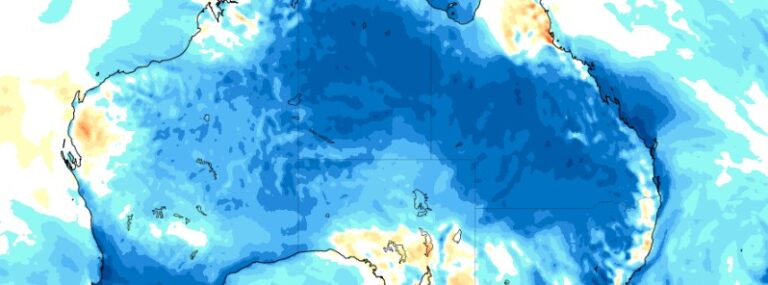
May 2023 saw an unseasonably cold spell across Australia with over 100 weather stations registering record-breaking minimum temperatures for the month, contradicting the Bureau of Meteorology’s predictions for a warmer and drier May.
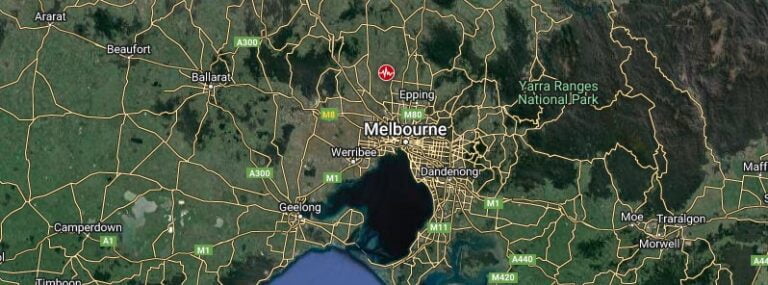
A shallow earthquake registered by Geoscience Australia as M3.8 hit Melbourne, Australia at 13:41 UTC on May 28, 2023, at a depth of just 2 km (1.2 miles). USGS is reporting M3.6 at a depth of 9.5 km (5.9 miles); EMSC M3.6 at a depth of 5 km (3.1 miles).

A very bright fireball exploded over northern Queensland, Australia at around 11:24 UTC (21:24 LT) on May 20, 2023, producing a loud sonic boom.

A very bright fireball was seen streaking across the night sky over Western Australia at 21:03 UTC on May 1, 2023 (05:03 LT on May 2). The event lasted about 15 seconds.
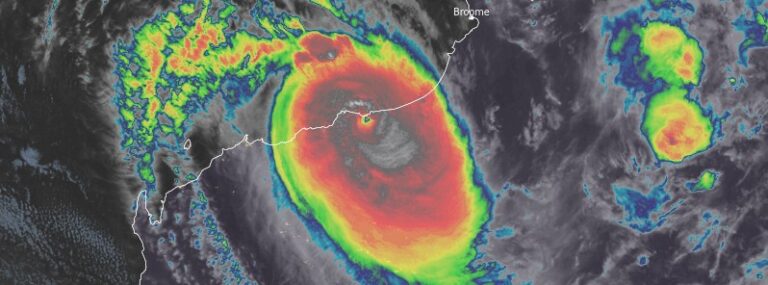
Tropical Cyclone “Ilsa” made landfall as a Category 5 system near Port Hedland, Western Australia around 16:00 UTC on April 13, 2023 (00:00LT on April 14), as the strongest cyclone to hit the region in 14 years.
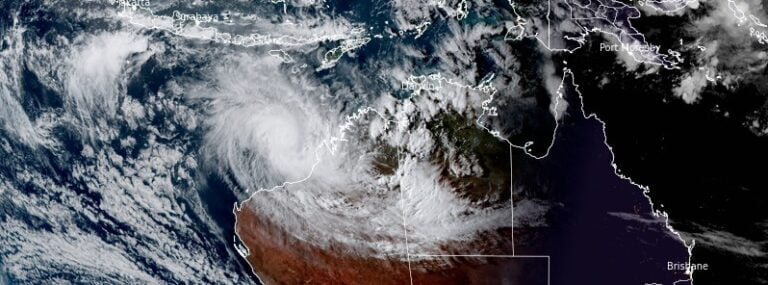
Tropical Storm “Ilsa” formed on Tuesday, April 11, 2023, near the coast of Western Australia as the 7th named storm of the 2022/23 Australian region cyclone season. Landfall is expected east of Port Hedland late Thursday or early Friday (LT), as a Category 4 cyclone on the Australian cyclone scale.
