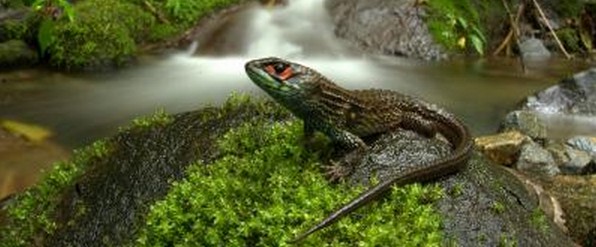
• Peru's Manu National Park sets new biodiversity record

    Park and buffer zone host 287 species of reptiles and amphibians, the highest number anywhere.

    Peru's treasured Manu National Park is the world's top biodiversity hotspot for reptiles and amphibians, according to a new survey published last week by


  • Key species of algae shows effects of climate change over time

    Historical comparison of competition among algae in waters around the Pacific Northwest provides more evidence for increased ocean acidification.

    A study of marine life in the temperate coastal waters of the northeast Pacific Ocean shows a reversal of competitive

  • West African lion on the verge of extinction

    A new study published in PLOS One journal last week warns that a dramatic decline of West African lions has placed them on the verge of extinction. Study authors call for urgent intervention to save them.

    The lion (Panthera leo) was the most

  • Seed diversity has collapsed more than 12-fold since early 1900s

    From the looks of an average produce section in a typical American supermarket, it might seem like modern society has access to basically every major type of fruit, vegetable and herb one could want. But a survey conducted by the U.S. National Seed Storage Laboratory

  • Military sonars change feeding behavior in whales

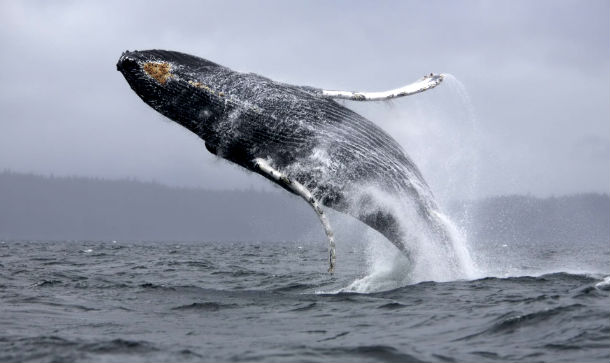
    New studies show that military sonar can change the behavior of whales, causing them to avoid their usual feeding spots. Whales and other marine mammals rely on their hearing for orientation and communication. Manmade sound waves can drown out the noises

  • The story of honeybees and their importance in sustaining life

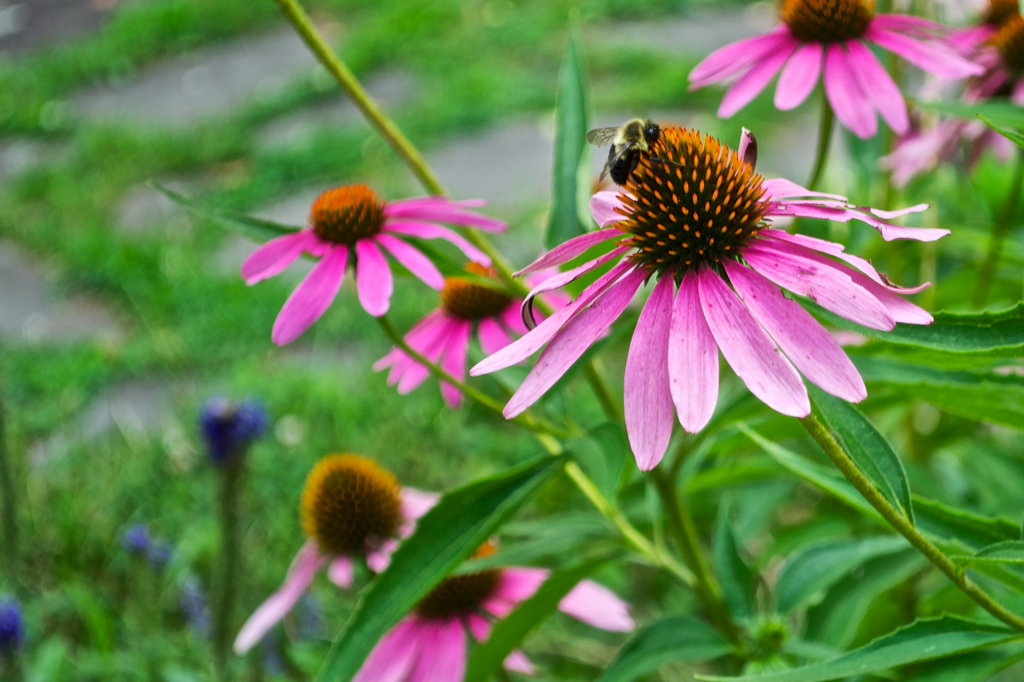
    They are an amazing and highly beneficial insect species that quite literally underpins the sustenance of life as we know it on planet earth. But honeybees are increasingly threatened by an onslaught of harmful influences, not the least of which includes the

  • Bernie Krause: The voice of the natural world

    Bernie Krause continues to make history by capturing the fading voices of nature: studying sonic interplay between species as they attract mates, hunt prey, and sound out their roles in the ecosystem.

    Krause’s recordings are not merely travelogues or

  • The great North American locust plague

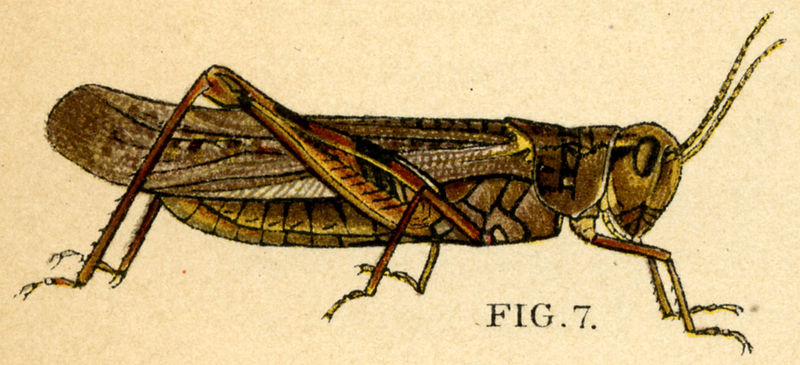
    Locusts are grasshoppers with some rather unique abilities. Overcrowding triggers their instinct to literally transform themselves.They change their color from green to brown, get more muscular, eat more, mate more and congregate in crowds.

    After their

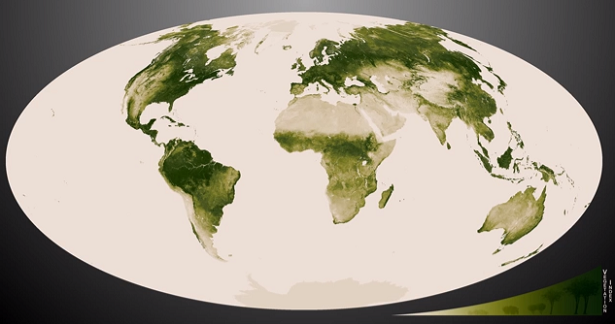
  • Green: Vegetation on planet Earth

    Although 75% of the planet is a relatively unchanging ocean of blue, the remaining 25% of Earth's surface is a dynamic green. NASA/NOAA Suomi NPP satellite is able to detect these subtle differences in greenness. Those resources highlight our ever-changing