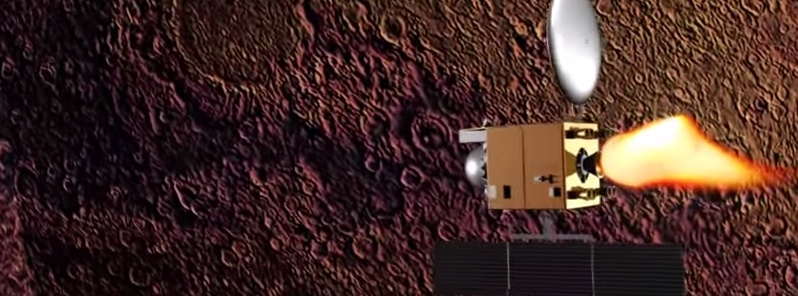
• India’s first Mars satellite ‘Mangalyaan’ enters orbit

    India's first interplanetary mission to planet Mars, Mars Orbiter Mission, arrived in the Martian orbit on September 24, 2014 making India the first nation to enter the Mars's orbit in it’s first attempt and the first Asian nation to reach the Red planet.I

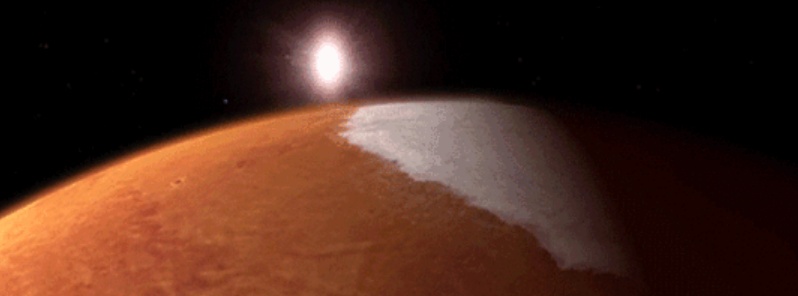
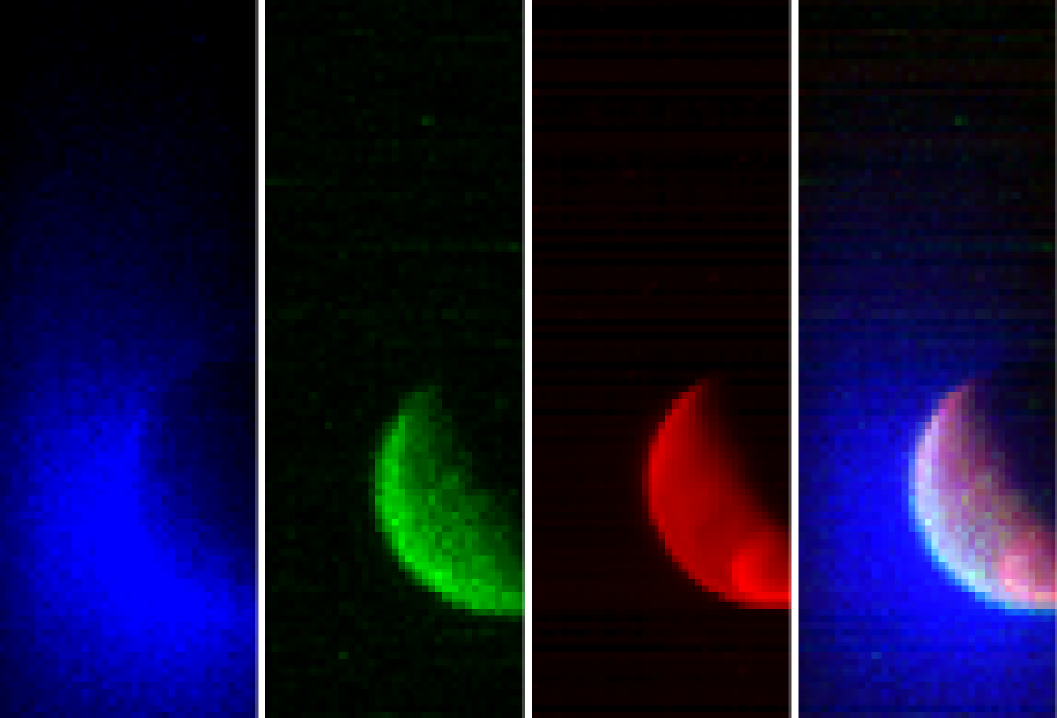
  • MAVEN arrives to Mars one month before Comet Siding Spring

    At 02:24 UTC today NASA's MAVEN spacecraft reached planet Mars and entered its orbit. MAVEN (Mars Atmosphere and Volatile Evolution) is the first spacecraft dedicated to exploring the tenuous upper atmosphere of Mars. It is expected to begin its primary mission in a

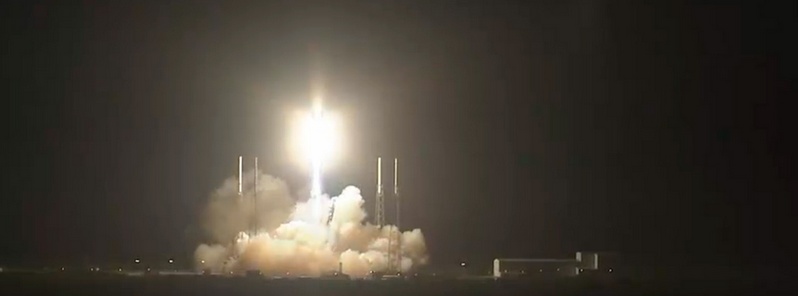
  • SpaceX to deliver RapidScat wind watcher and first 3-D printer to ISS

    A new NASA mission designed to boost global monitoring of ocean winds, improve weather forecasting and climate studies is now on its way to the International Space Station aboard SpaceX's Dragon spacecraft. The cargo ship launched on the Falcon 9 rocket from Space L

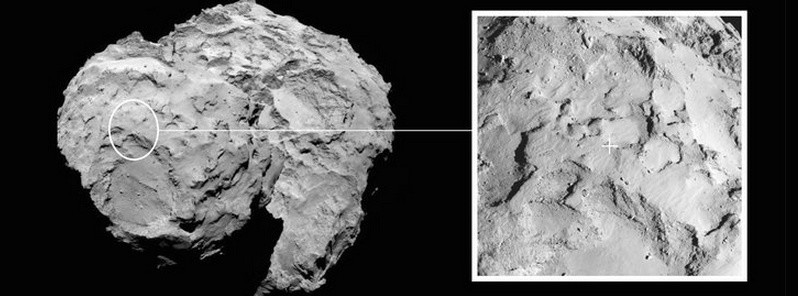
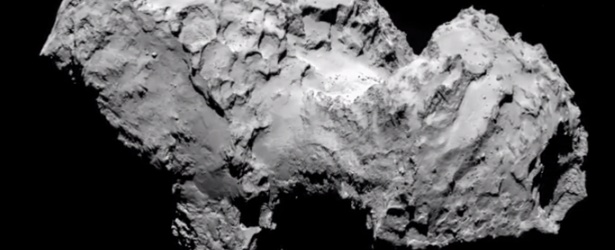
  • Rosetta mission findings: no room for dirty snowballs

    The European Space Agency's Rosetta mission to the Comet 67P is attracting worldwide attention to comet science. While months remain until the team attempts to land a probe on the comet's surface, astonishing revelations are already confronting scientists on Ear

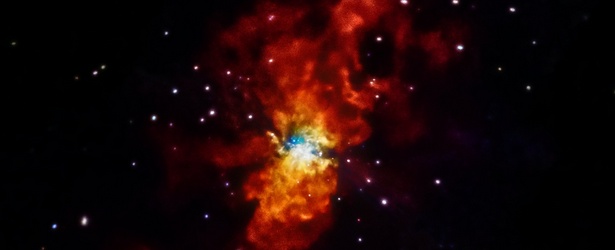
  • Insight into one of the closest supernovas discovered in decades

    On January 21, 2014, astronomers around the world witnessed a supernova soon after it exploded in the Messier 82, or M82, galaxy. It is one of the closest supernovas discovered in decades. Telescopes across the globe and in space turned their at

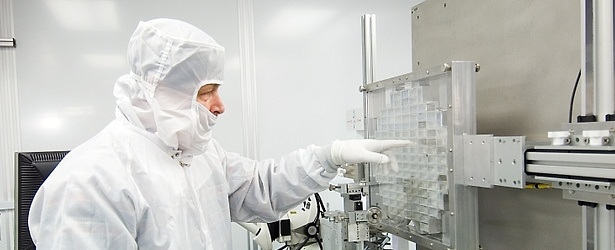
  • Stardust’s payload holds first potential interstellar space particles

    A team of scientists has been combing through the payload of NASA's Stardust spacecraft since it returned to Earth in 2006. They found seven rare, microscopic interstellar dust particles, that most likely came from outside of our solar system. If

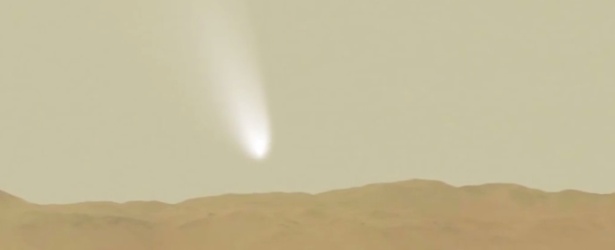
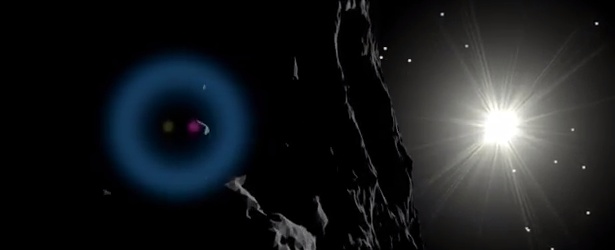
  • Colliding atmospheres – Mars vs Comet Siding Spring

    It's a known fact that planets have atmospheres, but the same can't be said for comets. The atmosphere of a comet, called its "coma," is made of gas and dust that spew out of the sun-warmed nucleus and it's typically wider than Jupiter.La

  • Comet 67P too hot to be covered in ice

    ESA’s comet chaser Rosetta has made its first temperature measurements of its target comet, 67P/Churyumov–Gerasimenko, and found that it is too hot to be covered in ice and must instead have a dark, dusty crust.The observations of the comet we