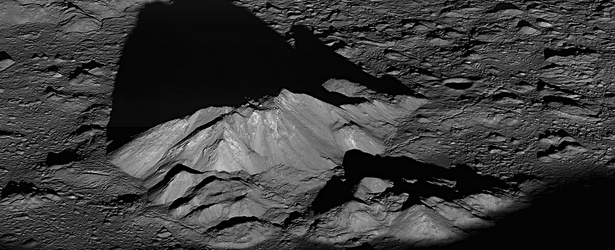
• Lunar Reconnaissance Orbiter’s view of Tycho Central Peak

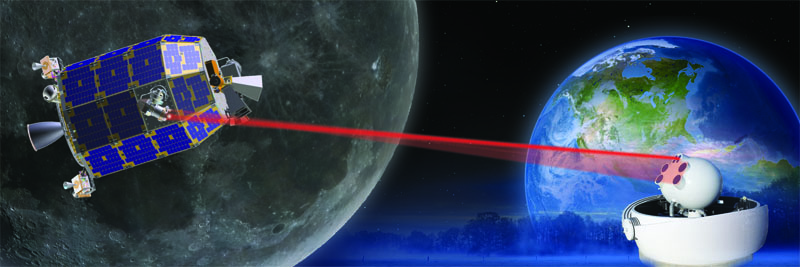
    Today, the Lunar Reconnaissance Orbiter (LRO) celebrates its fifth anniversary in space. LRO launched from Florida on June 18, 2009 and after a four-day journey, it successfully entered lunar orbit on June 23. In the succeeding five years, LRO has continued to shap

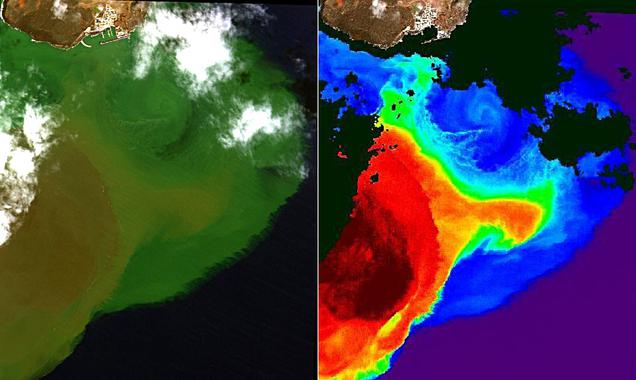
  • El Hierro volcano helps to improve algorithms used by satellites

    Information provided by satellites on the amount of chlorophyll-A and the roughness of the sea following the eruption of the underwater volcano off the island of El Hierro (Spain) did not coincide with the actual data collected in situ by vessels carrying

  • Comet 67P/Churyumov–Gerasimenko develops coma

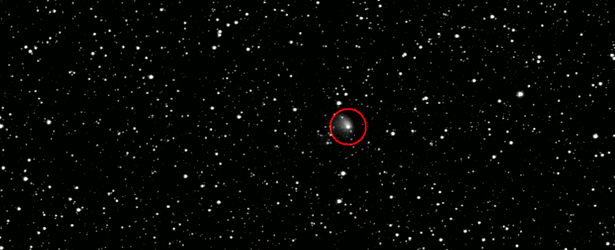
    As comet-chaser Rosetta approached its target to roughly 2 million km in early May, images captured by OSIRIS clearly showed that the comet has already developed 1 300 km long coma. This onset of activity offers scientists the opportun

  • First image of an asteroid taken from the surface of Mars

    The Mast Camera (Mastcam) on NASA's Curiosity Mars rover has captured the first image of an asteroid taken from the surface of Mars. The night-sky image actually includes two asteroids: Ceres and Vesta, plus one of Mars' two moons, Deimos, which may have been an

  • Cassini images may reveal the birth of new Saturn moon

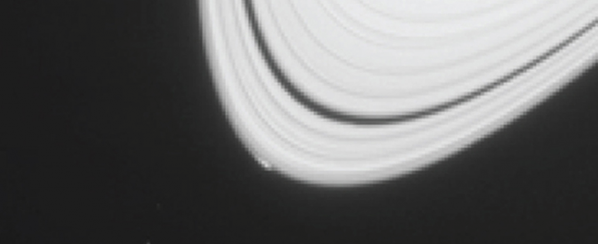
    NASA's Cassini spacecraft has documented the formation of a small icy object within the rings of Saturn that may be a new moon, and may also provide clues to the formation of the planet's known moons.Images taken with Cassini's narrow angle camera on Apr

  • Europe lofts first Copernicus environmental satellite

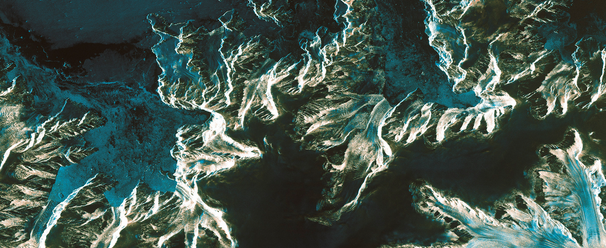
    European Space Agency (ESA) launched Sentinel-1A satellite on April 3rd which opens a new page in the implementation of Copernicus, the second EU flagship space initiative, after the Galileo positioning system. The ability of European citizens,