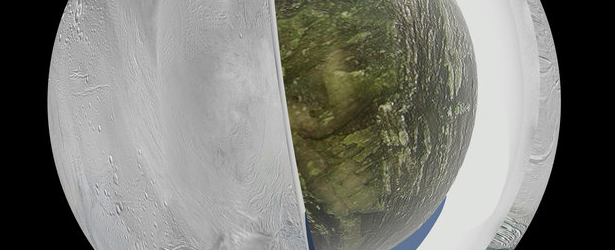
• Cassini reports sub-surface ocean on Enceladus

    Enceladus—one of Saturn's smaller satellites—has joined the ranks of Titan and Europa as a moon that appears to have liquid water splashing around inside of it, researchers say. New gravity data from the Cassini spacecraft, which has been exploring the

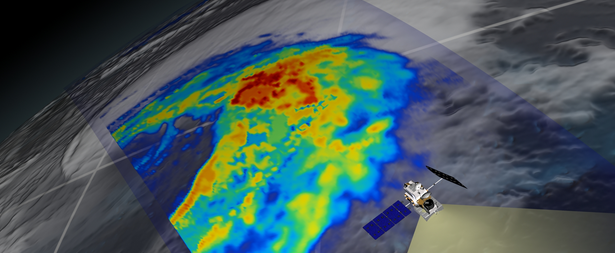
  • First images available from NASA-JAXA Global Rain and Snowfall Satellite

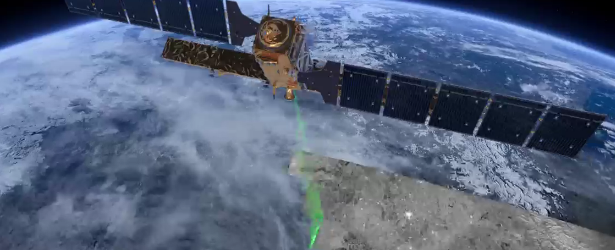
    NASA and the Japan Aerospace Exploration Agency (JAXA) have released the first images captured by their newest Earth-observing satellite, the Global Precipitation Measurement (GPM) Core Observatory, which launched into space February 27.

    The images show

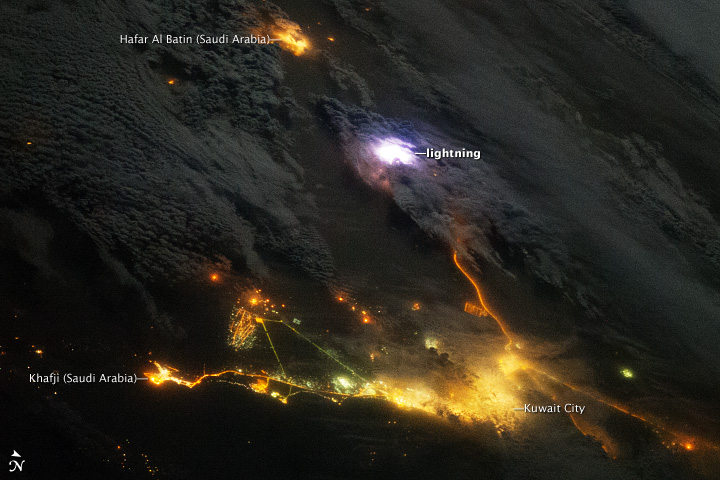
  • Sensing lightning from ISS

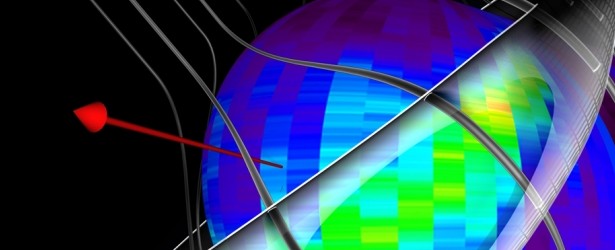
    Across the atmosphere of Earth, lightning flashes about 50 times per second. That’s 4.3 million times a day and roughly 1.5 billion times a year. Using a new instrument on the International Space Station (ISS), scientists are trying to observe and dissect at

  • New era of global weather observing and climate science

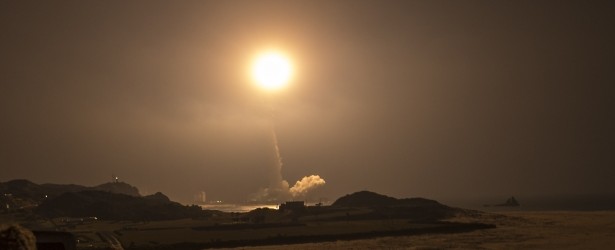
    International, next-generation, unifying satellite observatory for global snow and rain measurements – Global Precipitation Measurement (GPM) Core Observatory – was successfully launched yesterday from Tanegashima Space Center in Japan marking the beginning of a

  • Cassini gets a 360-degree view of Saturn's auroras

    While Hubble Space Telescope, orbiting around Earth, was able to observe the Saturn's northern auroras in ultraviolet wavelengths, Cassini spacecraft, orbiting around Saturn, got complementary close-up views in infrared, visible-light and ultraviolet

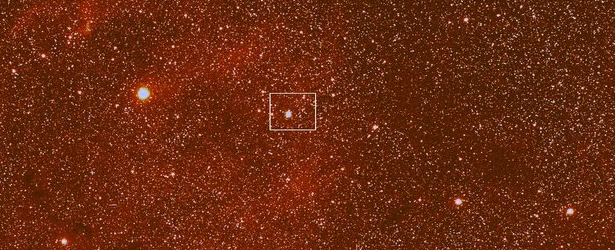
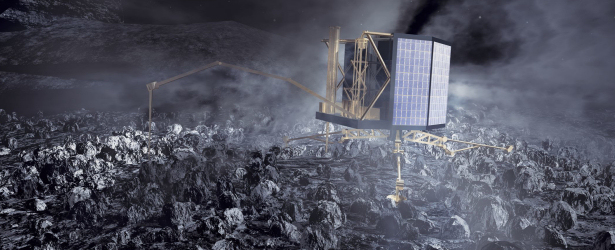
  • Rosetta wakes up from deep space hibernation

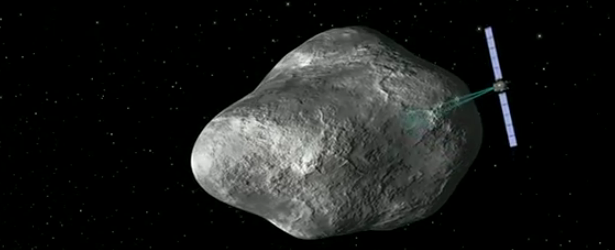
    After 31 months of deep space hibernation ESA's comet chaser "Rosetta" has woken up and contacted mission control today. The signal was received by NASA’s Goldstone ground station in California at 18:18 UTC, during the first window of oppor