• Roscosmos reports air leak on International Space Station

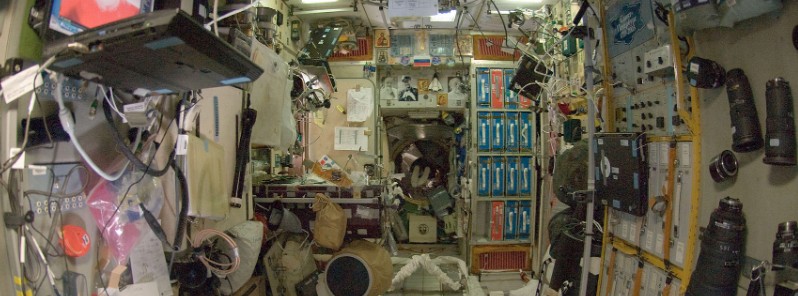
    A 'more than standard' air leak was found in the working compartment of the Zvezda Service Module on the International Space Station (ISS), Russian Roscosmos State Corporation for Space Activities reported on Tuesday, September 29, 2020. "After a…
  • Study identifies second alignment plane of solar system

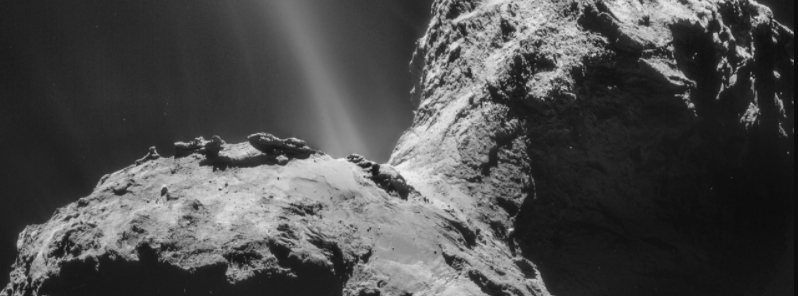
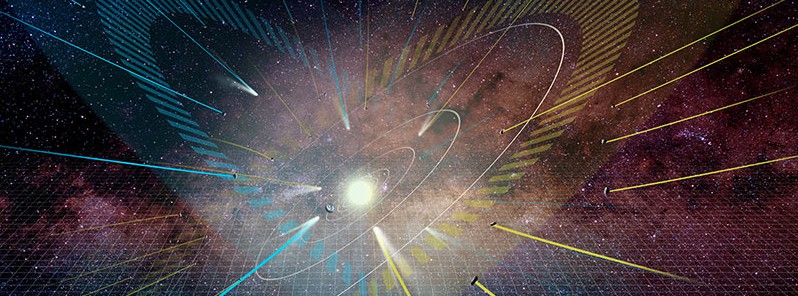
    According to a new study published in The Astronomical Journal, comet motions indicate that the solar system has a second alignment plane. The discovery has significant implications for models of how comets originally formed in the solar system. The study, led by…

  • Asteroid 2020 SW to flyby Earth at just 0.07 LD

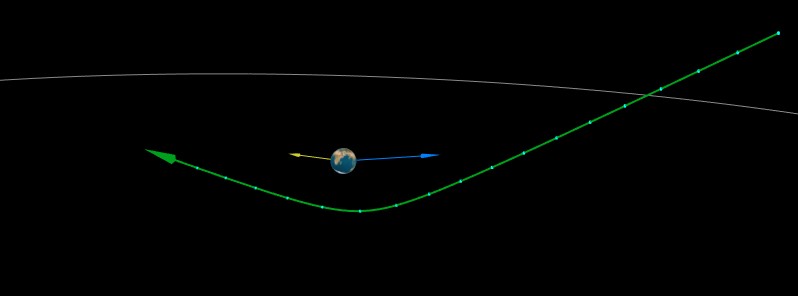
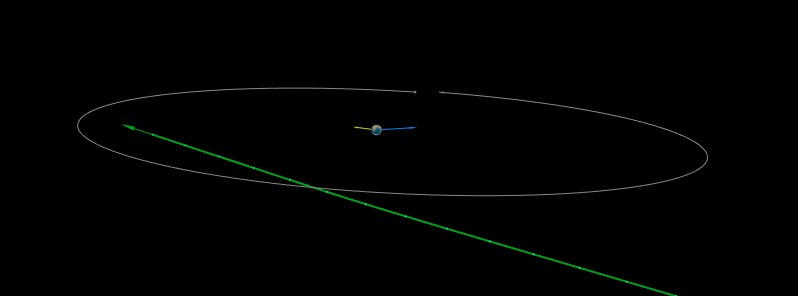
    A newly-discovered asteroid designated 2020 SW is expected to flyby Earth at just 0.07 LD / 0.00019 AU (28 423 km / 17 661 miles) at 11:18 UTC (± 06:18) on September 24, 2020. This is the 66th known asteroid to flyby Earth within 1 lunar distance since the…

  • Asteroid 2020 RF3 to flyby Earth at 0.24 LD

    A newly-discovered asteroid designated 2020 RF3 will flyby Earth at 0.24 LD / 0.00063 AU (94 246 km / 58 526 miles) at 06:49 UTC on September 14, 2020. This is the 61st known asteroid to flyby Earth within 1 lunar distance since the start of the year and the second…

  • Bright fireball streaks across the sky over Canberra, Australia

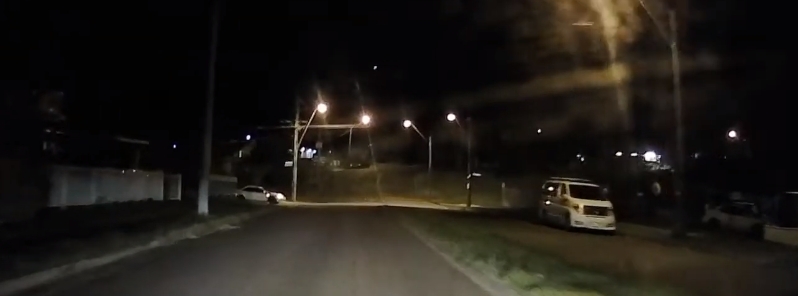
    A bright fireball put on a fantastic display across the skies over Canberra, Australia, on Wednesday, September 2, 2020. A number of residents said the green object flew over the city around 08:45 UTC (18:45 LT). According to ANU astrophysicist Dr. Brad Tucker, the…

  • Asteroid 2011 ES4 to flyby Earth at 0.32 LD

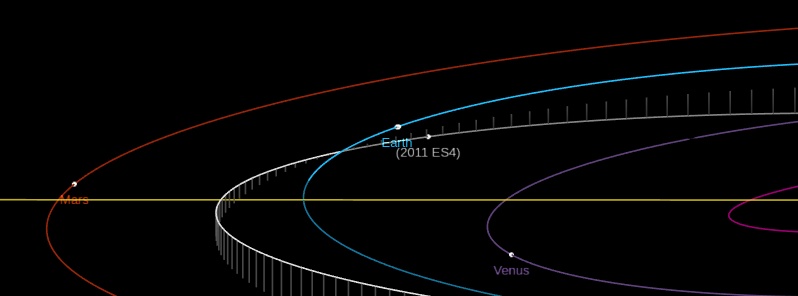
    An asteroid designated 2011 ES4 will make a close approach to Earth at just 0.32 LD / 0.00048 AU (71 806 km / 44 618 miles) at 16:12 UTC on September 1, 2020. This is the 60th known asteroid to flyby Earth within 1 lunar distance since the start of the year. This…

  • Eruptive origins of pyroclastic deposits on the Moon

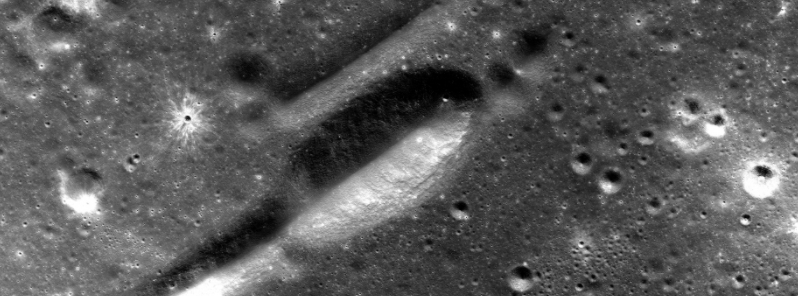
    A new study by researchers from Arizona State University (ASU) suggests that the early Moon may have been more volatile-rich than previously believed. Previous studies concluded that lunar volcanoes had exploded primarily cold bedrock, but the ASU team said there…