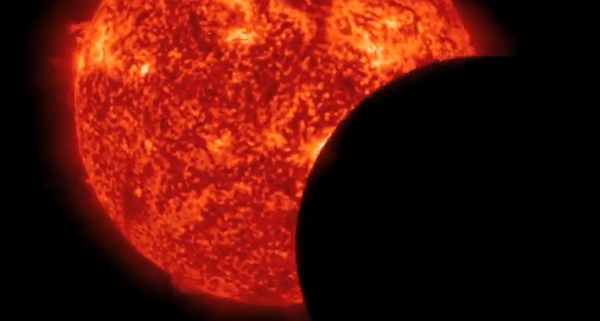
• SDO’s Earth eclipse and the lunar transit (March 11, 2013)

    On March 2, 2013, NASA’s Solar Dynamics Observatory (SDO) entered its semiannual eclipse season, a period of three weeks when Earth blocks its view of the Sun for a period of time each day. On March 11, 2013 SDO experienced two different eclipses – The Earth and the

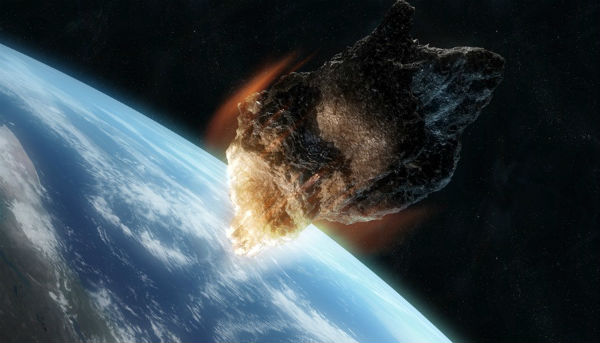
  • SciShow: 3 Ways to save Earth from an asteroid

    Hank from SciShow gives us the skinny on three plans NASA scientists have come up with to save Earth from an asteroid impact. NEO/JPLIMPACTSource: SciShowFeatured image: Artist rendering asteroid (Credit:

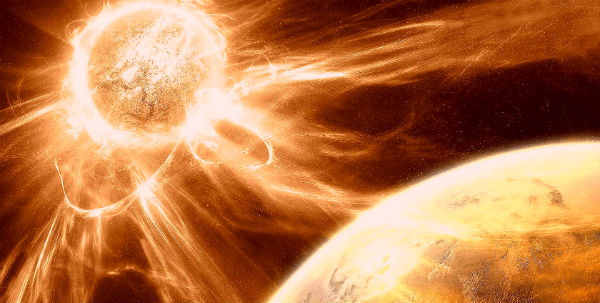
  • Researchers discovered source of solar wind energy

    Researchers have found signs of an energy source in the solar wind, a hot and fast flow of magnetized gas that streams away from the sun’s upper atmosphere. Solar wind is made of hydrogen and helium ions with a sprinkling of heavier elements. Solar wind is

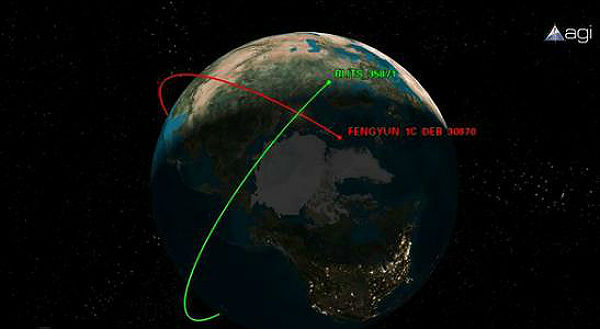
  • Chinese space debris collides with Russian satellite BLITS

    On February 4, 2013 Dr. Vasiliy Yurasov and Dr. Andrey Nazarenko, working with the Institute for Precision Instrument Engineering (IPIE) in Moscow, reported to CSSI a significant change in the orbit for their BLITS satellite. IPIE had detected a

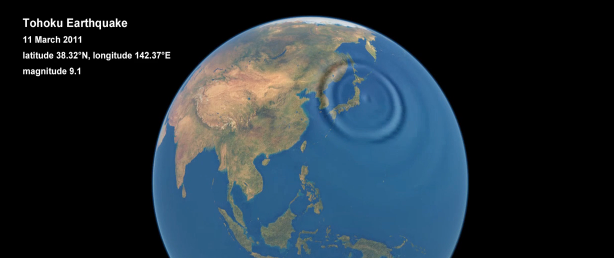
  • GOCE now known as world’s first “seismometer in space”

    New studies have shown that Japan’s “Tohoku earthquake” (March 11, 2011) was also felt and measured high above the Earth’s surface by ESA’s GOCE gravity satellite. This hyper-sensitive instrument is now known as the world’s first “seismometer in space” but it is more

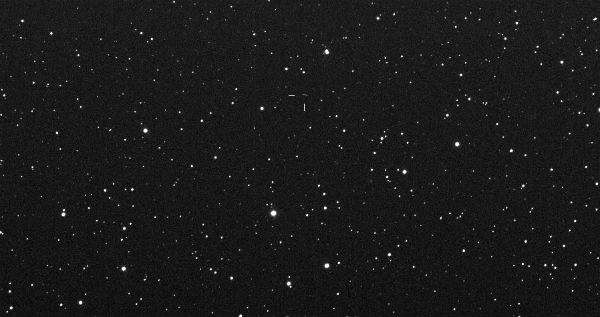
  • Asteroid 2013 ET to make close approach on March 9, 2013

    A newly discovered Asteroid 2013 ET is making a close flyby, just days after another space rock made an even closer approach to our planet. The Catalina Sky Survey discovered Asteroid 2013 ET on March 3, 2013. and estimated its size at around 100 meters (64 meters…

  • Hunting near Earth objects – Canada launches NEO hunter

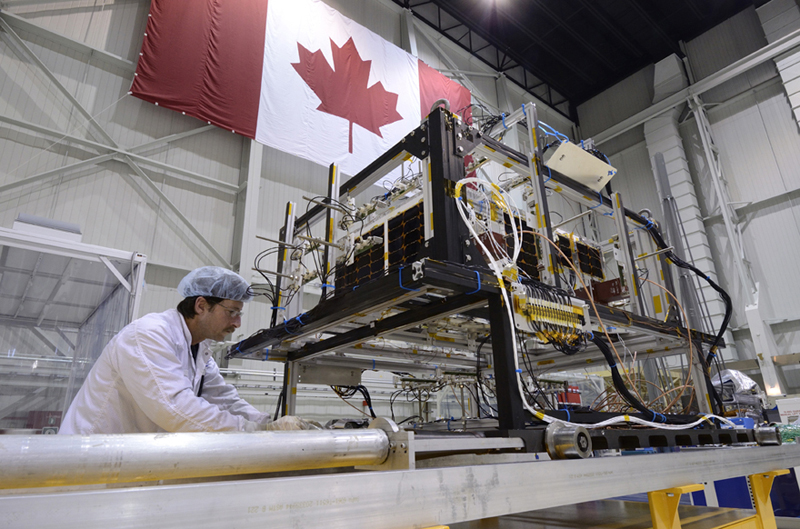
    Canada launched world’s first space telescope specifically designed to spot potentially hazardous asteroid and satellites. NEOSSat space satellite – Near Earth Object Surveillance Satellite – was launched on Monday, February 25, 2013 atop an Indian rocket. It now

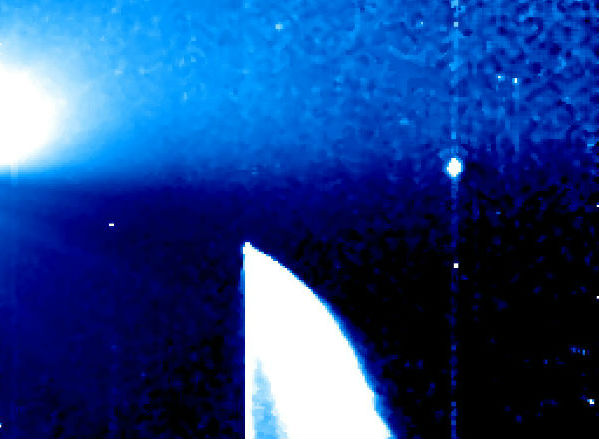
  • Comet Pan-STARRS (C/2011 L4) now visible with naked eye

    Comet Pan-STARRS has been brightening steadily for the past few months. By now Comet Pan-STARRS (C/2011 L4) became a naked-eye object while it makes its closest approach to the Sun, inside the orbit of Mercury. It is now closer to the Sun than Venus. At

  • Stunning views of Venus through Saturn’s rings

    The international Cassini spacecraft took amazing images of Venus shining through Saturn’s rings. Venus and Saturn are about 1,321,200,000 km (820,955,619 miles or 8.83 astronomical units) apart on average. Venus is brighter in Saturn’s skies than Earth is,