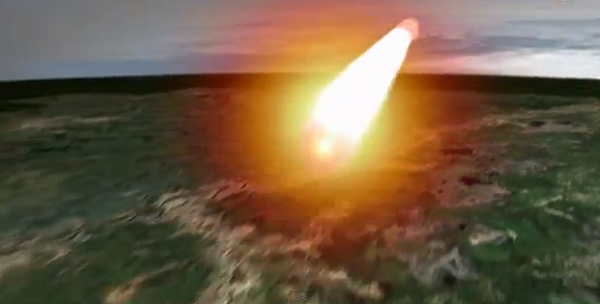
• Chelyabinsk event – 20m wide asteroid explodes above Russia, damaging 3 000 buildings and injuring over 1 500 people

    A very bright flash was seen in the Chelyabinsk, Tyumen and Sverdlovsk regions, Russia’s Republic of Bashkiria, as well as in northern Kazakhstan, early morning local time on February 15, 2013. The flash was accompanied by a very loud explosion. Officials mention meteor shower and say that it began after a large meteorite disintegrated above the Urals mountain range and partially burned up in the lower atmosphere – resulting in fragments falling earthwards throughout the Chelyabinsk region.

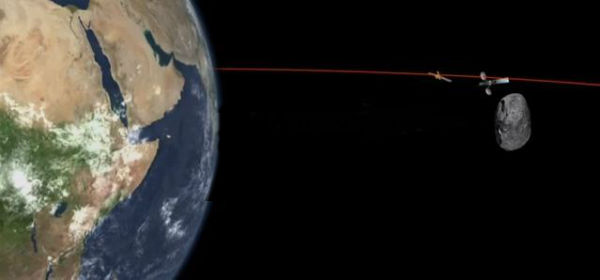
  • Asteroid 2012 DA14: Orbital approach and motion simulation

    The following video shows asteroid 2012 DA14 simulated apparent motion, as visible from the Virtual telescope observing site, in Central Italy. Time is running 50x faster than reality. The field of view is of about 13×10 degress. It covers a time span from 18:30 …

  • Fermi proves supernova remnants produce cosmic rays

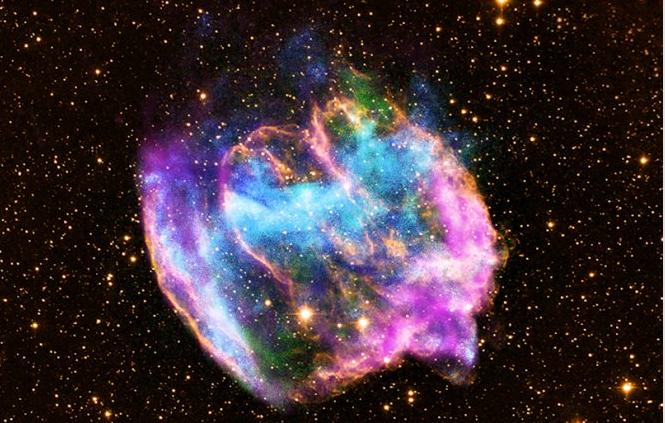
    A new study using observations from NASA’s Fermi Gamma-ray Space Telescope reveals the first clear-cut evidence that the expanding debris of exploded stars produces some of the fastest-moving matter in the universe. This discovery is a major step toward meeting one of

  • Watch asteroid 2012 DA14 flyby live

    Asteroid 2012 DA14 was discovered at the La Sagra Sky Survey, Spain on February 23, 2012, when it was about 2.7 million miles (4.3 million kilometers) away. Its flyby is the closest ever predicted Earth approach for an object this large (first estimates 45 m) which…

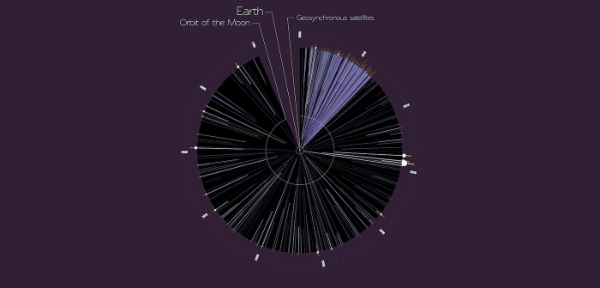
  • The Flyby Clock: Visualizing a century of asteroid encounters

    Due to the interest sparked by the upcoming flyby of 2012 DA14, Alex Parker of Minor Planet Center thought it would be helpful to place its flyby in a historic perspective. He put together a visualization of all the flybys of known asteroids in the 21st century in…

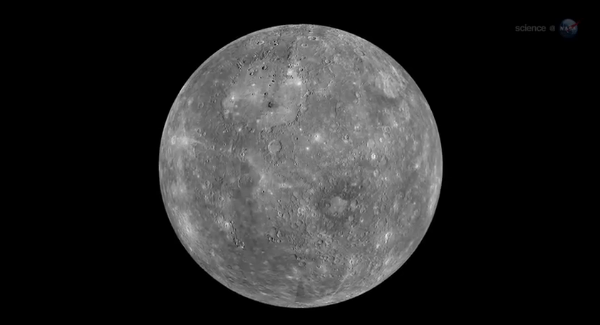
  • Mercury seen at sunset

    The planet Mercury is about to make its best apparition of the year for backyard sky watchers. Look west at sunset for a piercing pink planet surrounded by twilight blue.Source: NASA Science

  • Spitzer space telescope observations reveal unusual infant binary star

    NASA’s Spitzer space telescope observed a rare phenomenon – an infant binary star behind a dense disk and envelope of dust 950 light-years away from Earth flashes at regular intervals. NASA report published on February 7, 2013 says such phenomenon has been observed