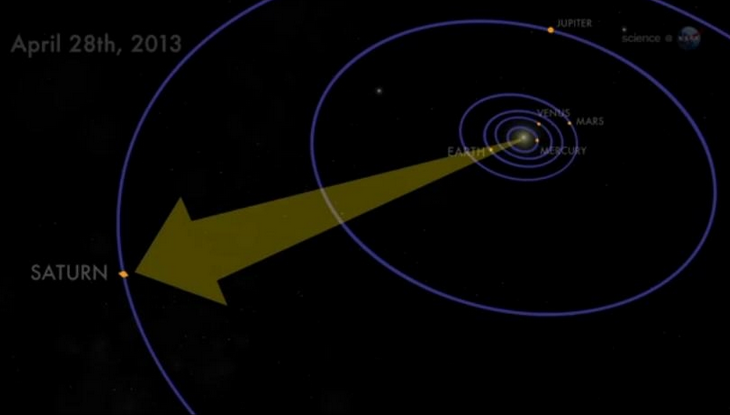
• Saturn and Earth line up for an amazing view of the golden planet

    If you have any interest in astronomy you have probably seen dozens if not hundreds of breathtaking images of the universe and our Solar System. Those images are usually acquired by some of Earth’s best spacecrafts, like Hubble, Cassini, Messenger and others who beam

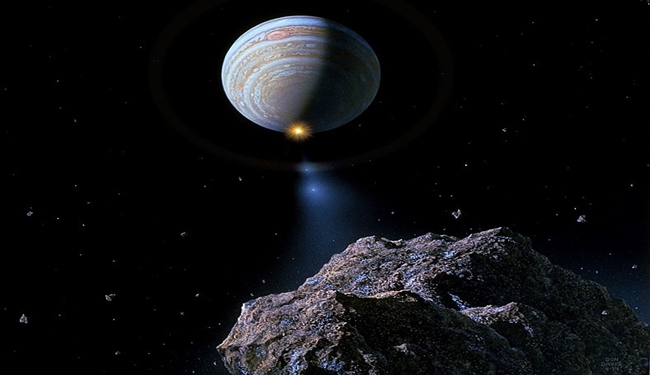
  • Water in Jupiter’s atmosphere came from 1994 comet impact

    Observations by ESA's Herschel space observatory have revealed origin of water's mysterious presence in Jupiter's atmosphere. Using sensitive spectral imaging, researchers were able to confirm that water came from historic comet impact in July

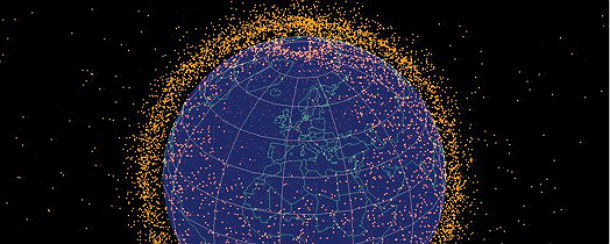
  • The growing threat of space debris

    There is a continuing increase in space debris that poses a growing threat to economically vital orbital regions. Many experts like satellite operators around the world, including those flying telecom, weather, navigation, broadcast and climate-monitoring missions,

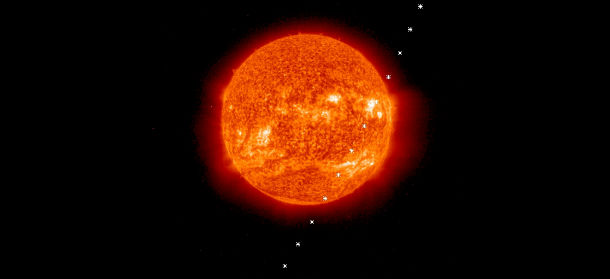
  • Solar Dynamics Observatory: Three Years of Sun in Three Minutes

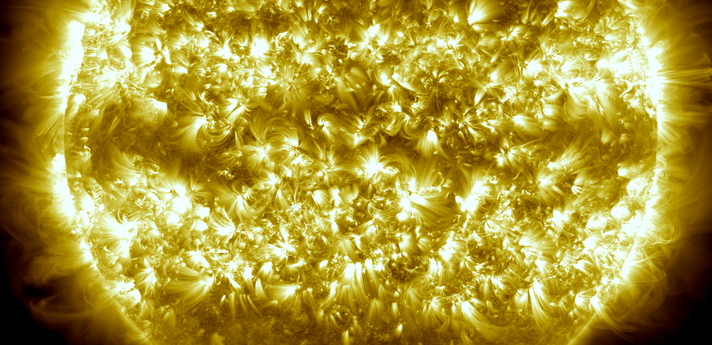
    In the three years since it first provided images of the sun in the spring of 2010, NASA’s Solar Dynamics Observatory (SDO) has had virtually unbroken coverage of the sun’s rise toward solar maximum, the peak of solar activity in its regular 11-year cycle. This video

  • ESA's Aeolus mission – profiling winds around the globe with UV laser

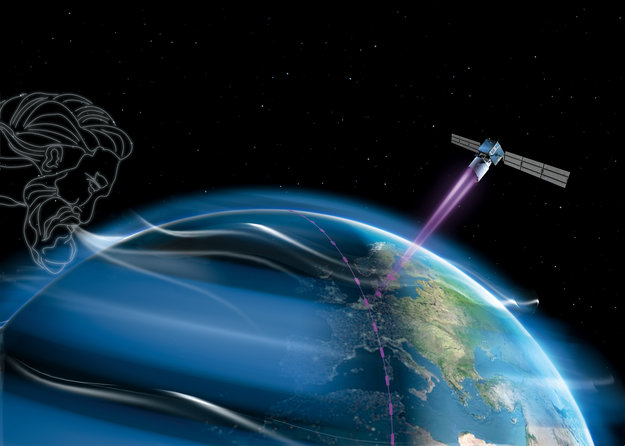
    ESA's wind mission ADM-Aeolus is going to probe global atmosphere using novel UV laser technique. Undergone rigorous testing, the Aeolus satellite is equipped with innovative instruments to improve weather forecasts and contribute to climate research.

  • Earth could enter into dusty meteor shower from Comet ISON’s tail

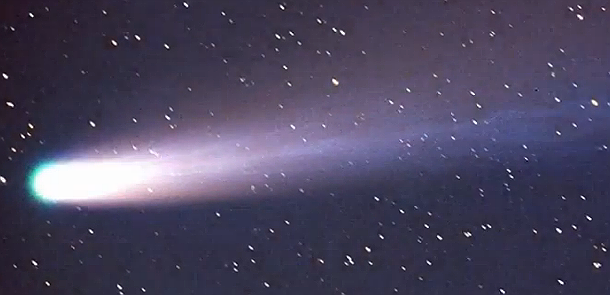
    Excitement and anticipation are rising as comet ISON approaches its close encounter with the Sun in November 2013. An observation of the comet in January 2013 by NASA's Swift spacecraft, when ISON was still near the orbit of Jupiter, showed that it was already…

  • Kepler mission finds 2 most Earth-like planets

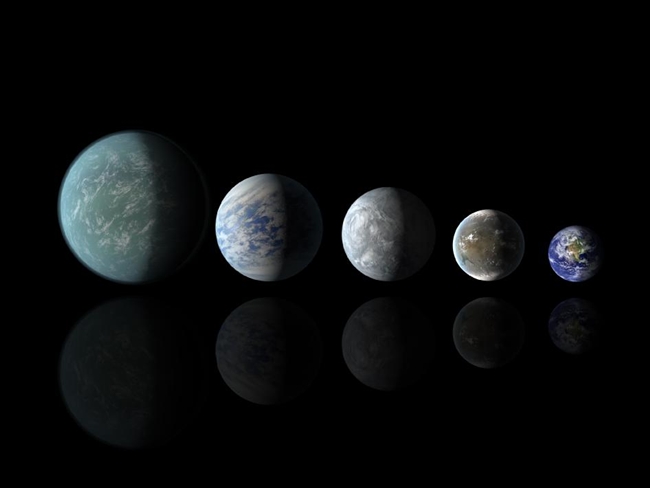
    Continuing its hunt for habitable planets, Kepler mission has discovered 3 new planets in “habitable zones” of their solar system, NASA revealed on Thursday, April 18, 2013. Two of the newly discovered planets are most Earth-like planets found to date. They belong to

  • Lyrid meteor shower peaks on April 22, 2013

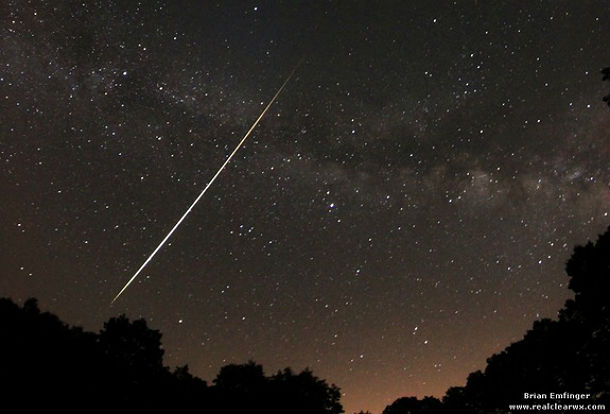
    Earth is approaching the debris field of ancient Comet Thatcher, source of the annual Lyrid meteor shower. Every year in late April Earth passes through the dusty tail of Comet Thatcher (C/1861 G1), and the encounter causes a meteor shower – the Lyrids.Flakes of