• Triple conjunction in the sunset sky on May 26, 2013

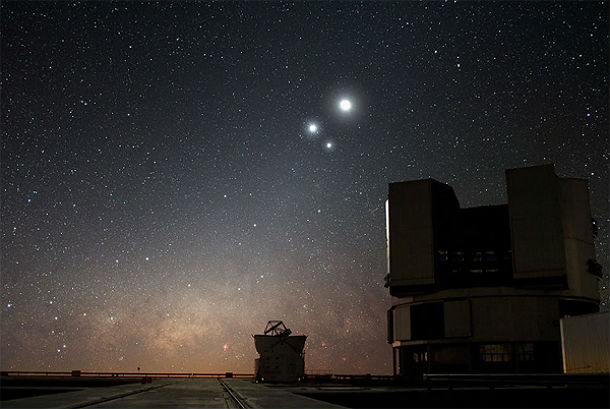
    The three brightest planets in this month's night sky are lining up for a remarkable sunset conjunction at the end of May. 

    On May 26, 2013, in a triple conjunction, Venus, Jupiter and Mercury will form a tight triangle only three degrees

  • New method of finding planets scores its first discovery

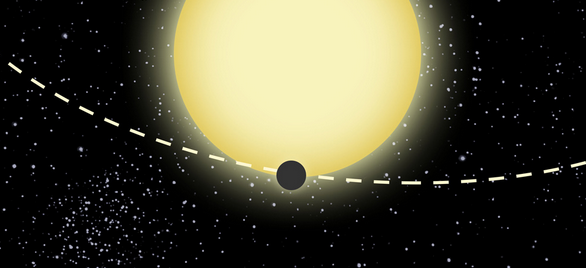
    A team at Tel Aviv University and the Harvard-Smithsonian Center for Astrophysics (CfA) has just discovered an exoplanet using a new method that relies on Einstein's special theory of relativity.

    Detecting alien worlds presents a significant challenge since they

  • Mars bombarded by more than 200 asteroids per year

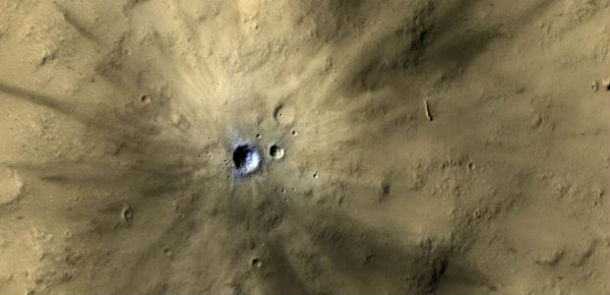
    With the help of images acquired by NASA's Mars Reconnaissance Orbiter, scientists have estimated that the Red Planet is bombarded by more than 200 small asteroids or fragments of comets every year which form craters at least 3.9 meters wide. During the past

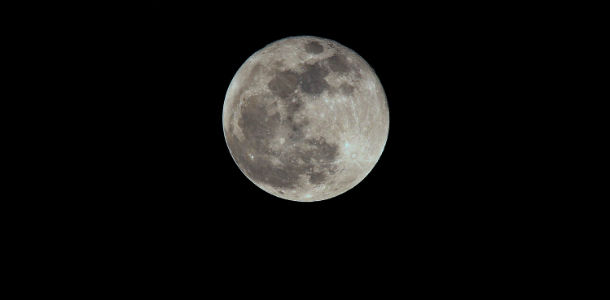
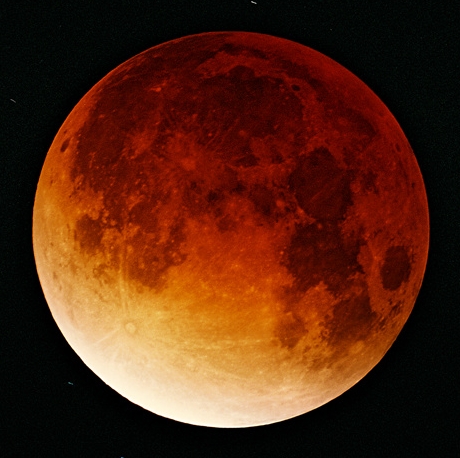
  • Penumbral lunar eclipse on May 25, 2013

    The second lunar eclipse of 2013 occurs at the Moon's ascending node in Scorpius about 7° northwest of Antares (mv = +1.07). With a penumbral eclipse magnitude  of 0.0158, just 0.5 arc-minutes of the Moon's southern limb will pass into Earth's pale

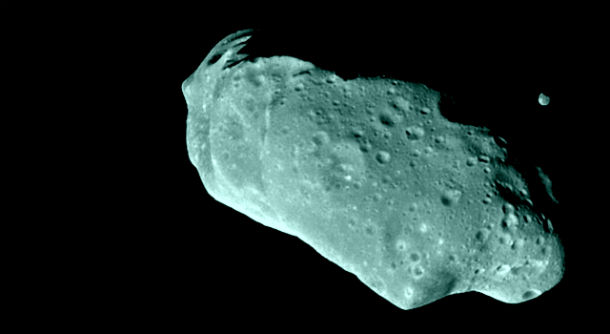
  • 2.7 km wide Asteroid 1998 QE2 will fly past Earth on May 31, 2013

    Asteroid 1998 QE2 will fly past Earth at end of May at a distance of 5.8 million kilometers, or about 15 times the distance between Earth and the moon. The asteroid's size is estimated to be about 2.7 kilometers. It will make its closest approach on May

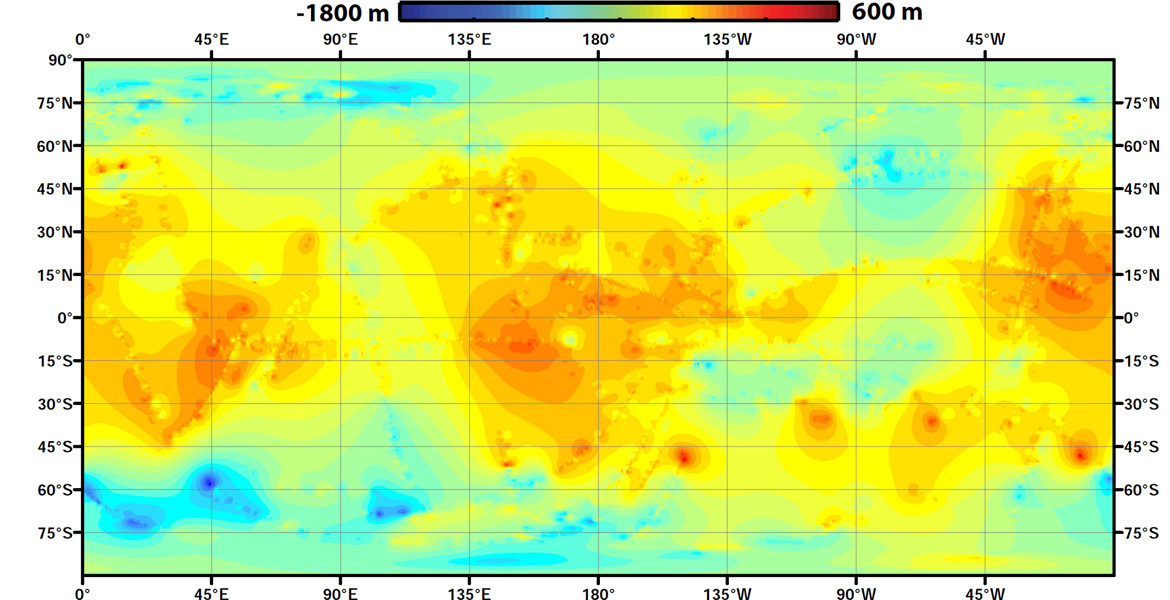
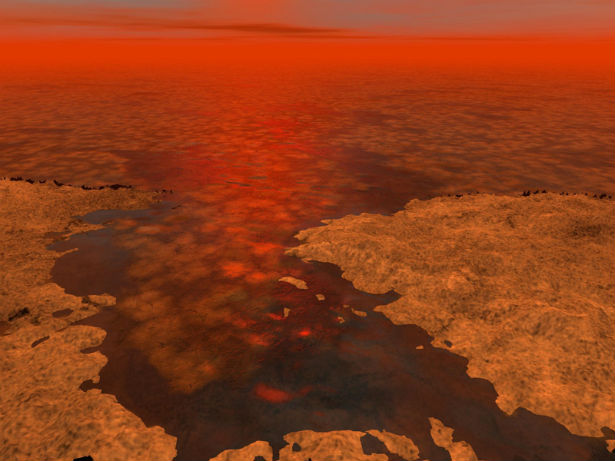
  • First global topographic map of Titan, a world much like Earth

    Scientists have created the first global topographic map of Saturn's moon Titan giving researchers a valuable tool for learning more about one of the most Earth-like and interesting worlds in the solar system. The map was just published as part of a paper in

  • Don’t miss this year’s annular solar eclipse on May 9/10

    On May 9-10, the Moon will pass directly in front of the sun over the South Pacific, producing the first (annular) solar eclipse this year. At greatest eclipse, 95-98% of the sun’s surface will be covered. An annular eclipse occurs when the Moon eclipses the

  • 2013 Eta Aquarid meteor shower overview

    This year’s annual Eta Aquarid meteor shower peaked on May 5/6 as our planet passed through a stream of debris from Halley’s Comet. International Meteor Organization (IMO) reported peak of 135 meteors per hour on May 6, 2013. Far more than initially…