• Has Comet ISON stopped brightening?

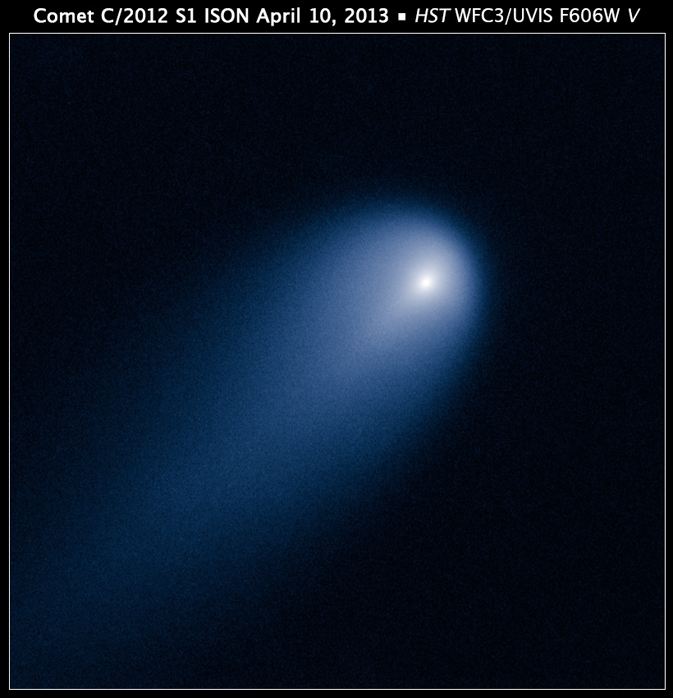
    Comet ISON is expected to become one of the most dazzling skywatching events while making a passage around the Sun later this year. In October of 2012 NASA's Jet Propulsion Laboratory (JPL) stated that Comet ISON (C/2012 S1) could reach magnitude -11.6, which

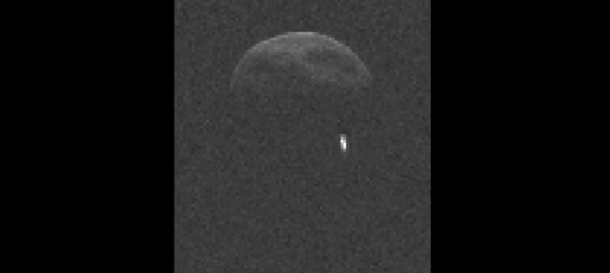
  • Approaching Asteroid 1998 QE2 has its own moon

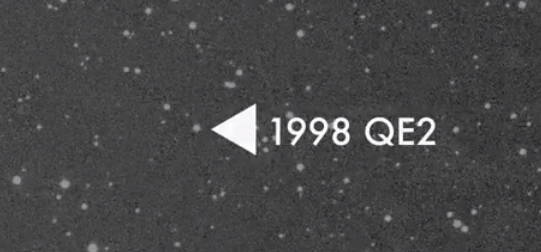
    On May 31, 2013 at 20:59 UTC, the 2.7 km wide Asteroid 1998 QE2 will make its closest approach to Earth at 5.8 million kilometers (3.6 million miles). This will be the closest it gets to Earth for at least the next two

  • Moon craters may preserve alien debris

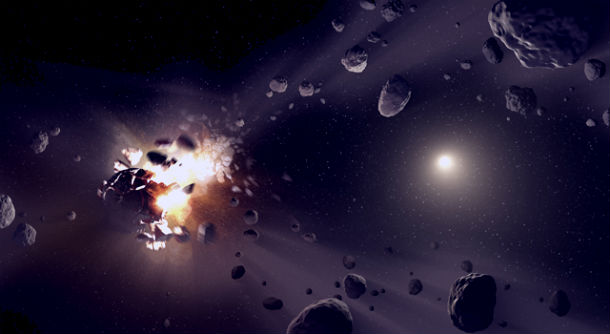
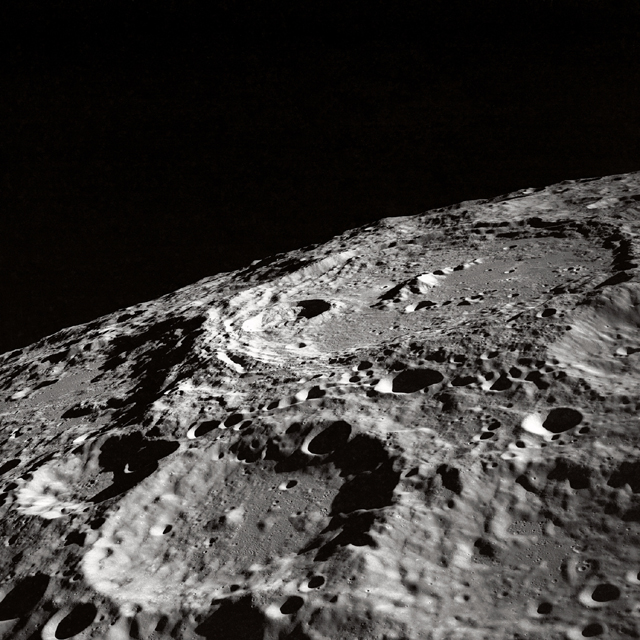
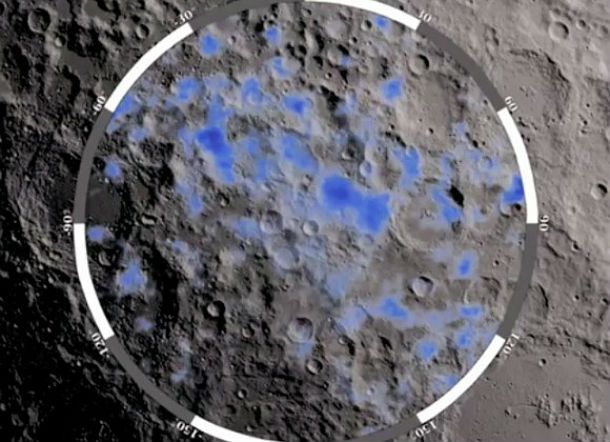
    According to a new study, a quarter of the moon's impact craters retain strange minerals that may be the shattered remains of the space rocks that made the craters and not exhumed bits of the moon's interior, as had been previously thought. The strange

  • Hubble reveals Ring Nebula's intriguing details

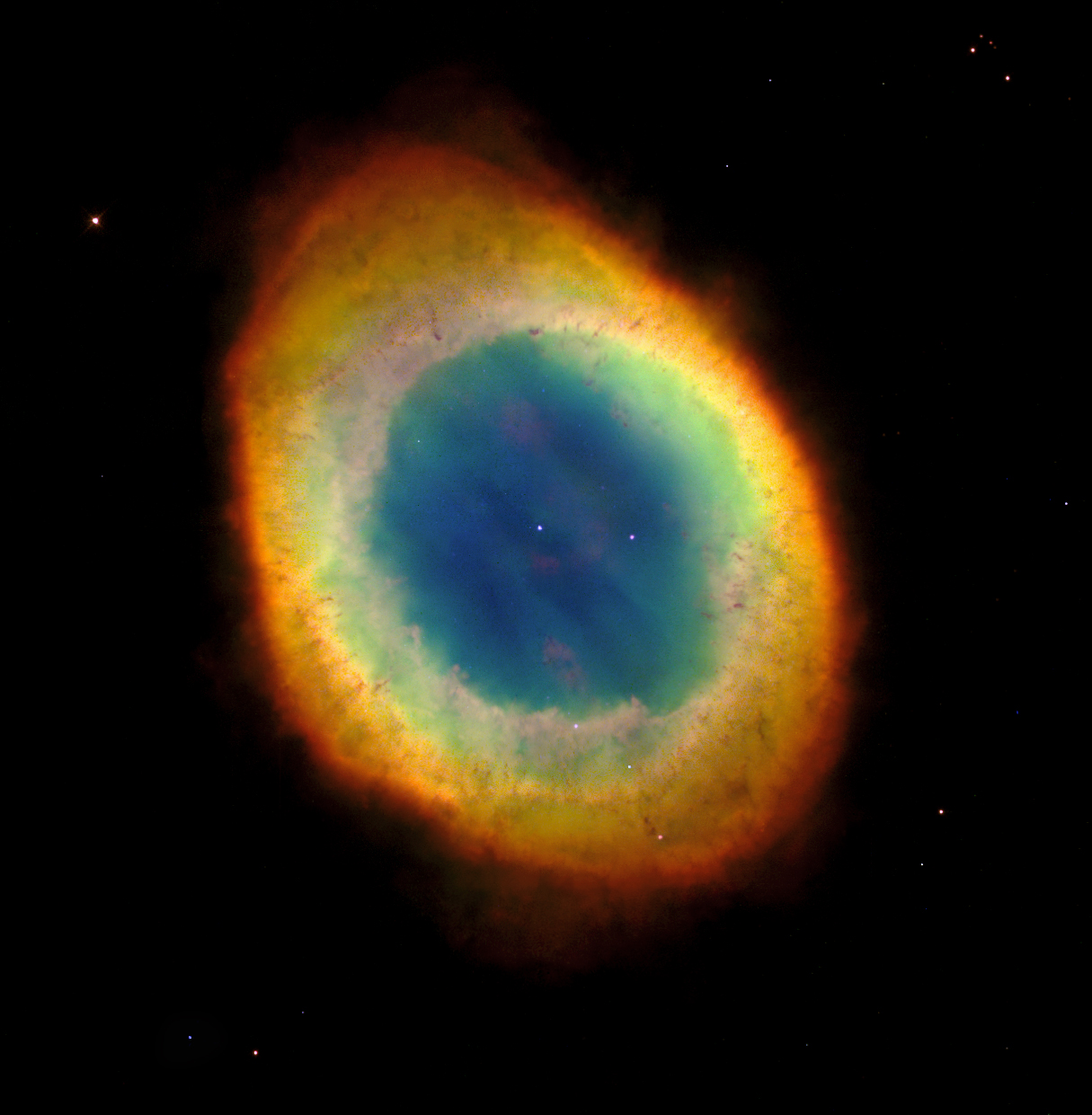
    NASA`s Hubble Space Telescope bring us new, detailed look at the very popular Ring Nebula. Observations by Hubble of the glowing gas shroud around an old, dying, sun-like star reveal some very intriguing details. New images display a more complex structure than

  • Wild weather predicted for Saturn's largest moon Titan

    According to the two new models, Saturn`s moon Titan may be affected by some harsh weather as it heads into its spring and summer seasons. Experts are of the opinion that as the seasons change in Titan's northern hemisphere, hurricanes could begin to churn and

  • Supermoon falls on May 24-25, 2013

    The full moon of May, 2013 is the third full moon after the March equinox. The moon is only one day away from lunar perigee, when it reaches closest point to Earth. The May 24/25 moon stays almost opposite the sun during the whole night, so it will rise