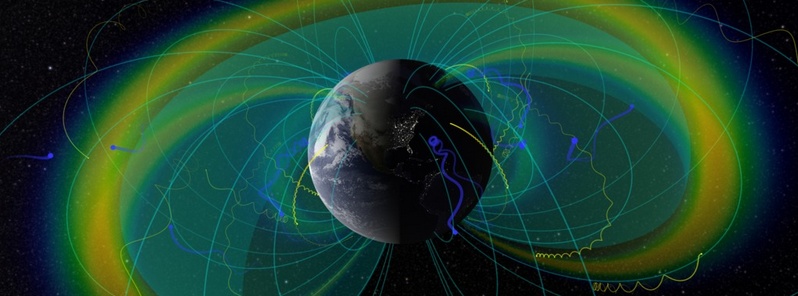
• Van Allen probes spot an impenetrable barrier in space

    Van Allen radiation belts have been found to contain a nearly impenetrable barrier that prevents the fastest, most energetic electrons from reaching Earth.The Van Allen belts are a collection of charged particles, gathered in place by Earth’s magnetic field. They

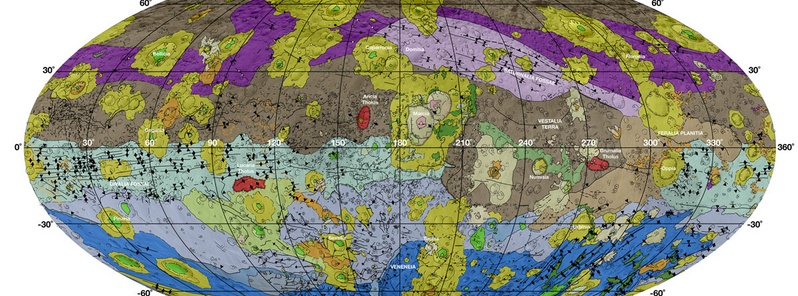
  • High-resolution geological map of asteroid Vesta published

    Images from NASA's Dawn Mission have been used to create a series of high-resolution geological maps of the large asteroid Vesta, revealing the variety of surface features in unprecedented detail. These maps are included with a series of 11 scientific papers publish

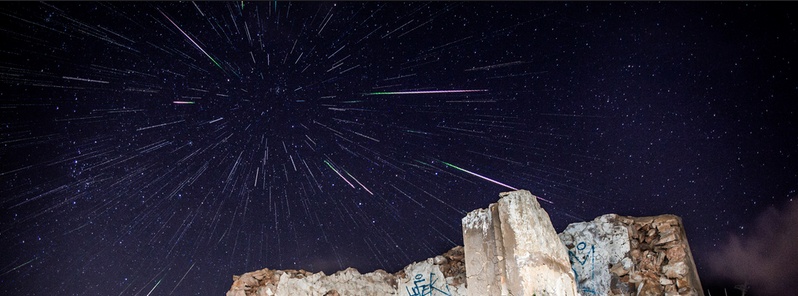
  • Leonid meteor shower peaks tonight

    Leonid meteor shower peaks during the night and early morning hours of November 17 and 18. Waning-crescent moon is favorable for this year's Leonids peak and will provide dark enough skies for night sky watchers. Leonids will radiate from the constelation Leo, but c

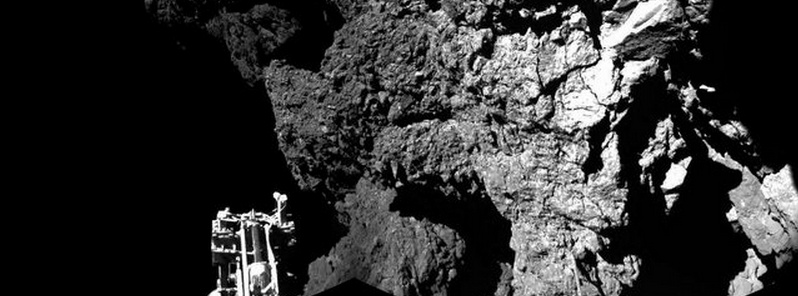
  • Philae completes it primary mission before hibernation

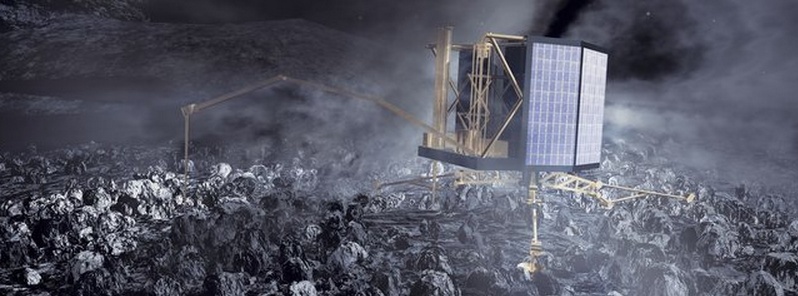
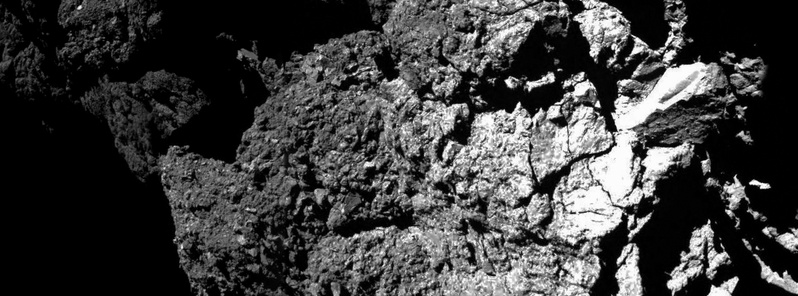
    Rosetta's lander Philae has completed its primary science mission after nearly 57 hours on Comet 67P/Churyumov–Gerasimenko, ESA proudly announced today. With its batteries now depleted and without enough sunlight available to recharge, Philae has fallen into

  • Newly released map shows frequency of small asteroid impacts

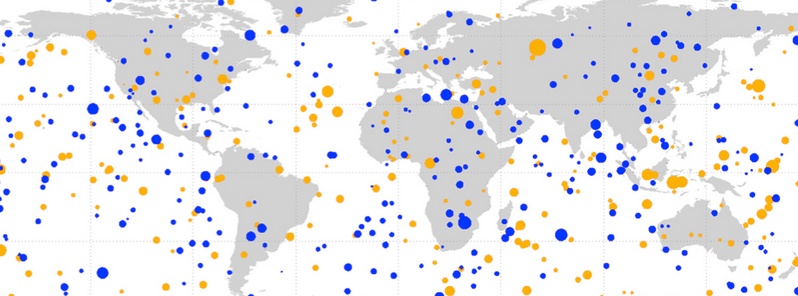
    A map released yesterday by NASA's Near Earth Object (NEO) Observation Program reveals that small asteroids frequently enter and disintegrate in the Earth's atmosphere with random distribution around the globe. Released to the scientific community, the map visua

  • New solar monitoring instrument “EXIS” passes final review

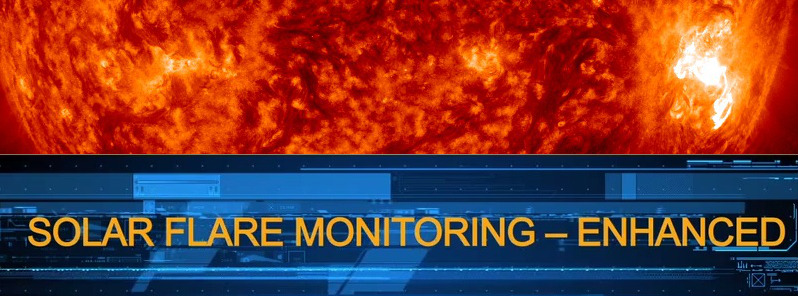
    EXIS, the new solar monitoring instrument that will fly aboard new NOAA's GOES-S satellite has completed its final review, NASA Goddard Space Flight Center said yesterday.The Extreme Ultraviolet and X-ray Irradiance Sensors (EXIS) Flight Model 2 instrument that will

  • Siding Spring’s flyby effects on Martian atmosphere revealed

    Two NASA and one European spacecraft that obtained the first up-close observations of a comet flyby of Mars on October 19, 2014 have gathered new information about the basic properties of the comet’s nucleus and directly detected the effects on the Martian atmosph