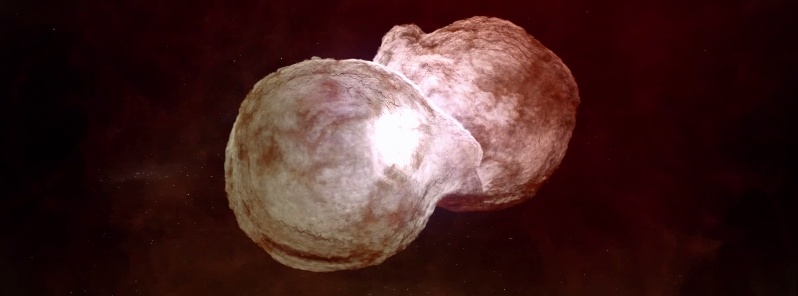
• NASA observatories take an unprecedented look into superstar Eta Carinae

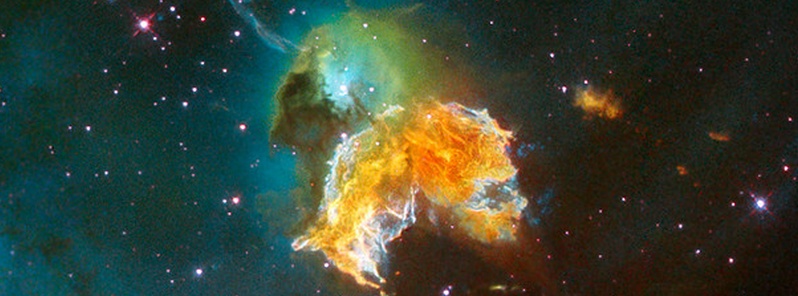
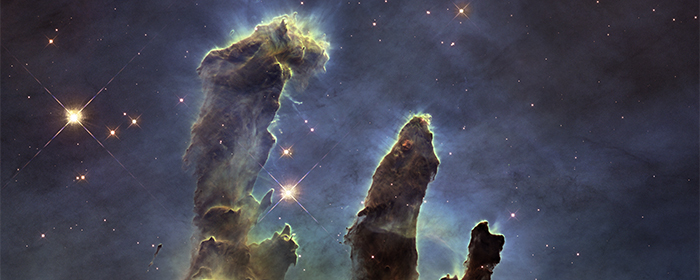
    Eta Carinae, the most luminous and massive stellar system within 10 000 light-years of Earth, is known for its surprising behavior, erupting twice in the 19th century for reasons scientists still don't understand.A long-term study led by astronomers at NASA's Go

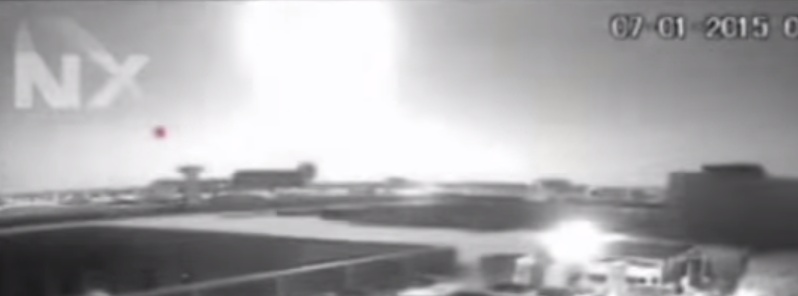
  • Extremely bright fireball recorded over Bucharest, Romania

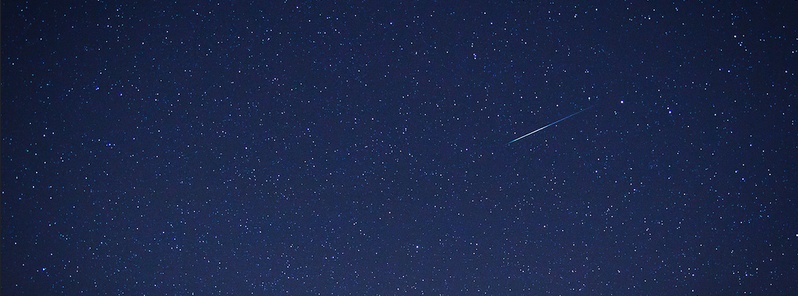
    A bright light followed by a loud noise was recorded over Romanian sky at 01:05 UTC on January 7, 2015 (03:05 local time). The event was observed mainly in the southeastern area of the country and recorded by surveillance cameras in several cities.Based on the data corr

  • Huge new astronomy database now available to the public

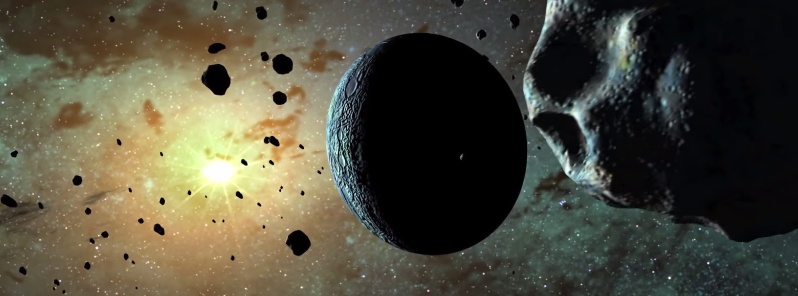
    Penn State University astronomers are among the scientists of the Sloan Digital Sky Survey (SDSS) who this week are releasing to the public a massive collection of new information about the universe. "This set of observations is one of the largest astronomical data

  • ‘Assassin’ targets supernovae in our neighborhood of the universe

    While many astronomical collaborations use powerful telescopes to target individual objects in the distant universe, a new project at The Ohio State University is doing something radically different: using small telescopes to study a growing portion of the nearby univer

  • Comet Lovejoy (C/2014 Q2) makes closest approach to Earth

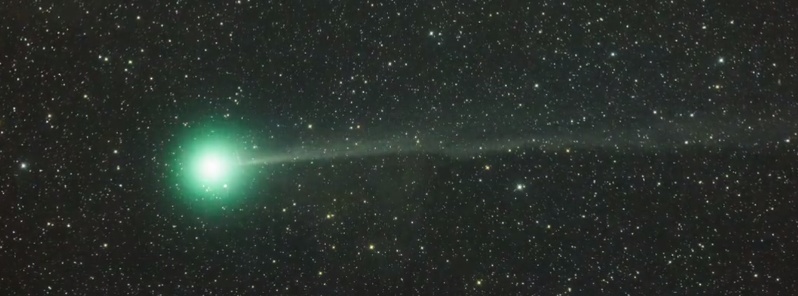
    Comet C/2014 Q2 (Lovejoy), a long-period comet discovered by Australian astronomer Terry Lovejoy on August 17, 2014, is making closest approach to our planet today, at some 70 million kilometers (43.5 million miles / 0.469 AU) away.This comet is now a naked eye object a

  • Hubble captures the sharpest ever view of neighbouring Andromeda galaxy

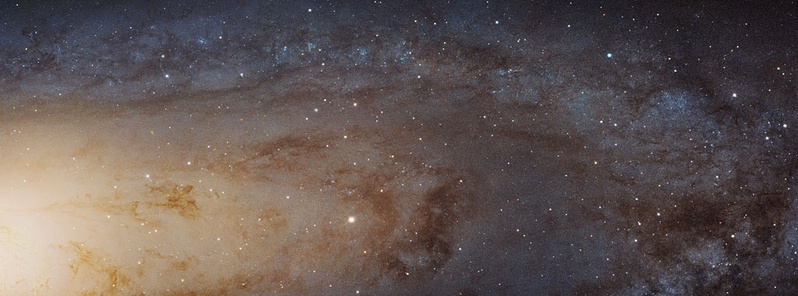
    Hubble Space Telescope has captured the sharpest and biggest image ever taken of the Andromeda galaxy, known as Messier 31. The enormous image is the biggest Hubble image ever released and shows over 100 million stars and thousands of star clusters embedded in a

  • Chandra detects record-breaking outburst from the center of our galaxy

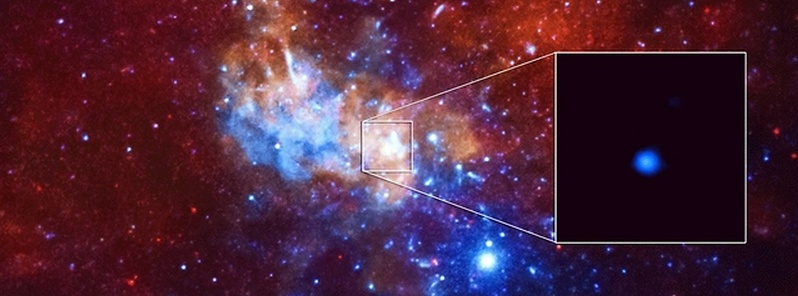
    Astronomers using NASA's Chandra X-ray Observatory have caught the largest X-ray flare ever detected from what is believed to be a supermassive black hole at the center the Milky Way, also known as Sagittarius A* (Sgr A*).The event was 400 times brighter than the us

  • Quadrantid meteor shower peaks on January 3rd and 4th

    Quadrantids are considered to be one of the best annual meteor showers, known for their bright fireball meteors – larger explosions of light and color that can persist longer than an average meteor streak.This year, they peak on the night of January 3rd and the morning

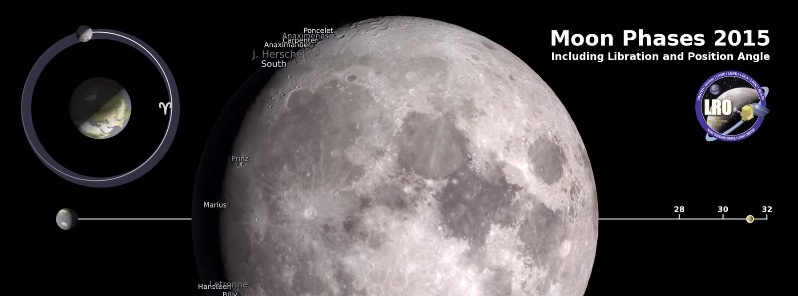
  • Night sky guide for January 2015

    As far as the meteor showers are concerned the year starts with an above average Quadrantids, unfortunately the nearly full moon will block out most of the show. Quadrantids will peak this year on the night of January 3rd and the morning of 4th.Brilliant comet C/2014 Q2

  • First global maps from Orbiting Carbon Observatory (OCO-2)

    The first global maps of atmospheric carbon dioxide from NASA's new Orbiting Carbon Observatory-2 (OCO-2) mission show elevated carbon dioxide concentrations across the Southern Hemisphere from springtime biomass burning and hint at potential surprises to come.A glo