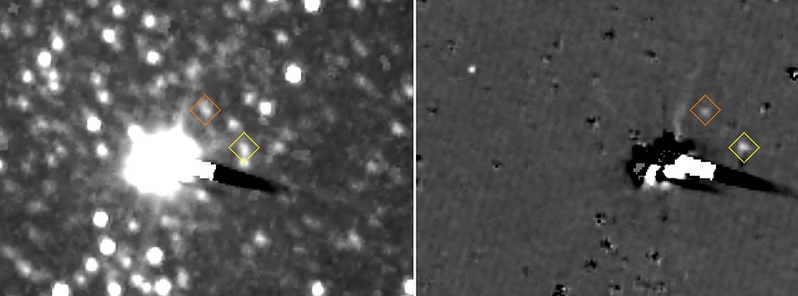
• New Horizons spots small moons orbiting Pluto

    Exactly 85 years after Clyde Tombaugh’s historic discovery of Pluto, the New Horizons spacecraft set to encounter the icy dwarf planet this summer is providing its first views of the small moons orbiting Pluto. The moons Nix and Hydra are visible in a series of im
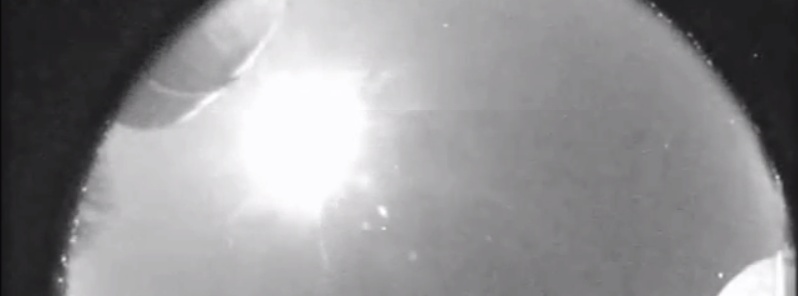
  • Very bright fireball seen over Pennsylvania, US

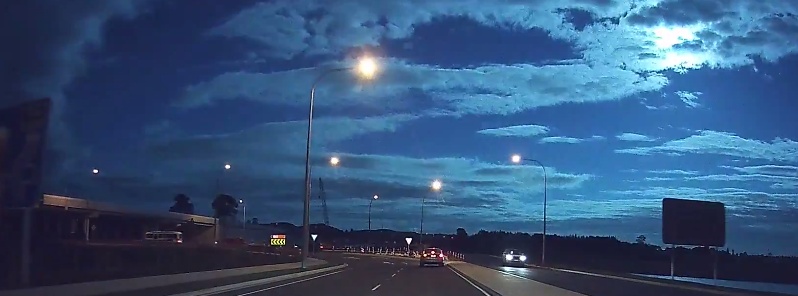
    A very bright fireball was seen and recorded by NASA's cameras over Pennsylvania, US at 09:45 UTC (04:45 EST) on February 17, 2015.NASA's Meteoroid Environment Office (MEO) said the space rock was about 60 cm (2 feet) in diameter, weighing roughly 226 kg (500 po

  • Crystal comets

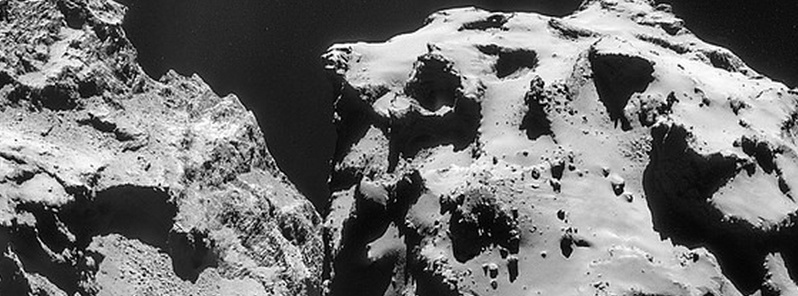
    The “dusty snowball” theory of comets needs attention, since there are crystals that need high temperatures to form in the matrix of at least two.Recently, the composition of comet 67P/Churyumov-Gerasimenko (67P/C-G) was discussed in the scientific press. It

  • Deep Space Climate Observatory (DSCOVR) successfully launched

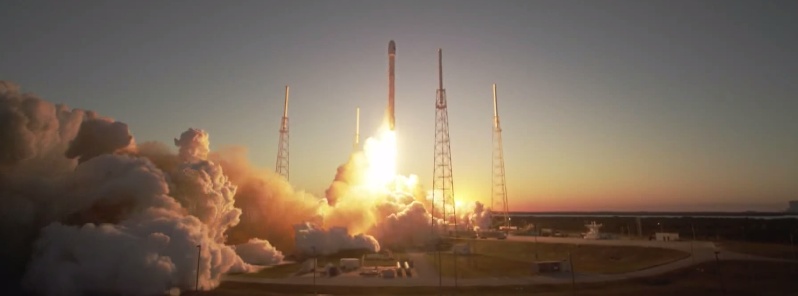
    After a few days of delay, the Deep Space Climate Observatory or DSCOVR was finally launched at 23:03 UTC on Wednesday, February 11, 2015.DSCOVR was launched on a SpaceX Falcon 9 rocket from the Space Launch Complex 40 at Cape Canaveral Air Force Station in Florida and

  • New videos released in honor of SDO’s 5th anniversary

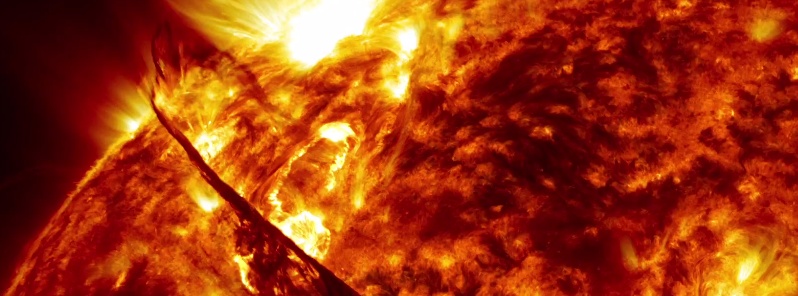
    February 11, 2015 marks five years in space for NASA's Solar Dynamics Observatory, which provides incredibly detailed images of the whole Sun 24 hours a day.Capturing an image more than once per second, SDO has provided an unprecedentedly clear picture of how massiv

  • Recording doomed ATV’s disintegration from inside

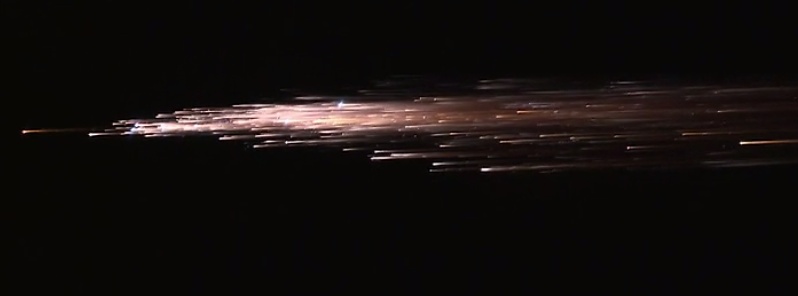
    In a special experiment scheduled for February 27th, ESA and NASA are planning to record, from inside, reentry and disintegration of Automated Transfer Vehicle (ATM).Every mission of ESA’s ATV ferry ends in the same way – filled with Space Station rubbish

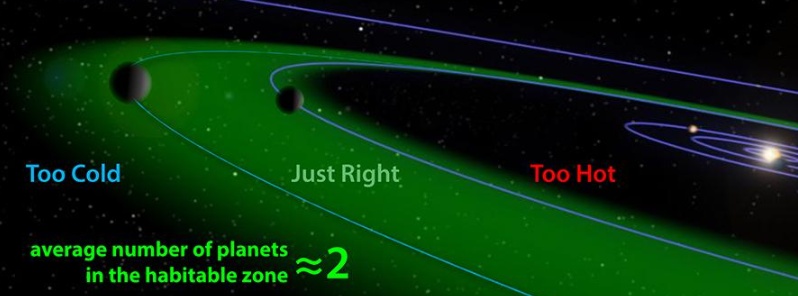
  • Planetary scientists predict Earth-like planets around most stars

    Planetary scientists have calculated that there are hundreds of billions of Earth-like planets in our galaxy which might support life. The new research, led by PhD student Tim Bovaird and Associate Professor Charley Lineweaver from The Australian National University (AN

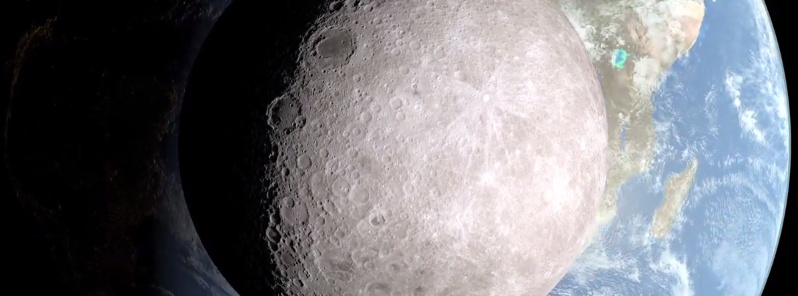
  • A view from the other side of the Moon

    A number of people who've seen NASA's annual lunar phase and libration videos have asked what the other side of the Moon looks like, the side that can't be seen from the Earth. This video answers that question.The imagery was created using Lunar Reconnaissan

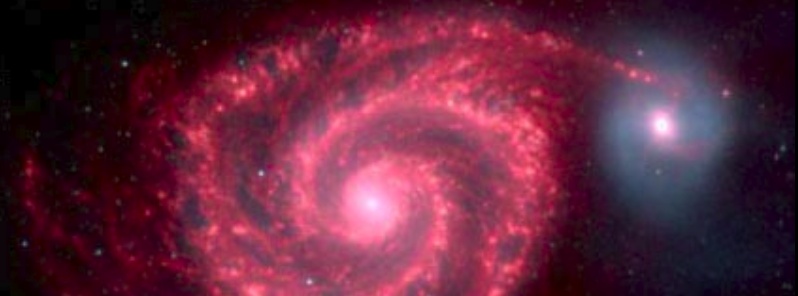
  • An infrared atlas of interacting galaxies

    Most galaxies, including our own Milky Way, have been influenced by an interaction with another galaxy at some time in their past. Interactions between galaxies can trigger an increase in star-formation activity as well an increased level of activity around the nuclear