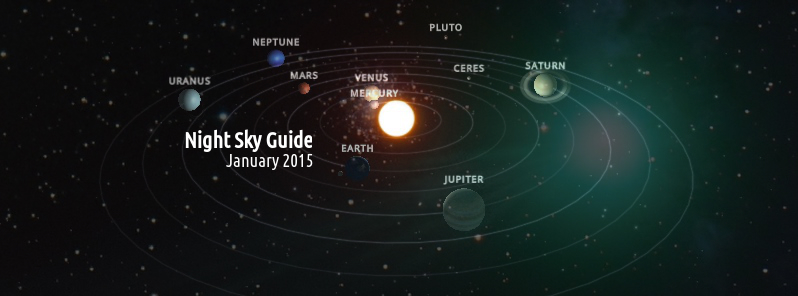
• Night sky guide for January 2015

    As far as the meteor showers are concerned the year starts with an above average Quadrantids, unfortunately the nearly full moon will block out most of the show. Quadrantids will peak this year on the night of January 3rd and the morning of 4th.Brilliant comet C/2014 Q2
  • First global maps from Orbiting Carbon Observatory (OCO-2)

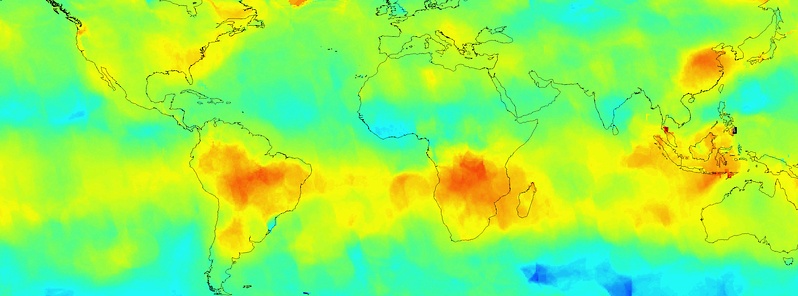
    The first global maps of atmospheric carbon dioxide from NASA's new Orbiting Carbon Observatory-2 (OCO-2) mission show elevated carbon dioxide concentrations across the Southern Hemisphere from springtime biomass burning and hint at potential surprises to come.A glo

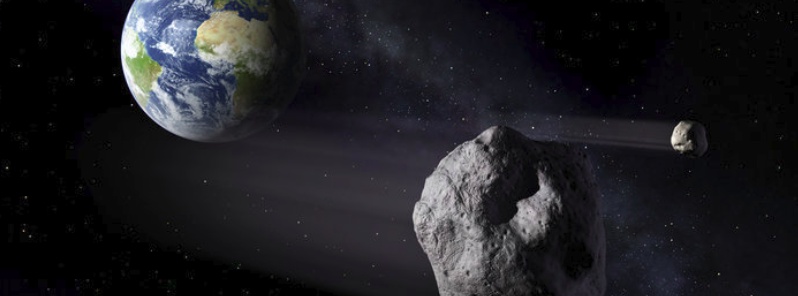
  • Asteroid impact exercise – preparing for an asteroid impact

    In ESA's first-ever asteroid impact exercise, the agency and European disaster response offices recently rehearsed how to react if a threatening space rock is ever discovered to be on a collision course with Earth. They went through a countdown to an impact, practic

  • Curiosity rover finds active, ancient organic chemistry on Mars

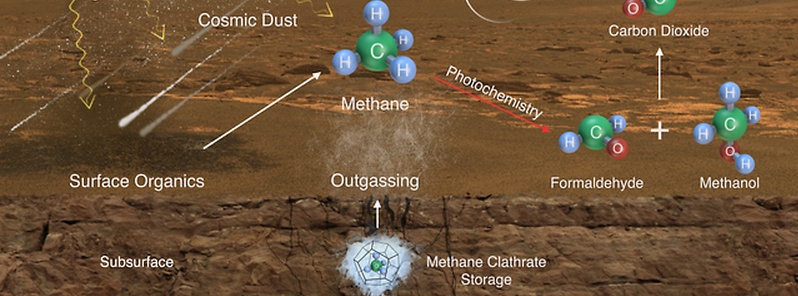
    NASA's Mars Curiosity rover has measured a tenfold spike in methane, an organic chemical, in the atmosphere around it and detected other organic molecules in a rock-powder sample collected by the robotic laboratory’s drill."This temporary increase in meth

  • Rosetta Mission Update – Comets may not be what we thought

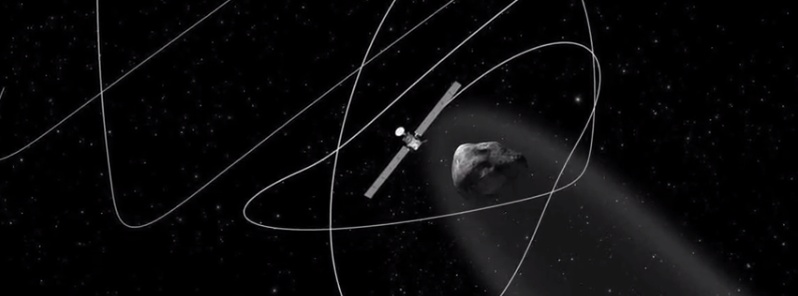
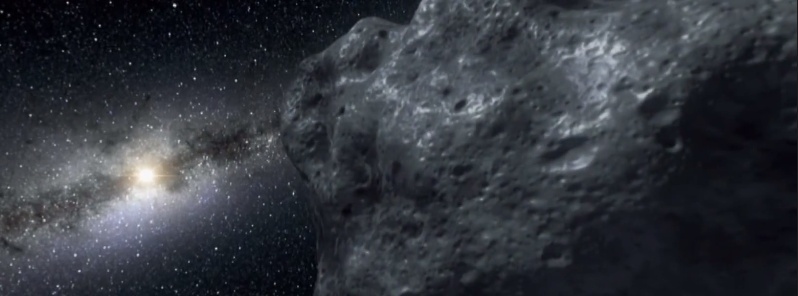
    The Comet 67P/Churyumov-Gerasimenko. Perhaps the strangest solar system object ever observed up close in the course of the space age. It was the target of the Rosetta probe, whose 10-year journey began in March 2004, under the sponsorship of the European Space Agency.Th

  • MAVEN identifies links in chain leading to atmospheric loss

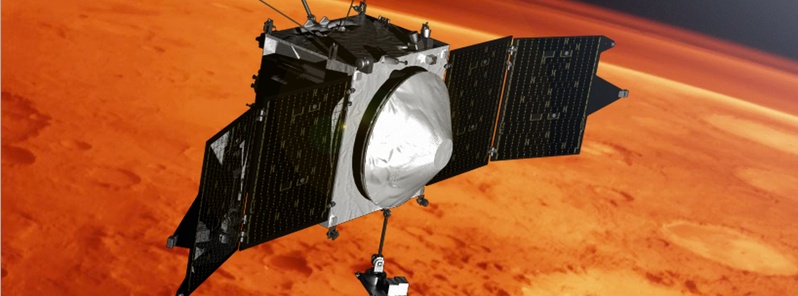
    Early discoveries by NASA’s newest Mars orbiter are starting to reveal key features about the loss of the planet’s atmosphere to space over time. The findings are among the first returns from NASA’s Mars Atmosphere and Volatile Evolution (MAVEN) missio

  • Geminids – the king of meteor showers peaks this weekend

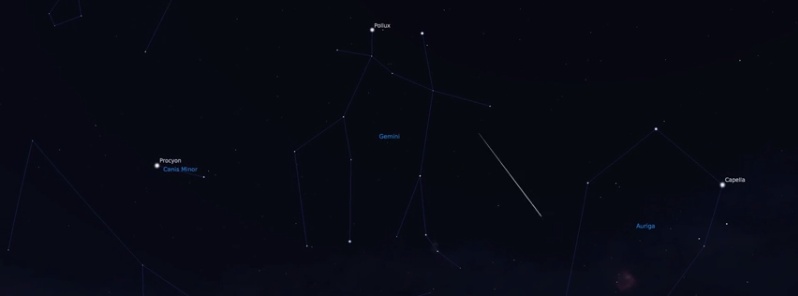
    Geminid meteor shower, the king of meteor showers, peaks during the night and early morning hours of December 13 and 14 as our planet passes through a debris field left by asteroid, or a possible "rock comet", named 3200 Phaethon.Geminids are considered by man

  • New Horizons wakes up for historic Pluto encounter

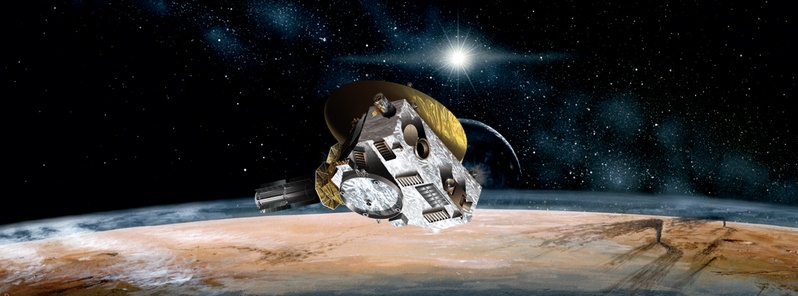
    New Horizons woke up from hibernation on December 6, 2014 after a 4.8 billion km voyage (3 billion miles) and almost nine years after launch. The spacecraft is now preparing for a six-month encounter with Pluto that begins in January 2015. This mission will complete