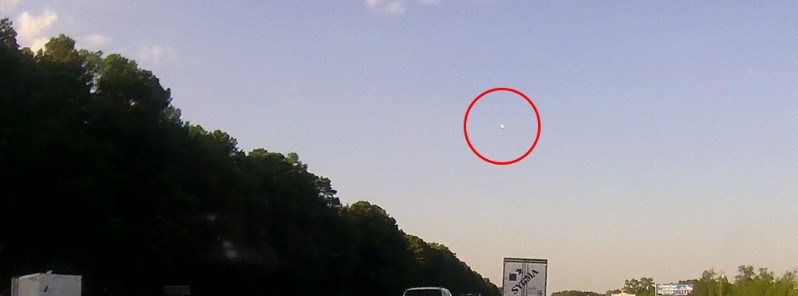
• Asteroid 2016 RB1 to flyby Earth at 0.1 LD on September 7, 2016

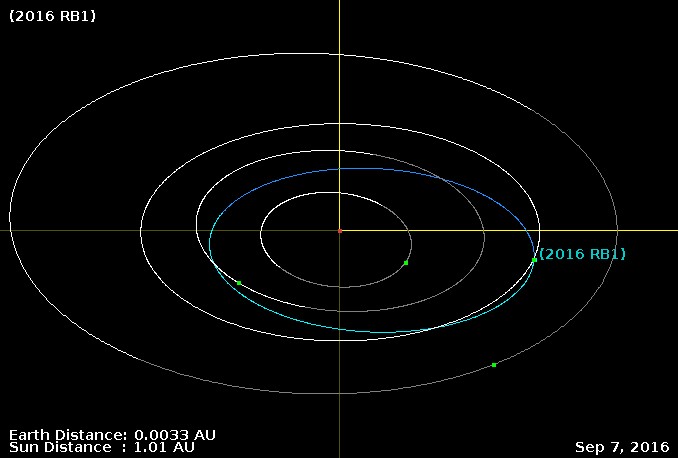
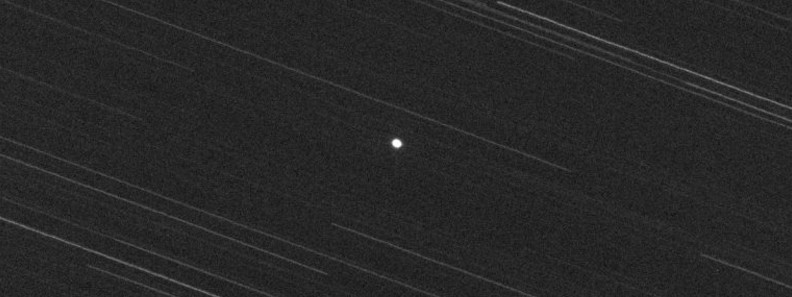
    Newly discovered asteroid 2016 RB1 will make a very close flyby of Earth on September 7, 2016, passing at 0.1 LD (38 400 km / 23 860 miles) from the surface of our planet. The size of 2016 RB1, based on absolute magnitude, is estimated to be between 7.3 and 16 m (24…

  • Night sky guide for September 2016

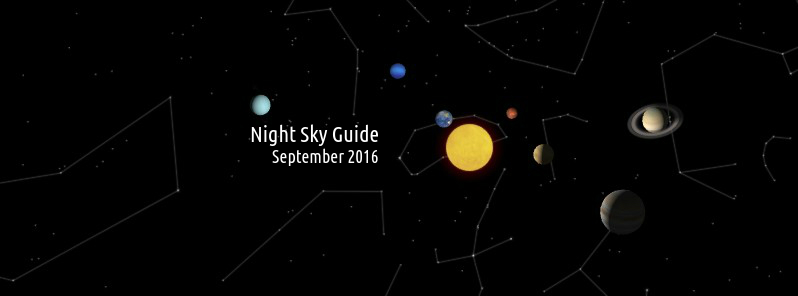
    September 2016 started with an annular solar eclipse visible across central Africa southwards to Madagascar and into the Indian Ocean. The next annular eclipse will occur on February 26, 2017, and will be visible from south and west Africa, much of South America,…

  • ESA’s Sentinel-1A satellite hit by a space particle

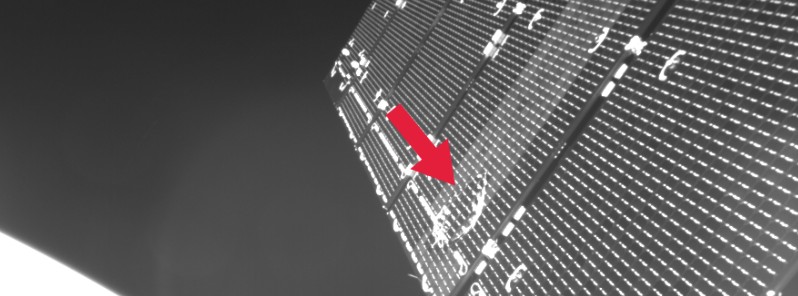
    European Space Agency reported today that a solar panel on its Copernicus Sentinel-1A satellite was hit by a millimetre-size (0.04 inches) space particle in orbit on August 23, 2016. Thanks to onboard cameras, ground controllers were able to identify the affected…

  • Asteroid 2016 QA2 makes exceptionally close Earth flyby hours after discovery

    Asteroid 2016 QA2 made an exceptionally close flyby of our planet at 01:24 UTC on August 28, 2016, just hours after it was discovered. Its estimated size is 34 meters (111.5 feet), between 16 and 52 meters (52 – 170 feet). This is about twice as big as the asteroid…

  • Will the International Space Station be decommissioned soon?

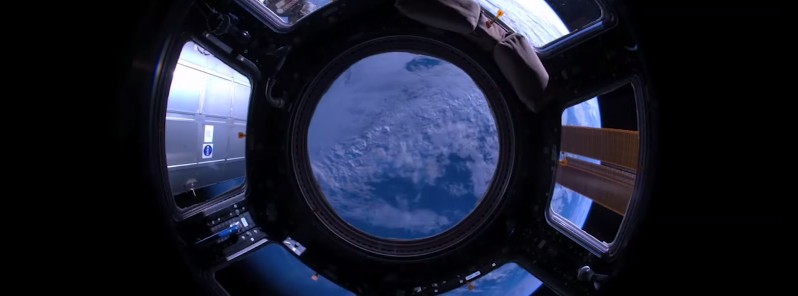
    Have you ever looked up at the night sky and seen a strange, slowly moving light cross the horizon? Chances are it wasn’t an alien spacecraft, but instead, the International Space Station flying by. This extraordinary structure has been in orbit since 1998 and…

  • Annular solar eclipse of September 1, 2016

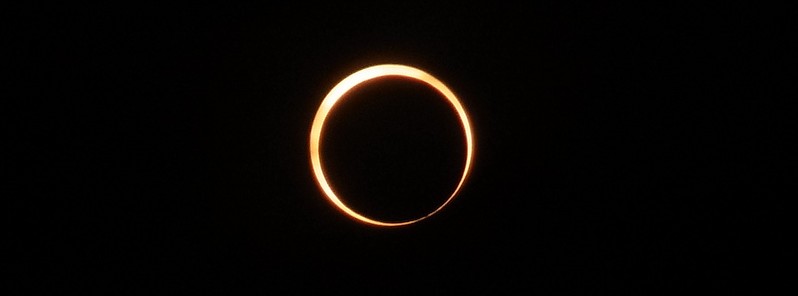
    A large annular eclipse will cover 97% of the Sun on Thursday, September 1, 2016. The whole event will last from 06:13 – 12:00 UTC and will be visible across central Africa southwards to Madagascar and into the Indian Ocean. The partial eclipse will be visible…

  • Contact with STEREO-B solar observatory reestablished after 22 months

    After 22 months of failed communication attempts, NASA's Deep Space Network has finally reestablished communication with STEREO-B solar observatory. The STEREO Missions Operations team plans further recovery processes to assess observatory health, re-establish…