• Night sky guide for November 2016

    This month’s Full Moon – the second of three supermoons in 2016 – will be the largest and closest to Earth since January 26, 1948. It won't come this close again until November 25, 2034. Out of three meteor shower peaks for the month, only Southern Taurids…

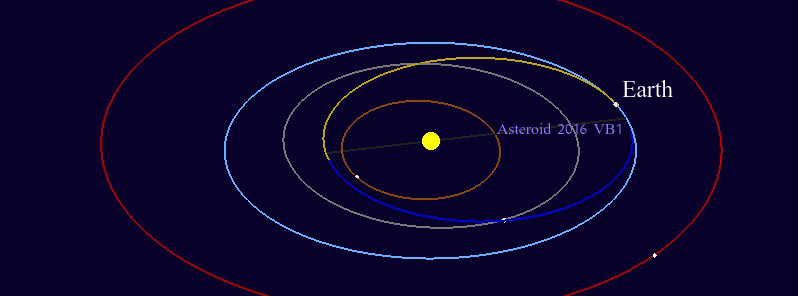
  • Asteroid 2016 VA to flyby Earth at 0.25 LD on November 2, 2016

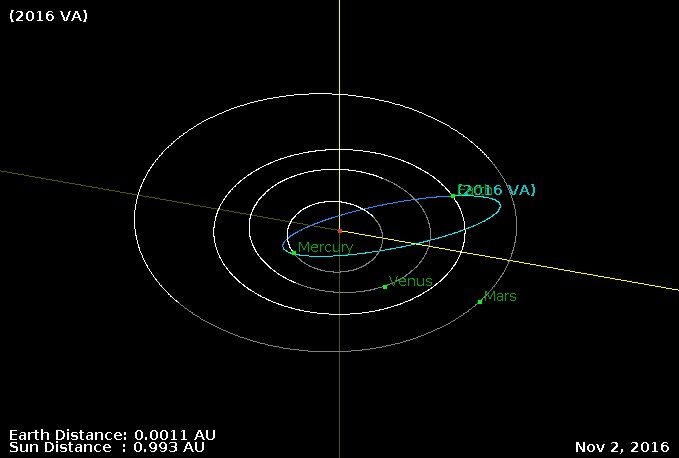
    A newly discovered asteroid 2016 VA will flyby Earth at a distance of 0.25 LD (96 000 km / 59 000 miles) from the surface at 00:42 UTC on November 2, 2016. Asteroid 2016 VA was discovered on November 1, 2016 by Mt. Lemmon Survey. It's estimated size is 6 – 22 m…

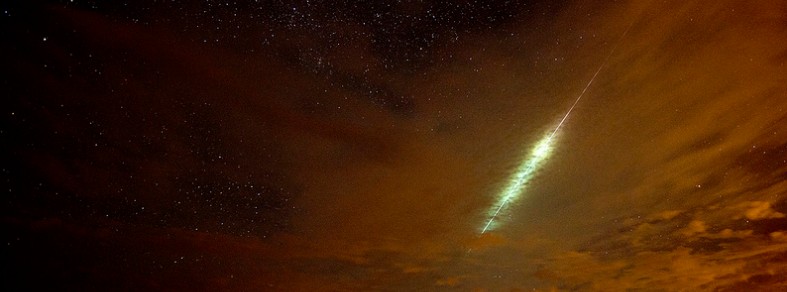
  • Rare fireball shoots across the sky over Japan

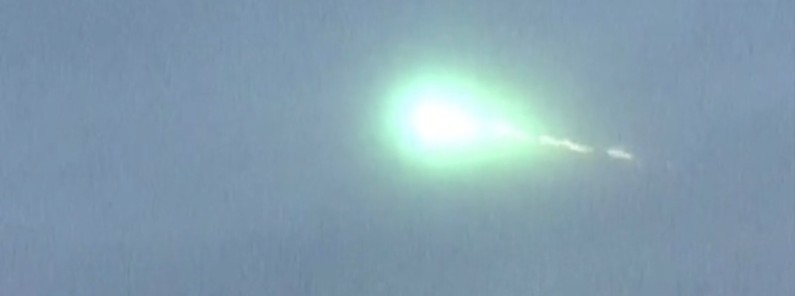
    A mysterious green fireball streaked across the sky over northern Japan on October 31, 2016, sparking speculations what the fiery object might be. The event lasted for about 15 seconds and was captured by several cameras. While one astronomer said the object was a…

  • Meteorite crashes near Lake Baikal, Russia

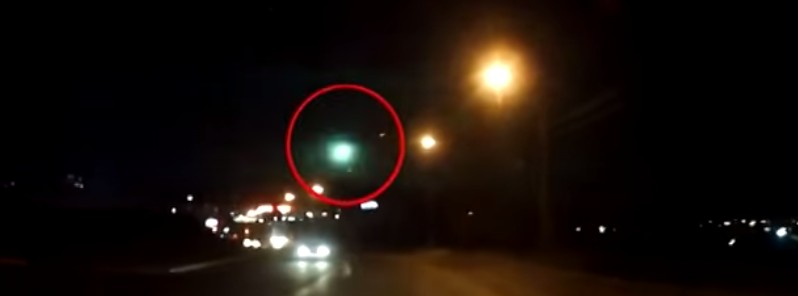
    Residents of eastern Siberia, Russia reported seeing a flash of green light falling on Earth around Lake Baikal at 11:45 UTC on October 25, 2016. The observed green light in the Irkutsk Region and the Buryatia Republic closely resembled the famous Chelyabinsk…

  • Several meteor-like objects land in Kerala’s Peermade, India

    Several meteor-like objects survived their passage through the Earth's atmosphere and landed near the city of Peermade in the Indian state of Kerala on October 18, 2016. District Collector G.R. Gokul said for The Hindu that the image of the objects from Peermade…

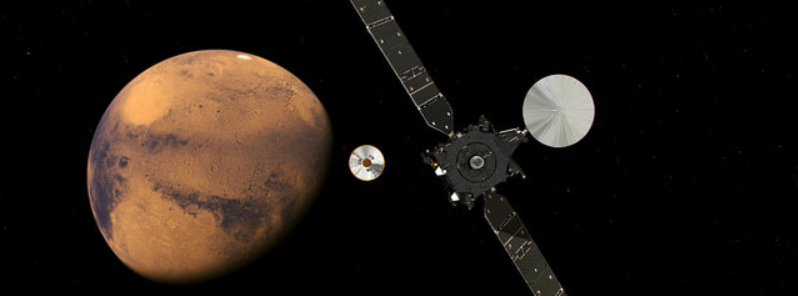
  • ExoMars 2016 to enter the Red Planet’s orbit on October 19, 2016

    ESA has announced the ExoMars 2016 mission is expected to enter the orbit of Mars on October 19, 2016, and has invited media representatives to attend the event at ESA's ESOC control center in Darmstadt, Germany. The ExoMars program was established to…

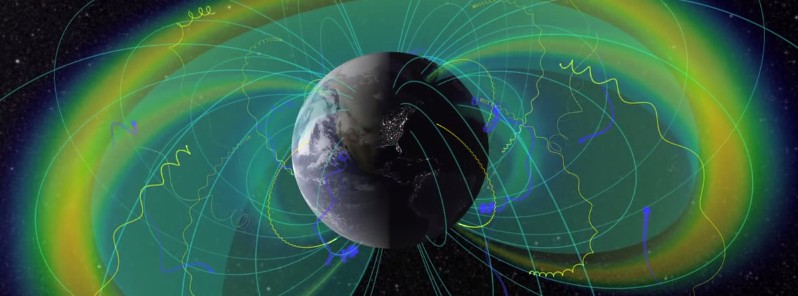
  • Van Allen radiation belts during an extremely rare solar wind event

    Earth is embedded in the always-expanding atmosphere of the Sun, called the solar wind, which blows past planets to the edge of the Solar System. Solar wind is typically supersonic, faster than the speed of sound, and when it encounters planets, like Earth, a shock…

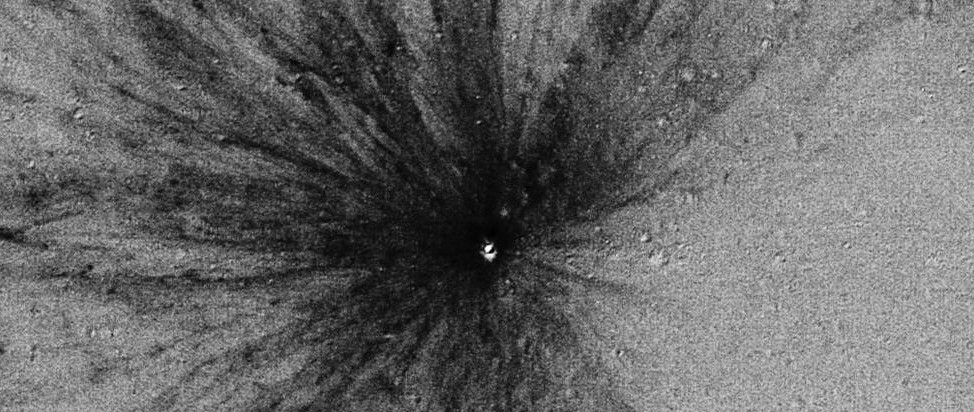
  • Moon hit by meteorites far more than predicted

    In the past 7 years, meteorites have made at least 222 impact craters on the surface of the Moon which is 33% more than predicted, according to a new study published this week in Nature. The work is considered a significant advance in the field of crater chronology….

  • New ISS instrument to enhance knowledge on quantum phenomena

    Cold Atom Laboratory (CAL), the compact, atom-chip based scientific instrument, is expected to be installed on the International Space Station (ISS) during late 2017. The instrument will provide the scientific community with new, interesting, insights into quantum…

  • Sunrise meteor breaks apart over Mississippi and Alabama, US

    A bright green meteor streaked across the sky of Alabama and Mississippi around 11:48 UTC (06:48 CDT) on October 12, 2016. The event was seen from Texas to Kentucky. The American Meteor Society (AMS) received over 290 reports by 18:20 UTC. Witnesses described…