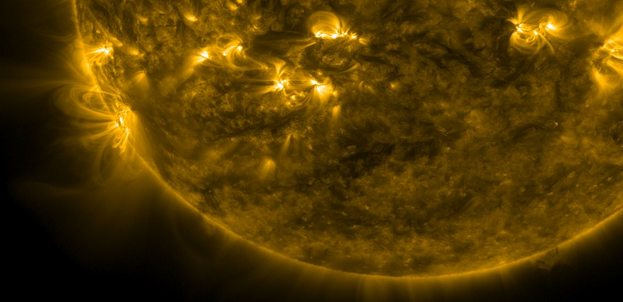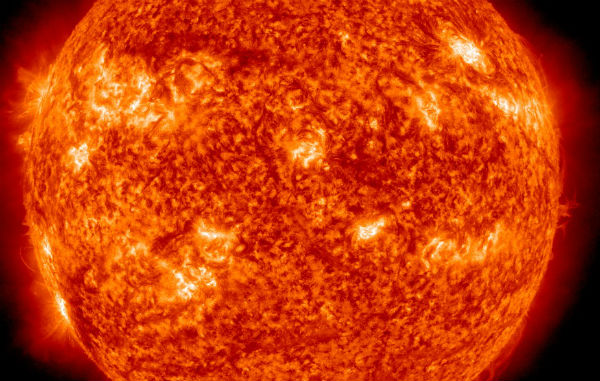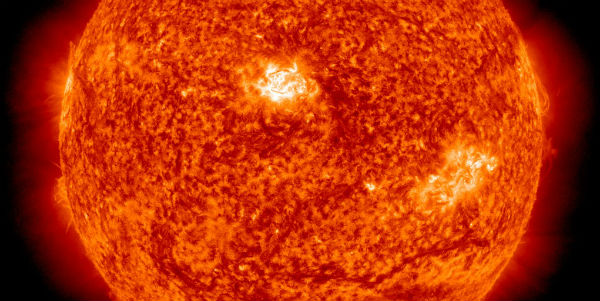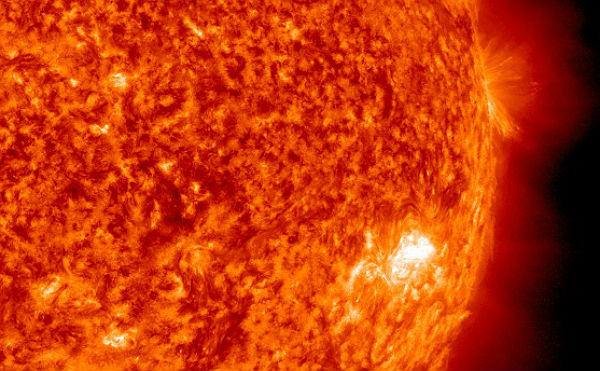
• Sunspot 1620 generated M2.2 solar flare

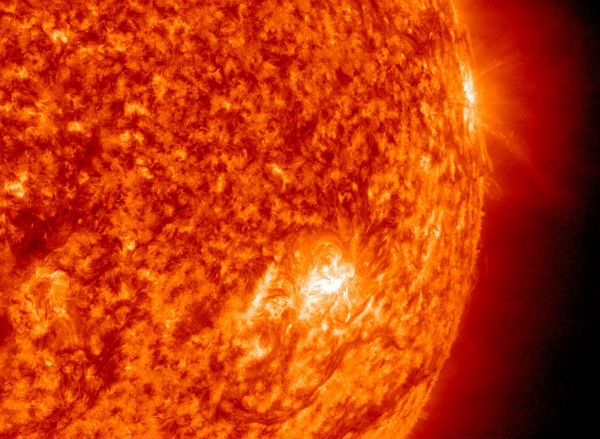
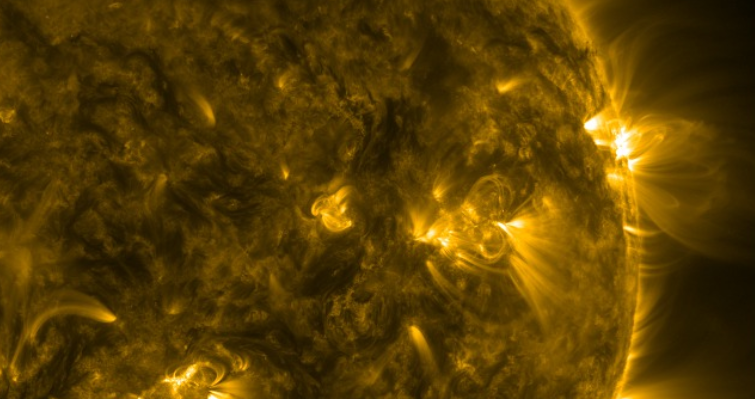
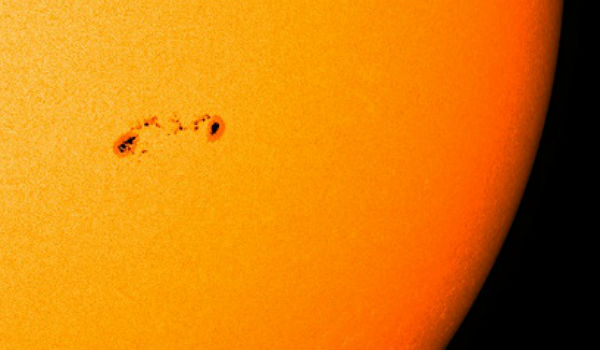
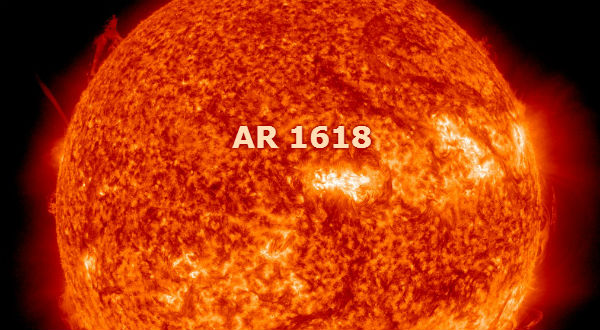
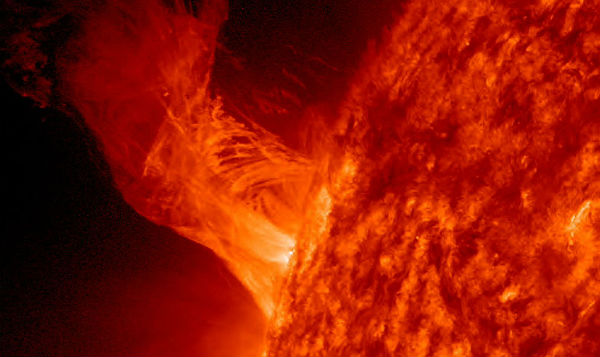
    Sunspot 1620 produced M2.2 solar flare with peak at 21:36 UTC on November 28, 2012. Fast growing sunspot AR1620 has a beta-gamma-delta magnetic field that harbors energy for X-class solar flares. M-class activity is also possible from region AR 1618 which has now

  • Growing Sunspot 1620 produced moderate M1.1 solar flare

    Moderate solar flare reaching M1.1 peaked at 21:05 UTC on November 27, 2012. The event originated in Region 1620, and was followed by C7.1 flare two hours later (from the same region).This is second M-class event of the day. Region 1618 already produced M1.6 solar

  • Moderate solar flare reaching M1.6 erupted from Region 1618

    After some quiet time Region 1618 erupted with another M-class solar flare. This latest event started at 15:52, peaked at 15:57 UTC at M1.6 and ended at 16:03 UTC on November 27, 2012. Region 1618 still has Beta-Gamma-Delta magnetic configuration capable of producing

  • Fast growing sunspot AR 1620 harbors energy for strong flares

    Five sunspot groups were reported today by Catania. Sunspots AR 1618 and AR 1620 have beta-gamma-delta and beta-gamma configurations of their photospheric magnetic field, respectively, and are being closely monitored for further flaring activity. NOAA/SWPC forecasters

  • Popping M-class flares – M3.5 solar flare erupted at 15:30 UTC

    Region 1618 is popping one M-class solar flare after another. On November 21, 2012 it erupted with M3.5 solar flare peaking at 15:30 UTC. This is second M-class solar flare of the day, the second M-class from Region 1618 today, and fourth M-class solar flare in last 24

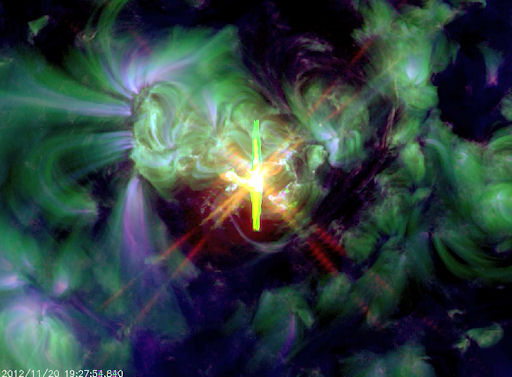
  • Moderate solar flare reaching M1.7 erupted from Sunspot 1611

    A moderate solar flare reaching M1.7 peaked at 12:41 UTC on November 20, 2012. This event originated from Active Region 1611 located on northwest limb and was not Earth directed. NOAA SWPC forecasters estimated there was 30% chance for an M-class event today and 5% for