• Solar filament channel eruption and aurora forecast

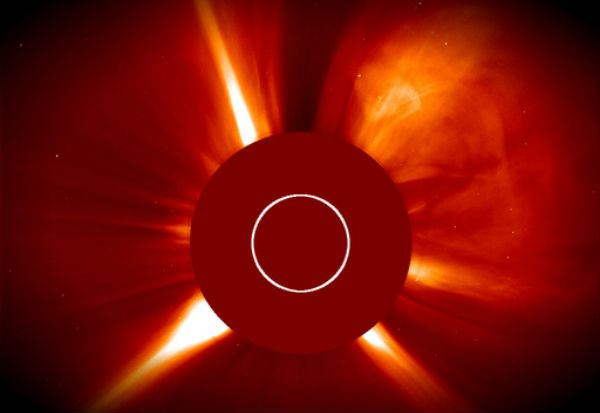
    A Coronal Mass Ejection (CME) is seen in the latest STEREO Ahead COR2 images on Thursday morning, and the source appears to be a filament channel eruption near region 1419 in the northwest quadrant. After a close look, the expanding cloud appears to be directed mostly

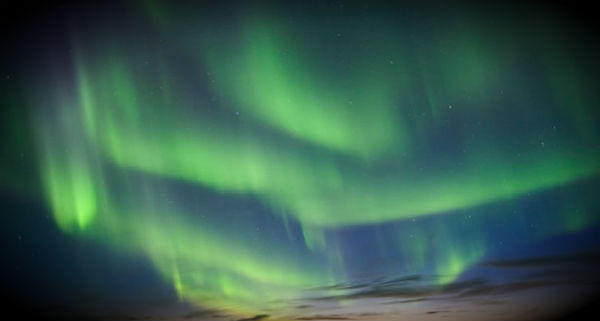
  • Subsiding geomagnetic storm with beautifull auroras

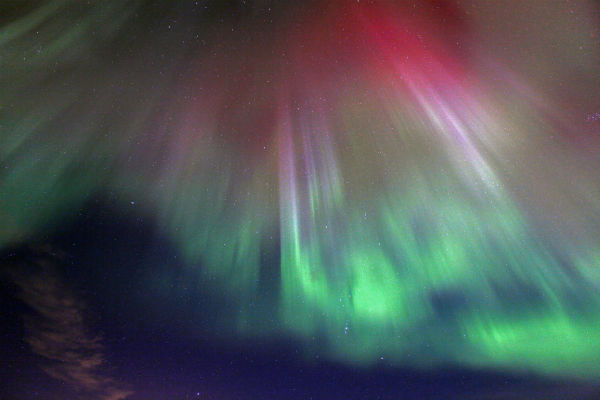
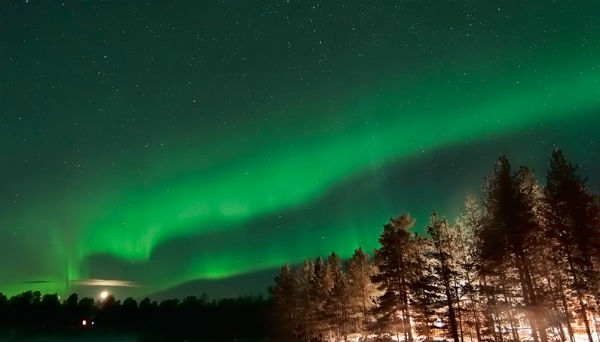
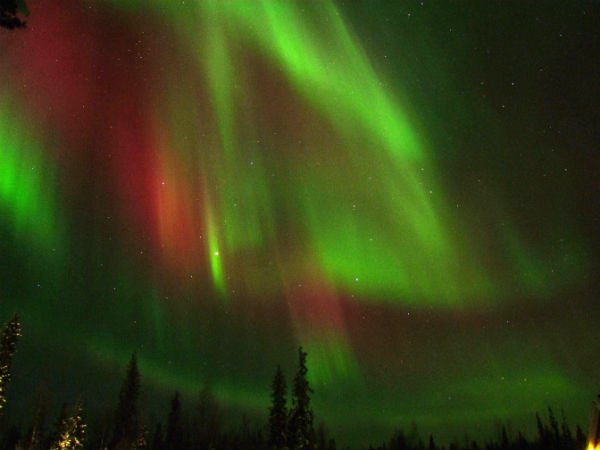
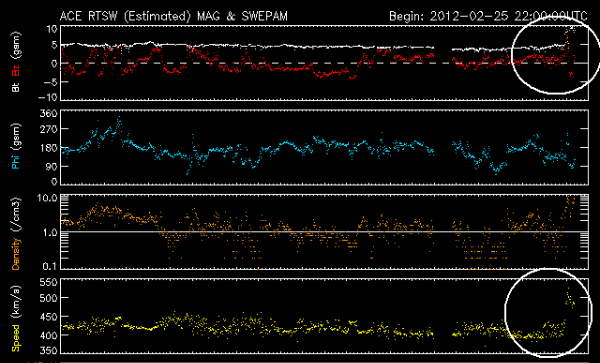
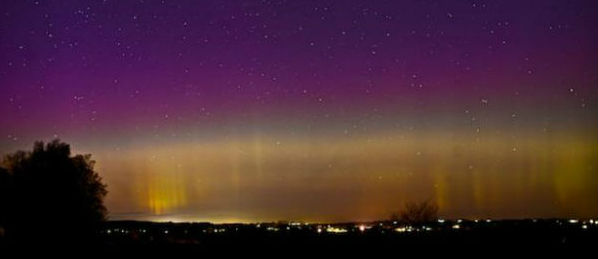
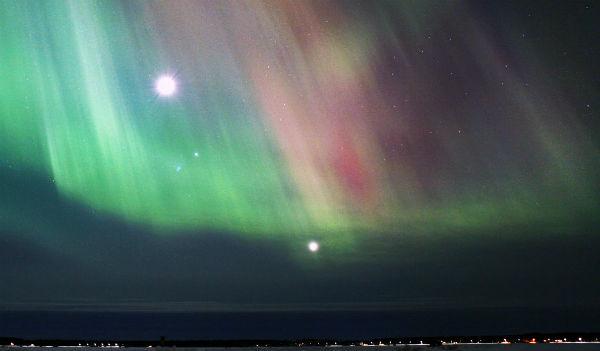
    The expected CME impact sparked aurora lights around the Arctic Circle on Feb. 14th. The display was probably caused by a CME, launched from the sun on Feb. 10th. Solar wind poured in and fueled a G1-class geomagnetic storm (Kp index was at level 5). Our

  • Return of the old Sunspot 1402

    After two-week long transit around the far side of the Sun, Sunspot 1402 has returned into view in the northeast quadrant. Sunspot 1402 is now re-numbered as Sunspot 1419. This region is smaller than it was before, after two weeks of decay. On January 27 it unleashed

  • Coronal mass ejection to reach planet on February 14

    Coronal mass ejection (CME) is seen in the latest images, as the result of a filament lifting off in the northern hemisphere. Geomagnetic field activity is expected to increase to unsettled to active levels, with high latitude minor storm intervals. It could produce

  • Solar activity is picking up again

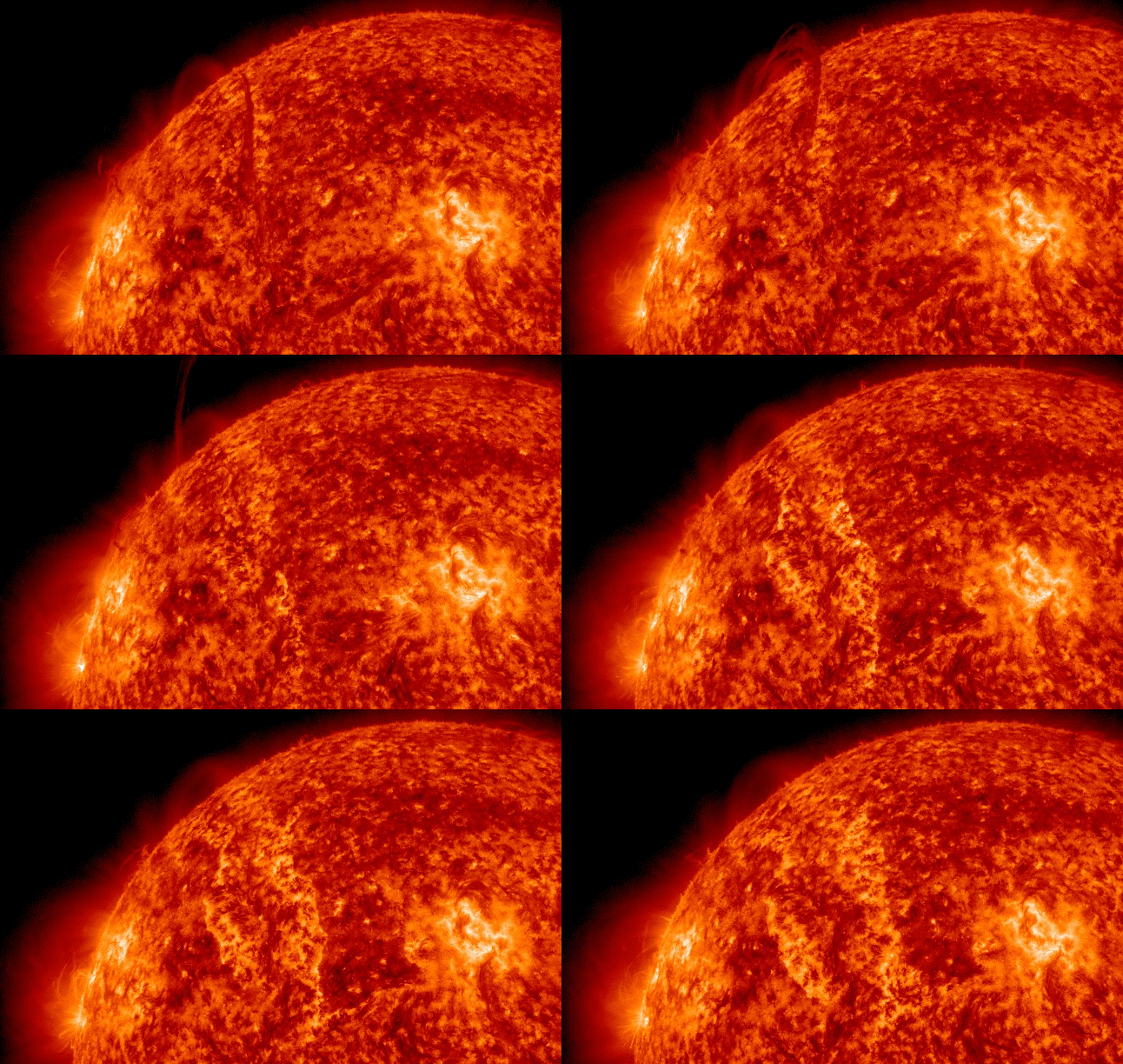
    Explosion of dark magnetic filament occurs over the northeastern limb during the late hours of February 9th. Explosion generated a bright coronal mass ejection (CME) that is heading toward Venus as it seems. Fortunatelly, this CME is not Earth-directed. Sunspot

  • Auroras seen around parts of the Arctic Circle

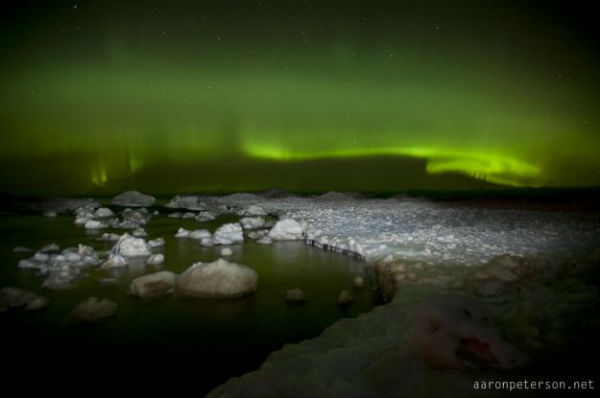
    Earth passed through a minor solar wind stream on Feb. 4-5. The weak impact of the solar wind was just enough to spark auroras around parts of the Arctic Circle. The effects of the solar wind are subsiding, and the auroras might disappear into the moonlight for the