• Major to extreme impacts expected across the central Sierra Nevada as Pacific storm moves into California

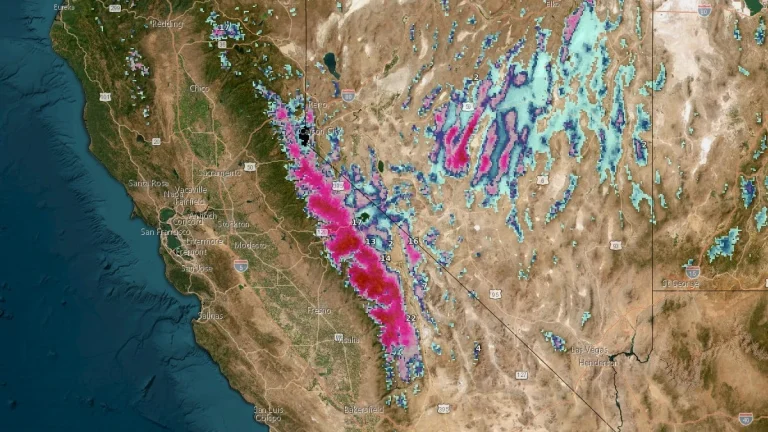
    A Pacific storm will move into California from the northwest between October 13 and 15, 2025, bringing widespread valley rain and heavy snow to the Sierra Nevada. Snowfall totals along the Sierra crest may reach 30–90 cm (12–36 inches), with hazardous driving conditions expected across Interstate 80 and other major passes. The National Weather Service warns that chain controls and travel delays are likely during the peak of the event.


  • Major flooding hits Pagosa Springs, Colorado

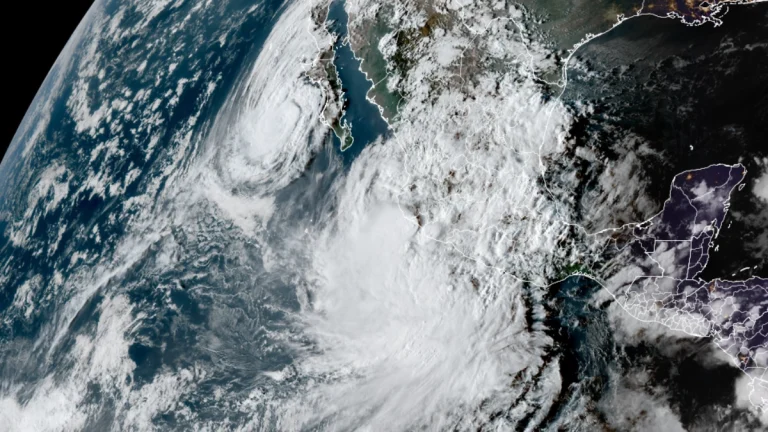
    Severe flooding struck Pagosa Springs, Archuleta County, Colorado, between October 10 and 12, 2025, as the remnants of Tropical Storm Priscilla delivered up to 160 mm (6.3 inches) of rain across the San Juan Mountains. The San Juan River recorded its third-highest crest since 1911, forcing evacuations, damaging about 90 homes, and closing sections of U.S. Highway 160. A local disaster emergency was declared, later expanded by the state, as additional rainfall remained in the forecast.

  • Nor’easter threat prompts emergency declaration in New Jersey

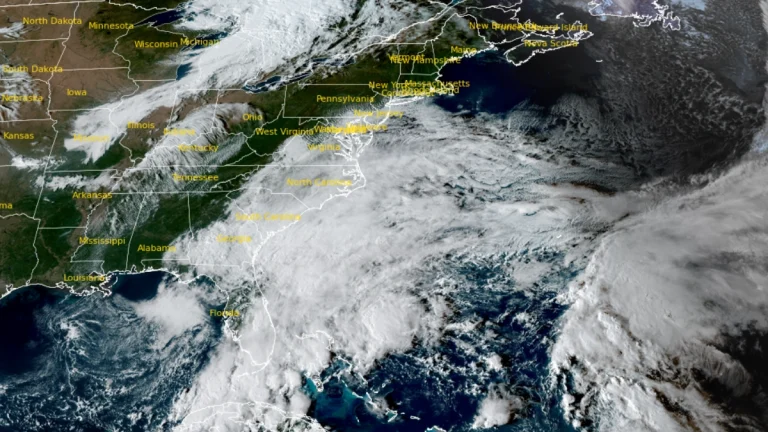
    A nor’easter is forming off the southeastern U.S. coast and is expected to move north through Monday, October 13, 2025. The system will bring heavy rain, strong winds, and flooding risks to parts of the Mid-Atlantic and New England. New Jersey has declared a statewide emergency ahead of the storm.

  • Subtropical Storm Karen forms in North Atlantic

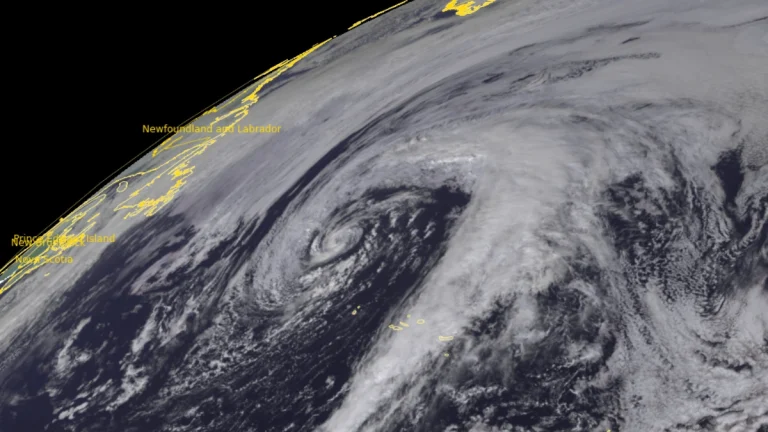
    Subtropical Storm Karen formed in the North Atlantic on October 10, 2025. and was named by the National Hurricane Center (NHC) at 03:00 UTC. The system is expected to weaken and make its post-tropical transition in the next two days.

  • Typhoon Matmo unleashes extreme rainfall and record river crests in northern Vietnam

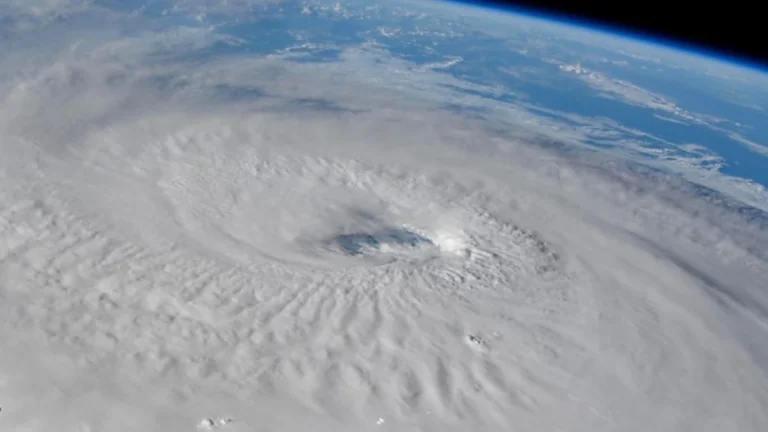
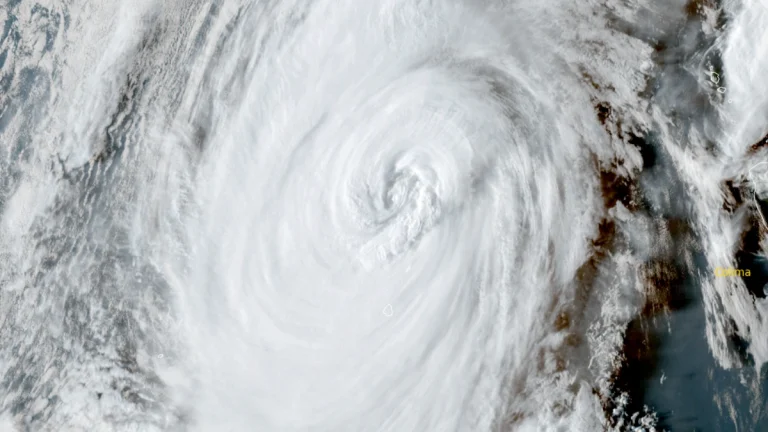
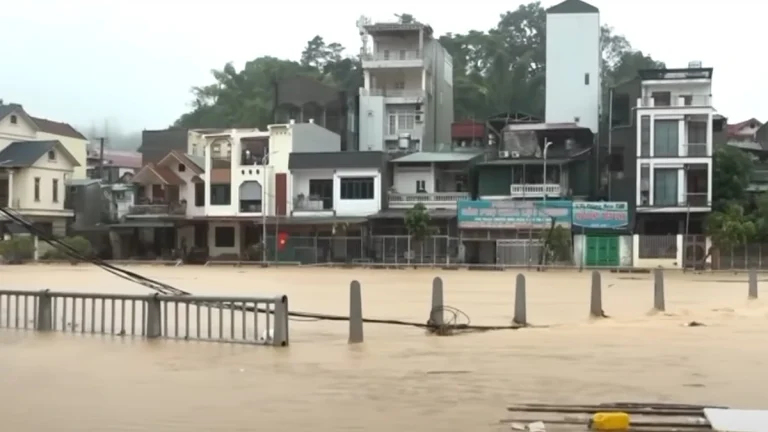
    Record floods inundated northern Vietnam from October 7 to 8 2025, after Typhoon Matmo brought up to 450 mm (17.7 inches) of rain across the region. Water levels on the Bang, Thuong, Trung and Cau rivers exceeded records set in 1986 and 2024, submerging large areas of Thai Nguyen, Lang Son, Cao Bang and Bac Ninh provinces. At least eight people died and five remain missing. The military deployed 30 000 personnel and thousands of boats as entire neighborhoods were left underwater.