• Scientists call for serious study of UFO phenomenon

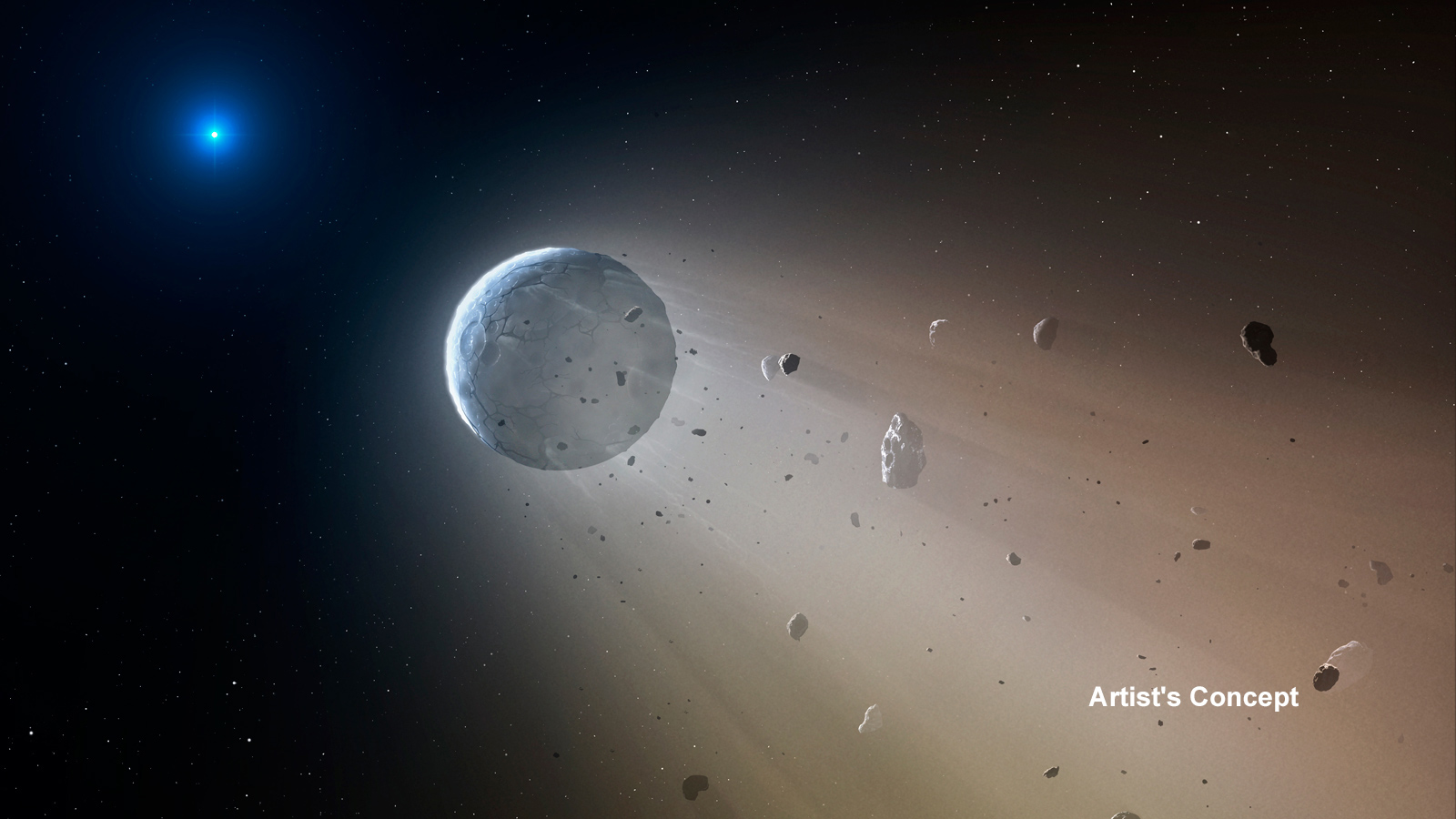
    The very mention of the word UFO still manages to provoke strong reactions from everyone. A couple of decades ago, people who believed in extraterrestrial life and UFOs were socially derided, considered conspiracy theorists at best and mentally challenged loons at…
  • The first age map of the Milky Way’s halo produced

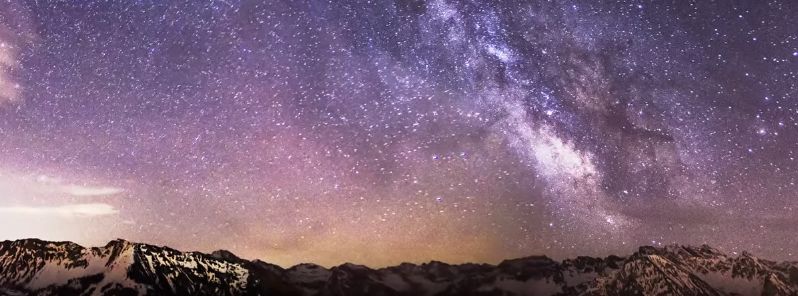
    An international team of scientists, lead by Galactic Archaeology group of the University of Notre Dame, France, has managed to produce the first chronographic age map of the Milky Way's halo using a sample of stars from the Sloan Digital Sky Survey. Scientists…

  • Science behind “booming” and “burping” sand dunes explained

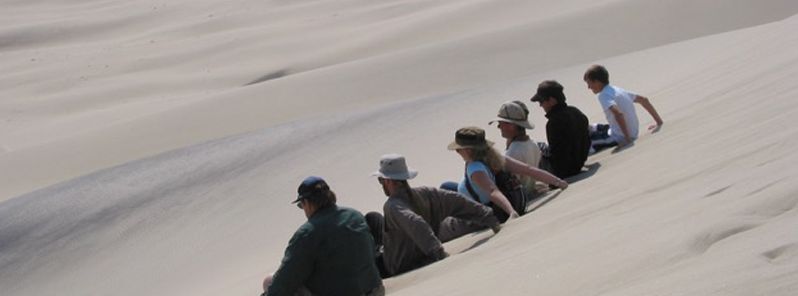
    Research team from California Institute of Technology (Caltech) and the University of Cambridge has explained the science behind the loud, rumbling "booming" or short "burping" sounds produced by sand avalanches from dune faces in Death Valley…

  • Solar storms can be much more powerful than previously assumed

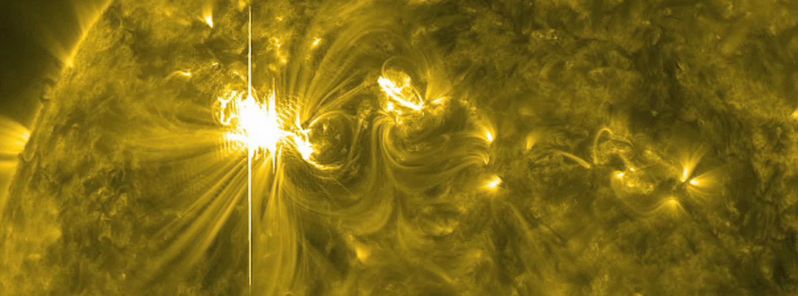
    An international team of scientists discovered that solar storms can be much more powerful and devastating than we know. By analyzing traces of solar storms in ice cores from Greenland and Antarctica, researchers concluded that Earth was hit by two extreme solar…

  • Comet 67P’s mysterious form

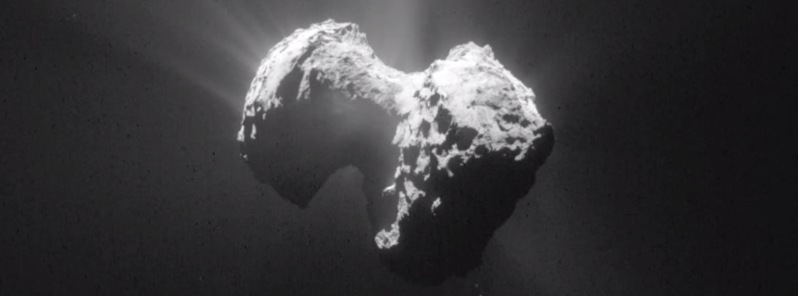
    The team behind The ThunderBolts Project has started a new series of reports that will discuss the latest scientific papers on the European Space Agency’s Rosetta mission to comet 67P. In addition to countless unresolved puzzles facing comet scientists, they…

  • NASA confirms liquid water flows on Mars

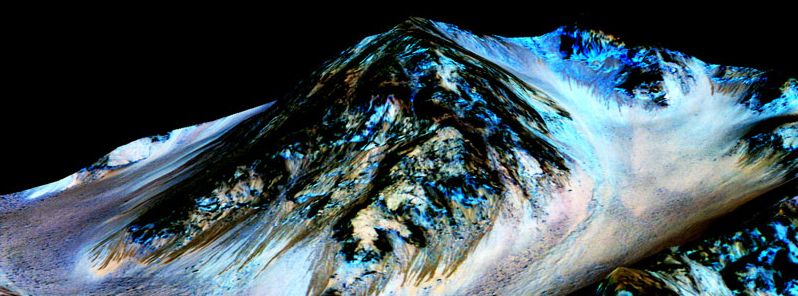
    The strongest evidence so far, provided by NASA's Mars Reconnaissance Orbiter (MRO) confirms that liquid water flows intermittently on Mars, NASA stated in their public announcement on September 28, 2015. NASA's MRO has provided new data, proving the existence o

  • New research reveals a global ocean beneath Saturn’s moon Enceladus

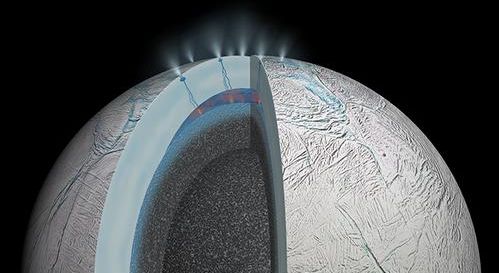
    Scientists have discovered a global ocean underneath the icy crust of Enceladus, the geologically active Saturn's moon. The discovery has been made by using data from NASA's Cassini mission, NASA announced on September 15, 2015.Researchers have come to this conc