• New Earth-like exoplanet discovered, only 39 light years away

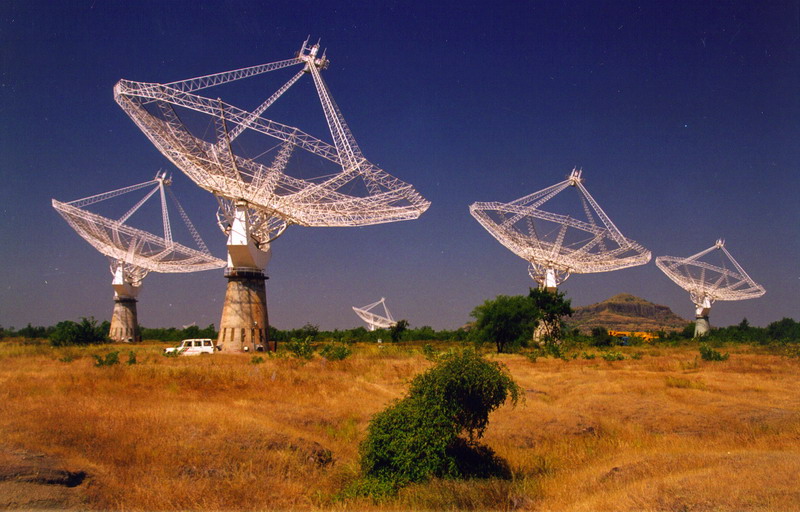
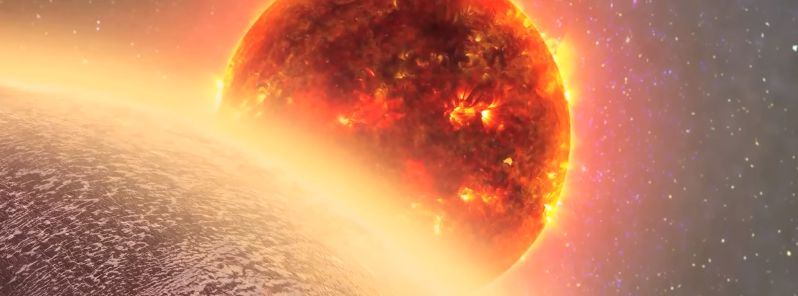
    Scientists have discovered a new exoplanet in our stellar neighborhood, only 39 light years from Earth, Massachusetts Institute of Technology announced on November 11, 2015. The planet shows no signs of being capable of hosting any life, however it is the closest…
  • Astronomers discover the farthest planetoid in the Solar System

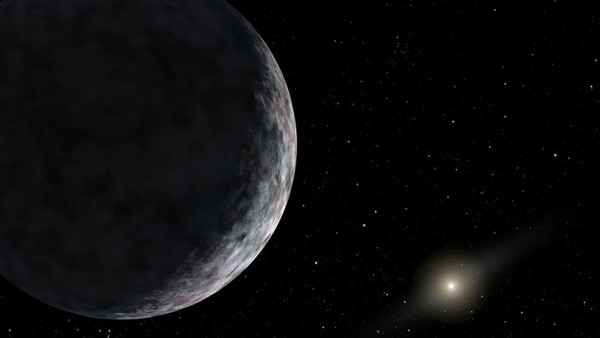
    Astronomers have spotted a dwarf planet which is three times farther away than Pluto. This makes it the farthest object discovered in the Solar System. Once its orbit is ascertained, planetoid V774104 may teach researchers a lot about the early Solar System. The…

  • New Horizons recent Pluto flyby yields numerous exciting discoveries

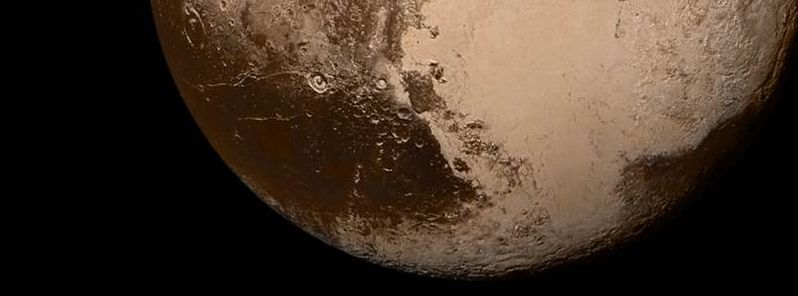
    NASA's New Horizons science team gathered on the 47th Annual Meeting of the American Astronomical Society's Division for Planetary Sciences in National Harbor, Maryland, taking place from November 8 to 13, 2015, to discuss numerous exciting discoveries that…

  • Evidence of large ancient earthquakes of the Cascadia fault

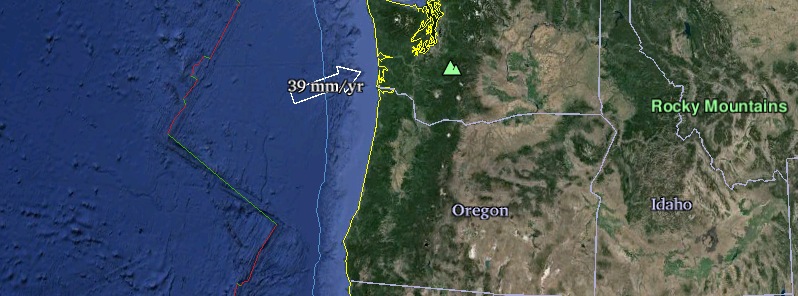
    The coastal salt marshes of the Cascadia subduction zone (CSZ) preserve evidence from several large earthquakes, between 8 and 9 in magnitude, according to paleoseismologists. So far, the scientists have been using only the stratigraphic data records to gain insight…

  • NASA study claims Antarctica gains ice, not contributing to sea level rise

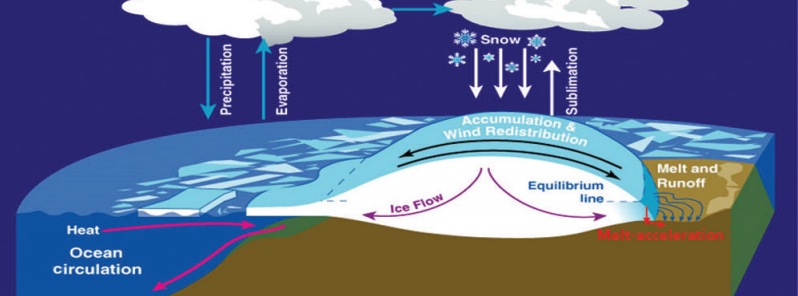
    A new study led by NASA's glaciologists Jay Zwally, says that an increase in Antarctic snow accumulation that began 10 000 years ago is currently adding enough ice to the continent to outweigh the increased losses from its thinning glaciers. The research…

  • Black hole experiences massive X-ray flare

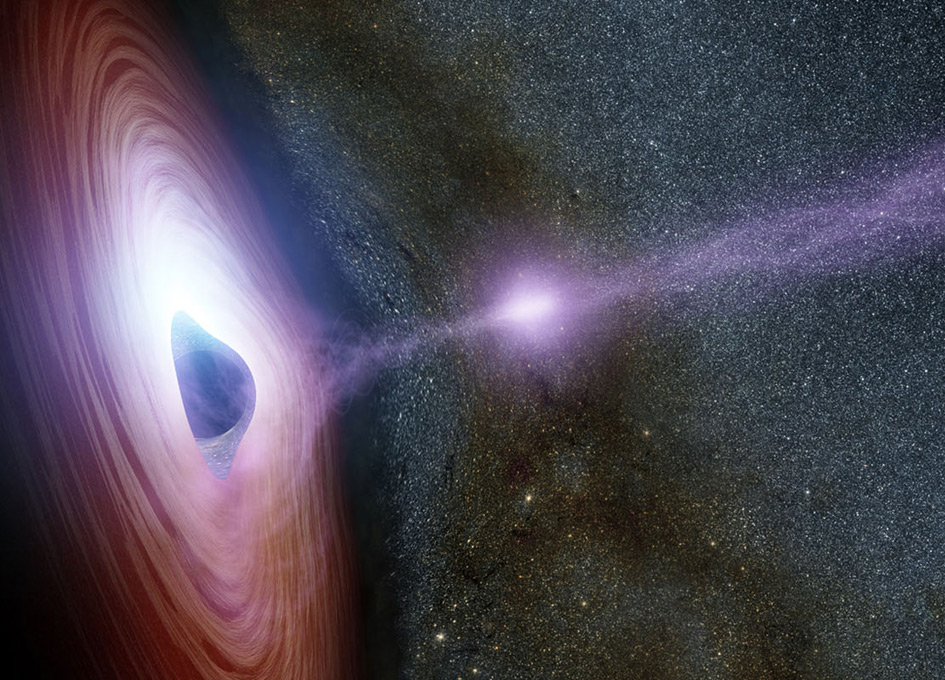
    Black holes have always been one of the most mysterious and awe inspiring objects in space. Astronomers have known for some time that black holes periodically emit very powerful flares into space. New observations from NASA's Explorer missions Swift and the…