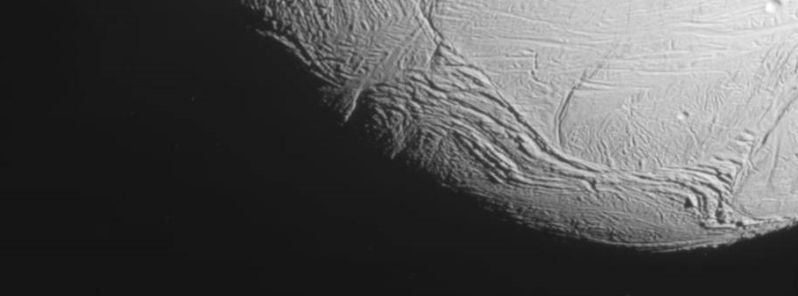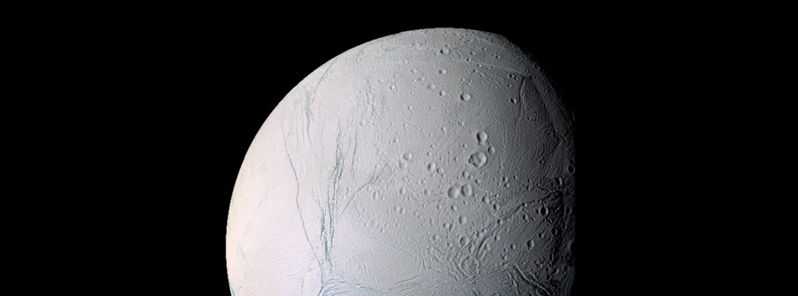
• First raw image from Enceladus’ October 28 flyby now available

    First image of Saturn's moon Enceladus has been received from the Cassini spacecraft, NASA reported on October 30, 2015. NASA's Cassini spacecraft was scheduled to perform its deepest-ever dive through the icy plume of Saturn's moon Enceladus on October…

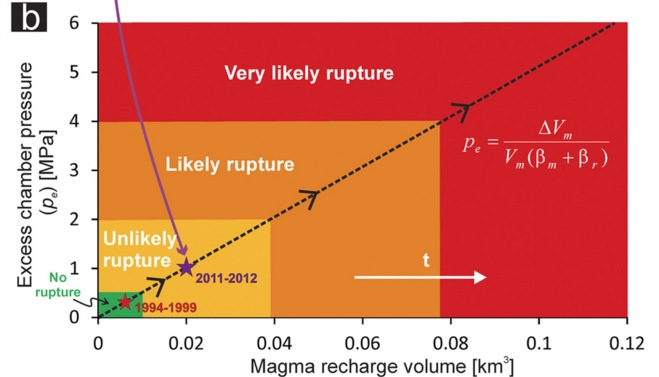
  • New method for predicting volcanic eruptions yields promising results

    A group of UK scientists from the Royal Holloway, University of London, has developed a new method to determine which conditions are needed to facilitate a volcano eruption. Researchers have used the data collected during eruptions of the Santorini volcano to…

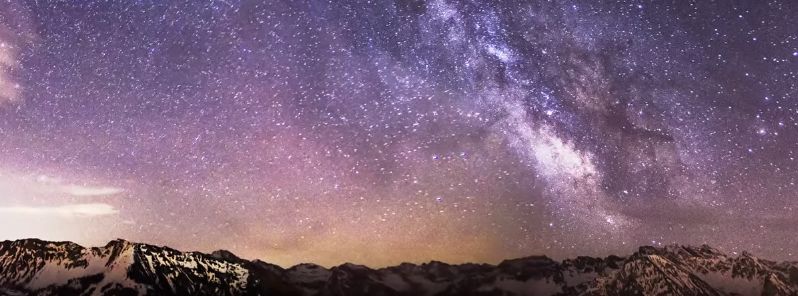
  • The first age map of the Milky Way’s halo produced

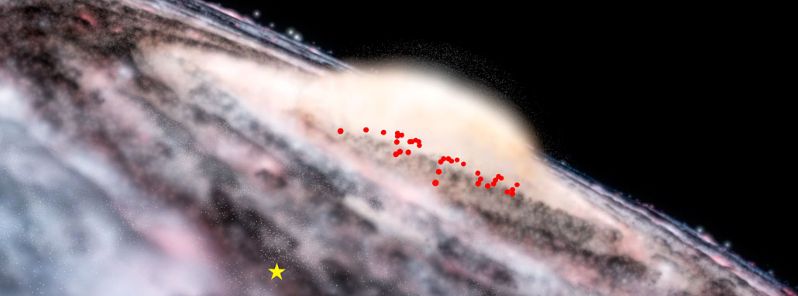
    An international team of scientists, lead by Galactic Archaeology group of the University of Notre Dame, France, has managed to produce the first chronographic age map of the Milky Way's halo using a sample of stars from the Sloan Digital Sky Survey. Scientists…

  • Science behind “booming” and “burping” sand dunes explained

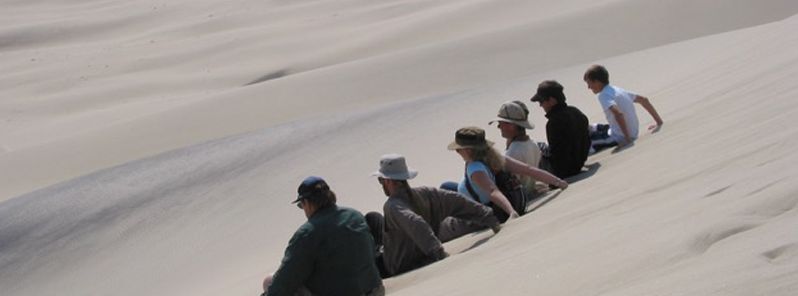
    Research team from California Institute of Technology (Caltech) and the University of Cambridge has explained the science behind the loud, rumbling "booming" or short "burping" sounds produced by sand avalanches from dune faces in Death Valley…

  • Scientists create a Star Trek like tractor beam

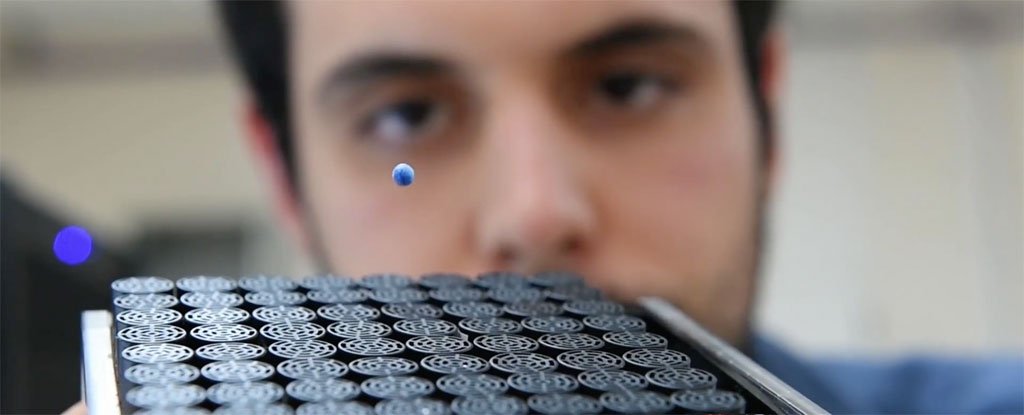
    Since Star Trek, tractor beams have been the staple of space based science fiction. However, a group of researchers belonging to the Universities of Sussex and Bristol, in collaboration with ultrasound technology startup Ultrahaptics, have actually created a sonic…

  • Solar storms can be much more powerful than previously assumed

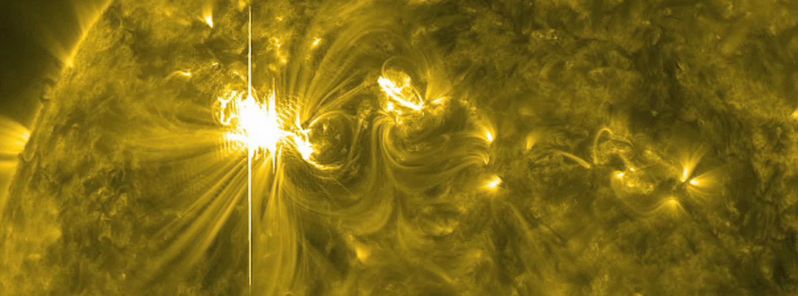
    An international team of scientists discovered that solar storms can be much more powerful and devastating than we know. By analyzing traces of solar storms in ice cores from Greenland and Antarctica, researchers concluded that Earth was hit by two extreme solar…