• Venus’ early climate could have sustained life

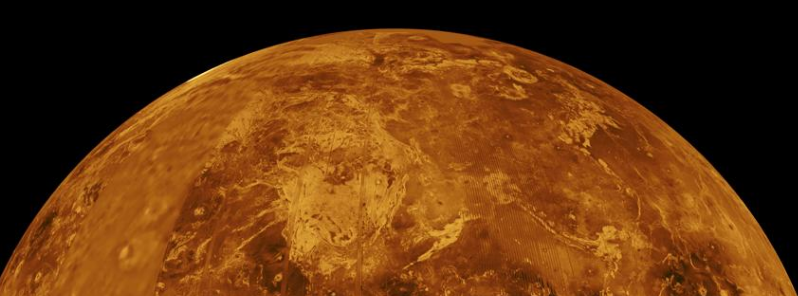
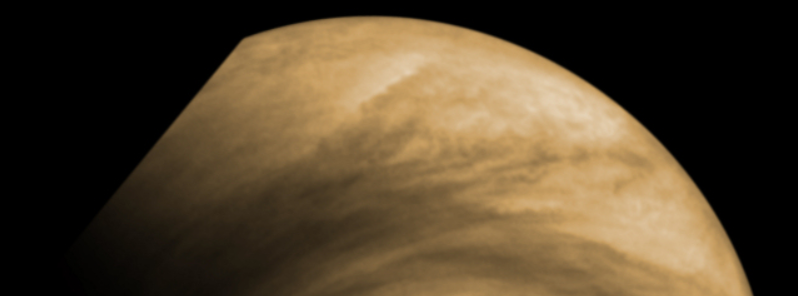
    New research, led by scientists from the NASA Goddard Institute for Space Studies, suggests Venus and Earth closely resembled each other during the early days of the Solar System, between one and two billion years ago. Venus, now the hottest planet in our Solar…

  • New form of light created

    A new study performed by the scientists from the Imperial College London suggests it is possible to bind light to a single electron and create a new form of light. The new light form's properties would lead to circuits that work with packages of photons instead…

  • Venus weather patterns reveal planet’s surface

    New research, based on data from ESA's Venus Express satellite, for the first time reveals how the weather patterns on Venus are directly connected to the surface topography of the planet. Results suggest the Venus' thick cloud cover could offer further…

  • Jupiter’s Great Red Spot heats planet’s upper atmosphere

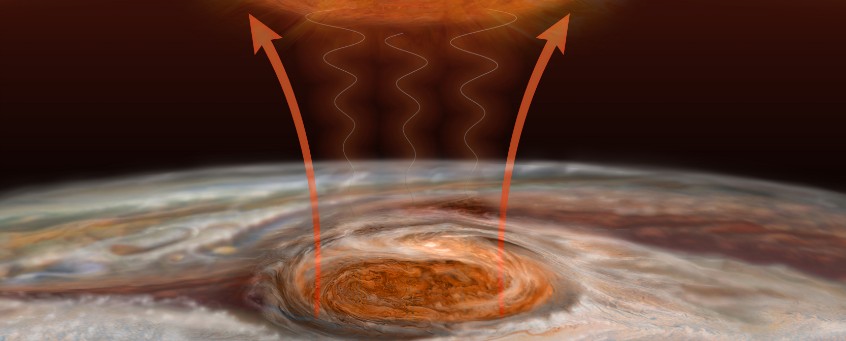
    Researchers from Boston University's (BU) Center for Space Physics report that Jupiter's Great Red Spot may provide the mysterious source of energy required to heat the planet's upper atmosphere to the unusually high values observed. The work, led by Dr…

  • Tropopause cooling a part of natural decadal cycle

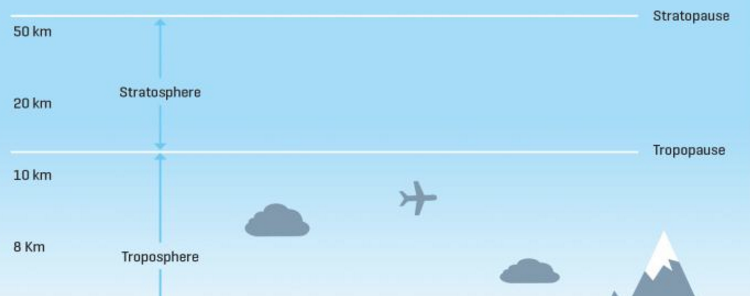
    The cooling trend observed in the late 20th century at the transition between the troposphere and stratosphere at an altitude of about 15 kilometers is usually believed to be caused by human influences. Now, climate scientists from Kiel And Bergen (Norway) have…

  • Study points to a new paradigm in the star and star cluster formation

    A research team from Brazil discovered seven new star clusters, younger than 5 million years, and located far away from the Galactic disc. Two young stellar clusters, named Camargo 438 and Camargo 439 were found in the Galactic halo using NASA's Wide-field…