• Planet Nine tilts the Sun – Q and A with Caltech astronomers

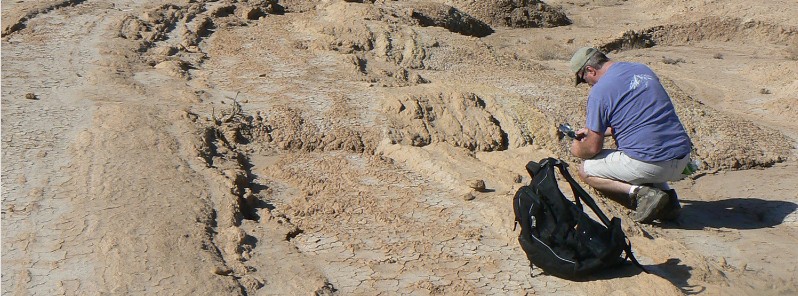
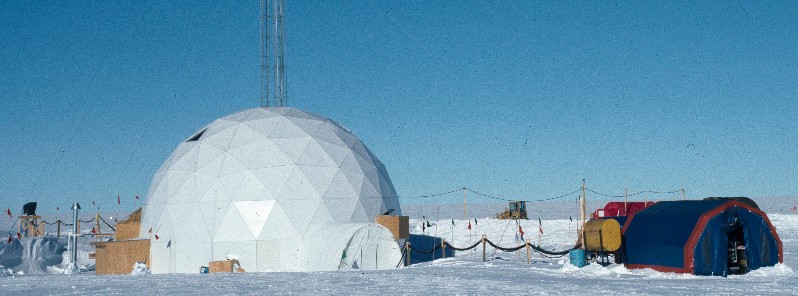
    The search for so-called Planet Nine – an undiscovered planet at the edge of the Solar System that was predicted by the work of Caltech's Konstantin Batygin and Mike Brown in January 2016 – has yielded another important realization. It appears to be responsible…
  • Van Allen radiation belts during an extremely rare solar wind event

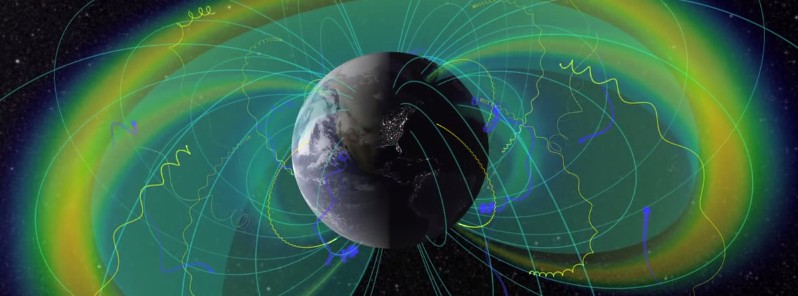
    Earth is embedded in the always-expanding atmosphere of the Sun, called the solar wind, which blows past planets to the edge of the Solar System. Solar wind is typically supersonic, faster than the speed of sound, and when it encounters planets, like Earth, a shock…

  • Moon hit by meteorites far more than predicted

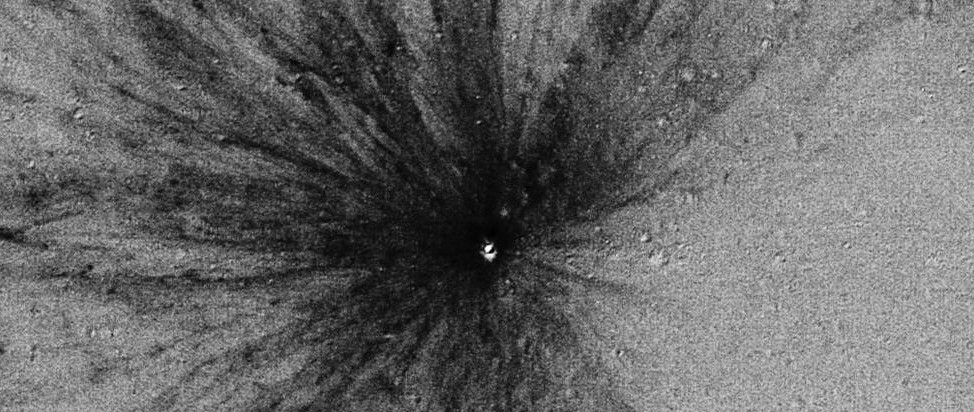
    In the past 7 years, meteorites have made at least 222 impact craters on the surface of the Moon which is 33% more than predicted, according to a new study published this week in Nature. The work is considered a significant advance in the field of crater chronology….

  • New ISS instrument to enhance knowledge on quantum phenomena

    Cold Atom Laboratory (CAL), the compact, atom-chip based scientific instrument, is expected to be installed on the International Space Station (ISS) during late 2017. The instrument will provide the scientific community with new, interesting, insights into quantum…

  • Unusual discovery: Stars with three planet-forming discs of gas

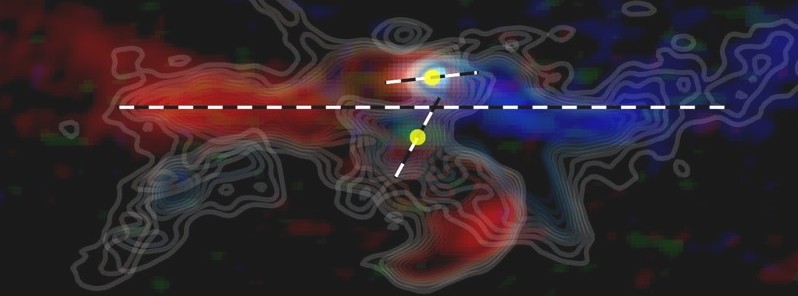
    Researchers from the Niels Bohr Institute in Germany have discovered a spectacular system consisting of two stars with three rotating planet-forming accretion discs around them. This is a binary star system where each star has its own planet-forming disc and in…

  • Sandy-like storm surges likely to become more frequent

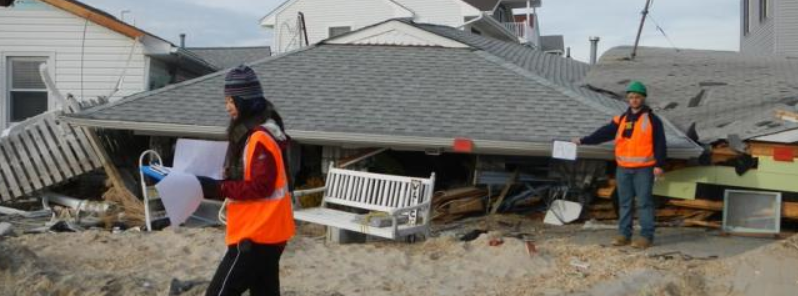
    Scientists from Princeton and Rutgers universities and the Woods Hole Oceanographic Institution developed a computer simulation which showed the storm-related flooding on the New York City coastline, on the similar scale to those of Hurricane "Sandy," will…

  • Alarming earthquake hazard in Afghanistan-Pakistan border region

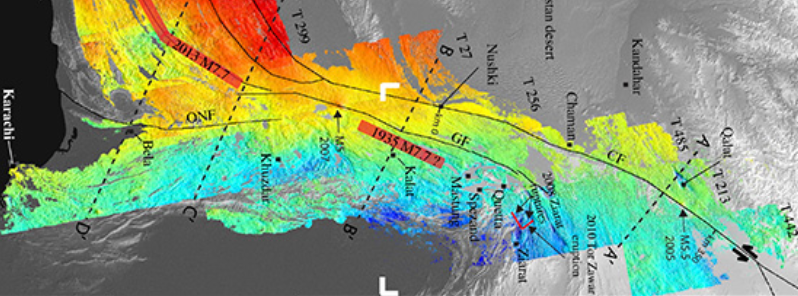
    A group of researchers from the University of Miami has discovered a new earthquake hazard in the border region between Afghanistan and Pakistan, in a study aimed at the major Chaman and Ghazaband faults in the region. The research showed the Ghazaband Fault holds a…

  • New fault line discovered near San Andreas in southern California

    Scientists from Scripps Institution of Oceanography and the Nevada Seismological Laboratory have discovered a new, potentially significant fault in southern California. Now named the Salton trough fault (STF), the newly discovered fault runs parallel to the San…

  • Atmospheric oxygen decline over the past 800 000 years

    Researchers from the Princeton University have compiled 30 years of data to construct the first ice core-based record of atmospheric oxygen concentrations spanning the past 800 000 years and showed that atmospheric oxygen has declined 0.7 percent relative to current…