• Beijing sinking more than 10 cm (4 inches) per year, China

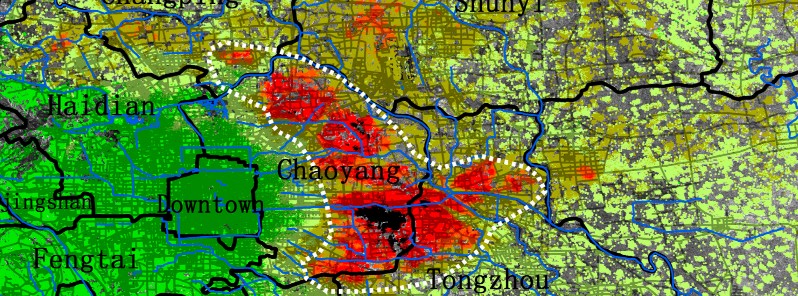
    According to a new study published in MDPI's open access journal Remote Sensing, the maximum subsidence in parts of China's Bejing is greater than 100 mm (4 inches) per year. Beijing is one of the most water-stressed cities in the world. Due to…
  • Antarctic ozone hole shows signs of healing

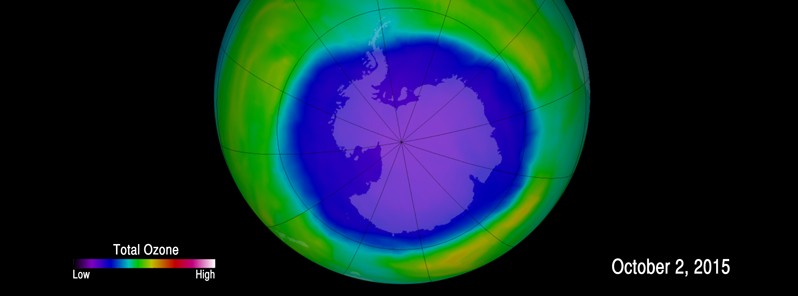
    An international team of scientists has observed first clear signs that the hole in the Antarctic ozone layer is beginning to close. Led by Professor Susan Solomon of the Massachusetts Institute of Technology, the team found that the September ozone hole had shrunk…

  • Human magnetic sixth sense breaks into mainstream science

    After decades of research proved that critters across the animal kingdom on Earth can sense our planet's magnetic field, a well-known geophysicist at the California Institute of Technology (Caltech), Joe Kirschvink, has presented the first repeatable and…

  • Whistling wormholes of the Caribbean

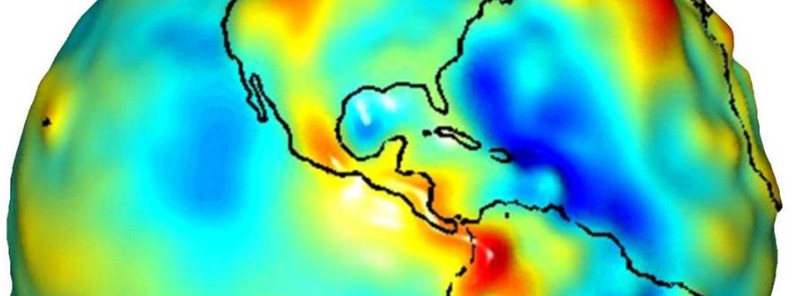
    A team of scientists led by Professor Chris Hughes (University of Liverpool, NOC) analyzed the Caribbean Sea levels and pressure readings taken from the bottom of the sea and noticed a new phenomenon which they have called a 'Rossby whistle.' The team has…

  • Pieces of opal discovered in a meteorite found in Antarctica

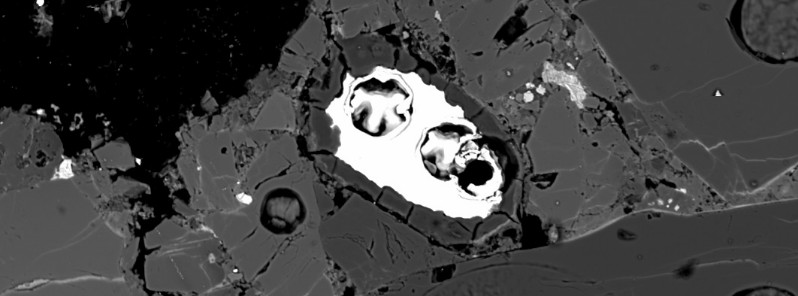
    Pieces of opal have been discovered in a meteorite found in Antarctica, a team of planetary scientists, led by Professor Hilary Downes of Birkbeck College London announced, at the National Astronomy Meeting in Nottingham on June 27, 2016. The discovery demonstrates…

  • A Sea of Charge: Oceanic microstructures

    Seawater is not very exciting when you look at it. It is, presumably, just water with salt and other minerals. To most of the denizens of Earth’s oceans, the sea is something quite different, a web of gel. According to an article from New Scientist magazine,…

  • Scientists discover a large-scale motion around San Andreas Fault

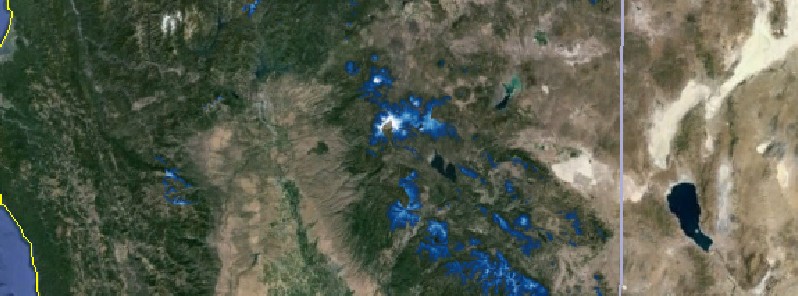
    A team of researchers from the University of Hawai'i at Mãnoa, University of Washington and Scripps Institution of Oceanography (SIO) analyzed the motion of Earth's crust from the data collected by an array of GPS instruments placed near the San…

  • Electric fields around Venus stripped its atmosphere of water components

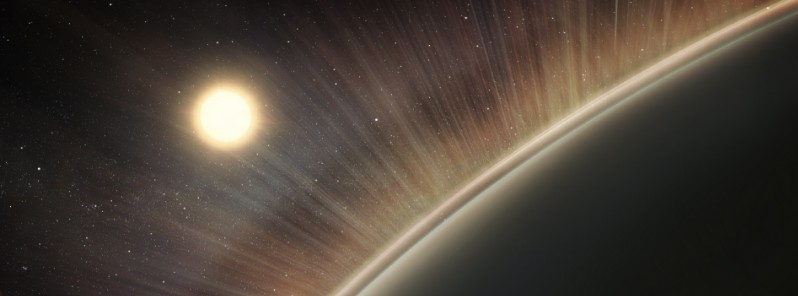
    Scientists using data obtained by ESA's Venus Express have discovered a strong electric field around the planet Venus. Venus' electric field is at least 5 – 10 times stronger than Earth's and it seems it played a crucial part in removing water components…