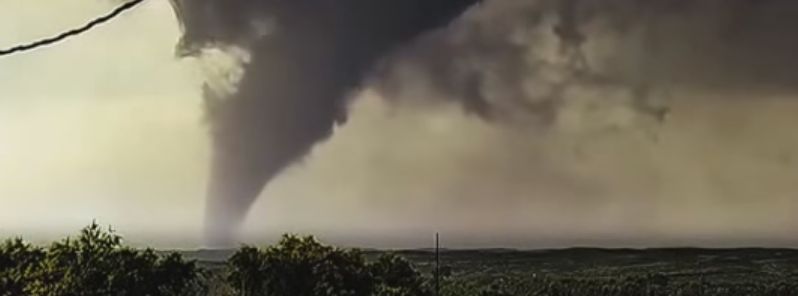
• Study warns tornadoes in Europe are an underestimated threat

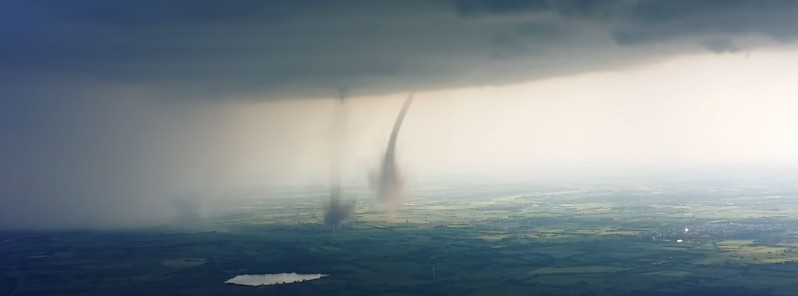
    A new research paper warns that although tornadoes in Europe cause injuries, fatalities, and damages, their threat is not widely recognized and is underestimated. To increase awareness of tornadoes and their threat to the continent, authors of the paper propose a…
  • Extreme US rainfall events could increase up to 400%

    A new research, conducted by the scientists at the National Center for Atmospheric Research (NCAR) shows the intense summer storms that produce extreme rainfall may increase by over 400% across portions of the US, including the Gulf Coast, Atlantic Coast, and the…

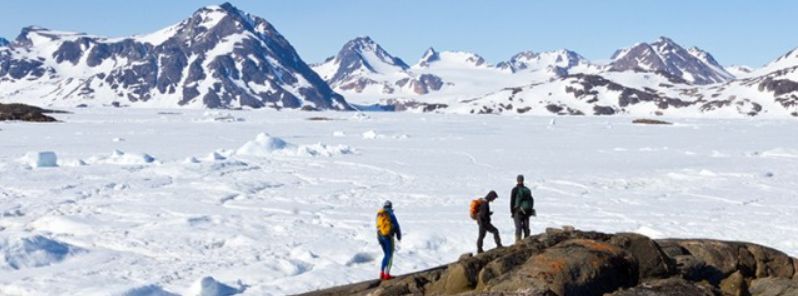
  • Reconstructing ice sheet erosion dynamics of East Greenland

    Researchers from Lawrence Livermore National Laboratory, University of Vermont, Boston College and Imperial College London have reconstructed the dynamics of ice sheet erosion in the East Greenland over the last 7.5 million years. The scientists have used marine…

  • Extreme tornado outbreaks becoming more frequent in US

    A new research suggests the frequency and magnitude of outbreaks of extreme tornado events have increased in the US over the last 50 years. However, the relationship between the events and the climate change is still not revealed and will require further research….

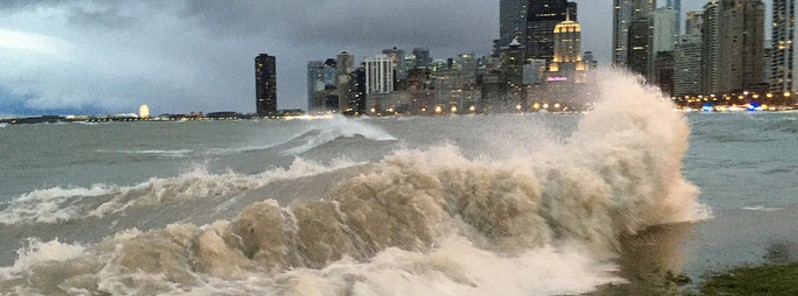
  • Meteotsunamis, an underrated hazard in the Great Lakes

    A team of scientists led by the University of Wisconsin-Madison has found that small, 30 cm (1 foot), meteotsunamis happen more than 100 times per year on the Great Lakes, while larger ones of nearly 90 cm (3 feet) occur once per year on average. The timing of most…

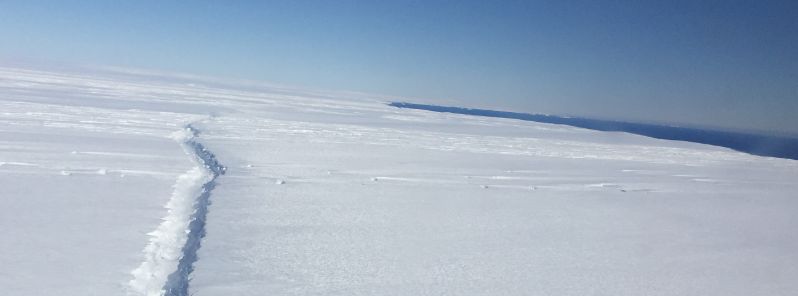
  • West Antarctic Ice Sheet breaking apart from the inside out

    A new study has found the glacier bounding the West Antarctic Ice Sheet is breaking apart from the inside out. The Pine Island Glacier, one of the glaciers which will probably rapidly retreat, forms an important part of the ice shelf of the West Antarctic Ice Sheet….

  • Earth’s surface acts like liquid after deadly asteroid impact

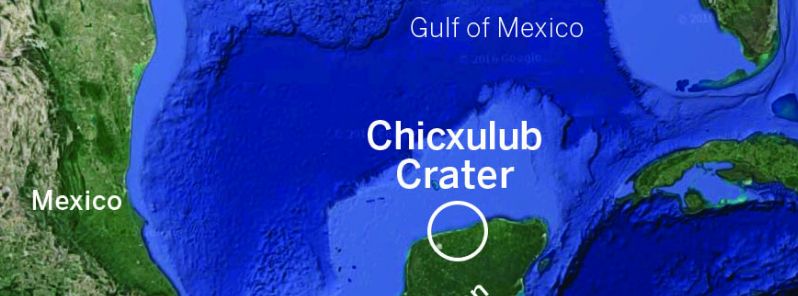
    A new research of a large 66 million years old asteroid crater, likely responsible for wiping out the dinosaurs and majority of other life on Earth, revealed how such impacts can cause a surface to behave like liquids, thus possibly providing habitats for emerging…

  • Water reservoir detected 1 000 km below Earth’s surface

    Scientists have discovered water about 1 000 km (620 miles) below the Earth's surface. The discovery suggests our planet's mantle may contain much more water, and at much bigger depths, than previously thought. The water reservoir was found about one-third…