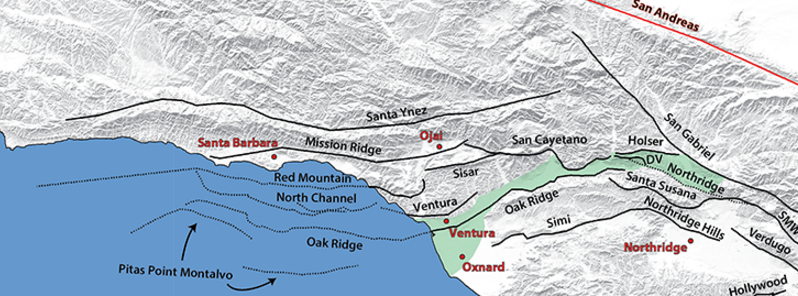
• Ventura fault can cause stronger shaking and more damage

    A new study suggests that the fault under Ventura, California would cause stronger shaking during an earthquake and more damage that previously suspected. The Ventura Fault, also known as Ventura-Pitas Point fault, in southern California has been the focus of a lot…
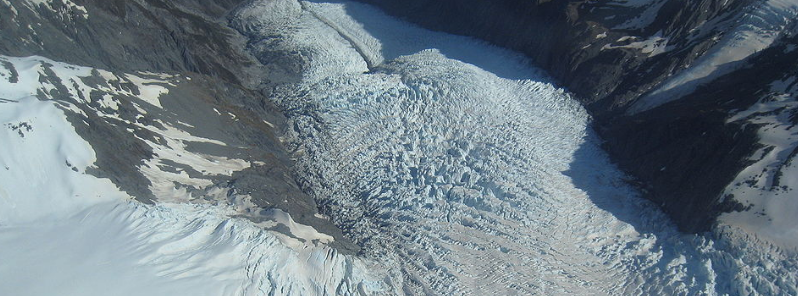
  • Climate anomaly responsible for glacial growth in New Zealand

    A new research carried out by scientists from the Victoria University of Wellington and the National Institute of Water and Atmospheric Research (NIWA) shows that regional climate variability caused an “unusual” period in which some of New…

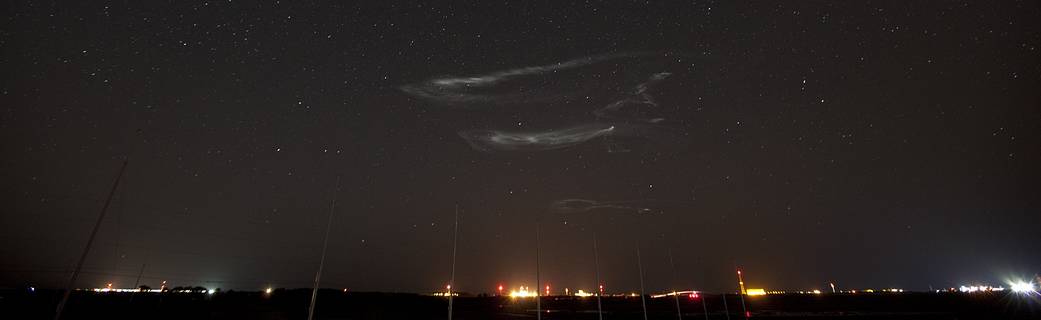
  • Creating artificial clouds to study aurora

    NASA will launch an interesting sounding rocket from the Poker Flat Research Range, Alaska, between February 13 and March 3, 2017, and will form white artificial clouds during its brief, 10-minute flight, to study auroras. The rocket is one of five being launched…

  • Huge reservoir of melting carbon discovered under Western US

    Scientists using the world's largest array of seismic sensors found a huge area of melting carbon covering 1.8 million km2 (684 000 mi2), 350 km (217.5 miles) beneath the Western US. The discovery challenges accepted the understanding of how much carbon the…

  • Earth’s water comes from within

    A new study published recently in Earth and Planetary Science Letters suggests that much of our planet's water comes from within, rather than arriving from space through collisions with ice-rich comets. The study also suggests that chemical reactions responsible…

  • Scientists found ‘lost continent’ under Mauritius

    An international team of scientists has confirmed the existence of a 'lost continent' under the Indian Ocean island of Mauritius that was left-over by the break-up of the supercontinent, Gondwana, which started about 200 million years ago. The piece of…

  • Fermi sees gamma rays from Sun’s far side

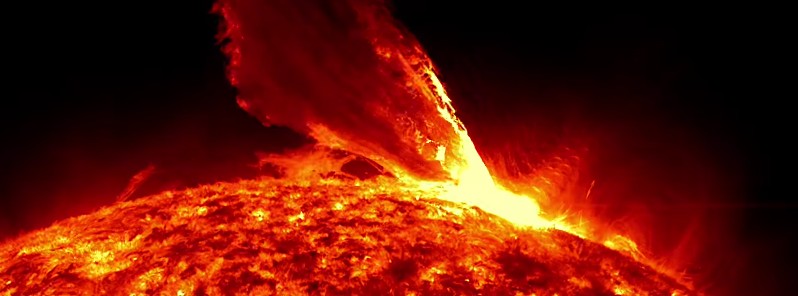
    Fermi Gamma-ray Space Telescope has observed high-energy light from solar eruptions located on the Sun's far side, which should block direct light from these events. This apparent paradox is providing solar scientists with a unique tool for exploring how charged…

  • Incredibly rapid gas flares detected from SS Cyg

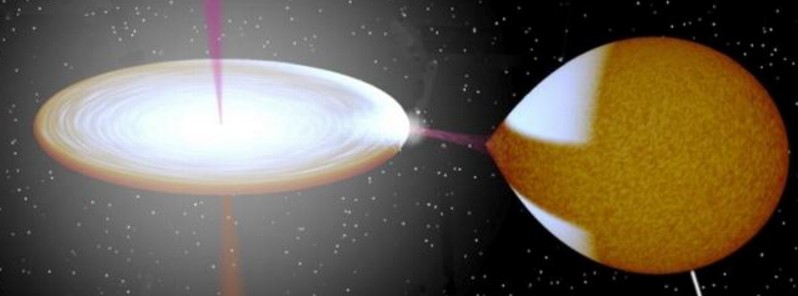
    Oxford University scientists have detected incredibly rapid gas flares from a dwarf binary star system. This is the first sighting of such activity and it suggests that our current understanding of star habits and their capabilities is incomplete. The rapid flares,…

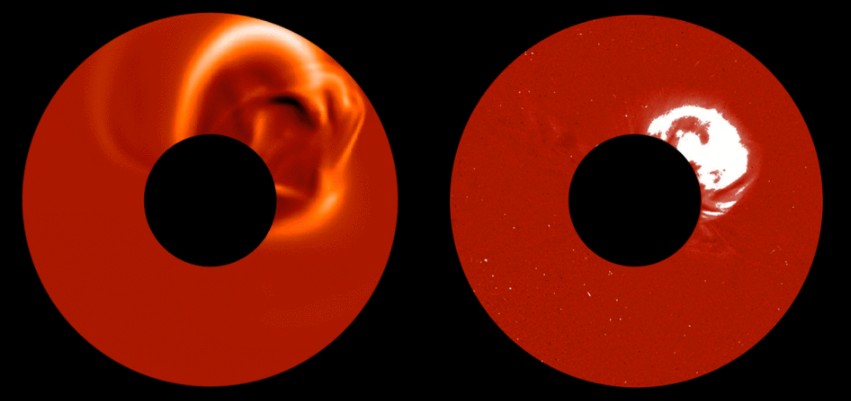
  • EEGGL – New space weather model available to the public

    A team at the University of Michigan has developed a new space weather model called EEGGL, short for the Eruptive Event Generator (Gibson and Low), in an effort to help researchers better understand how the Sun will affect near-Earth space, and potentially improve…

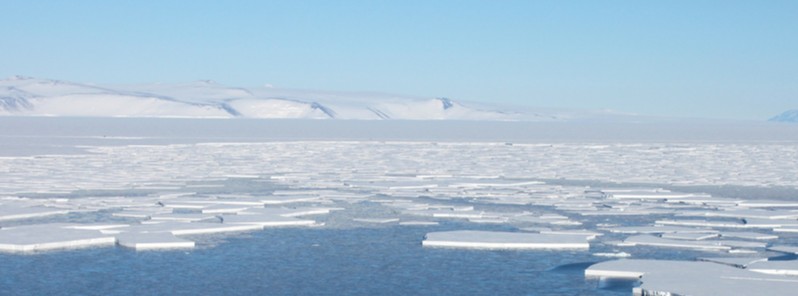
  • Study links Earth’s orbital variations, sea ice and ice ages

    Earth is currently in what climatologists call an interglacial period, a warm pulse between long, cold ice ages when glaciers dominate our planet's higher latitudes. For the past million years, these glacial-interglacial cycles have repeated roughly on a…