• Supersonic plasma jets discovered

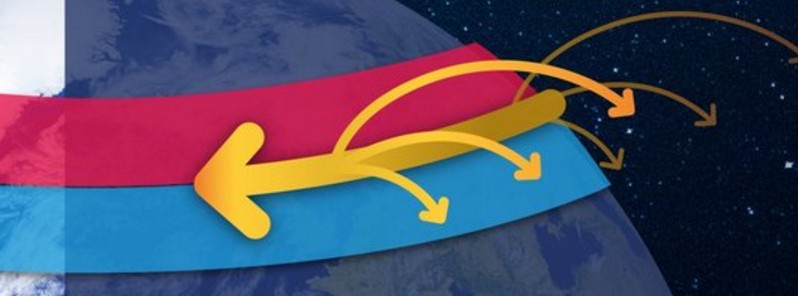
    Scientists analyzing data obtained by Swarm trio of satellites have discovered supersonic plasma jets high up in our atmosphere that can push temperatures up to almost 10 000 °C (18 000 °F). The discovery was presented at this week’s Swarm Science…
  • K-Cor promises earlier space weather warnings

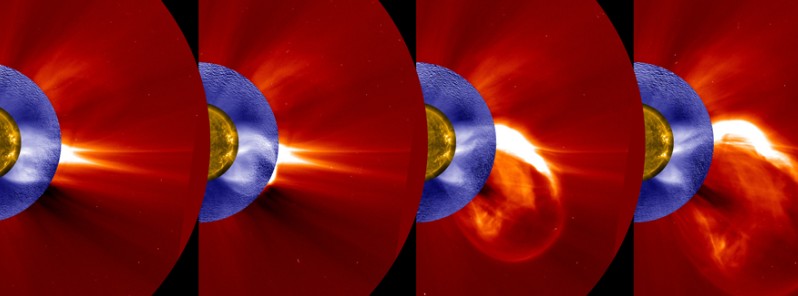
    A new research instrument located on the Mauna Loa volcano in Hawaii – K-Coronagraph – showed the technique it uses to observe Sun's corona can be used to provide earlier warnings to astronauts when dangerous high-energy particles are blasted out of the…

  • 3-D map of space dust

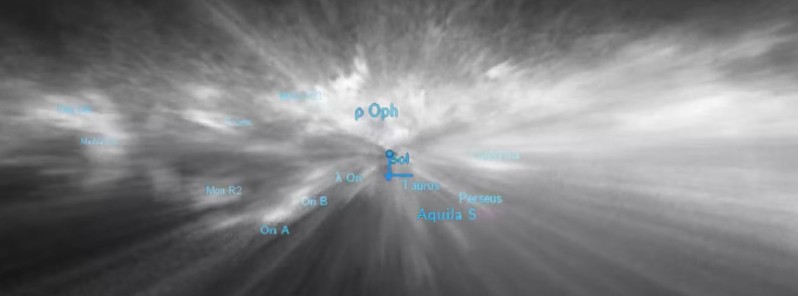
    A new study led by Edward F. Schlafly is providing a detailed, 3-D look at dust on a scale spanning thousands of light-years in our Milky Way galaxy. This dust map is of critical importance for the Dark Energy Spectroscopic Instrument (DESI), a Berkeley Lab-led…

  • Highest resolution map of Earth’s lithospheric magnetic field

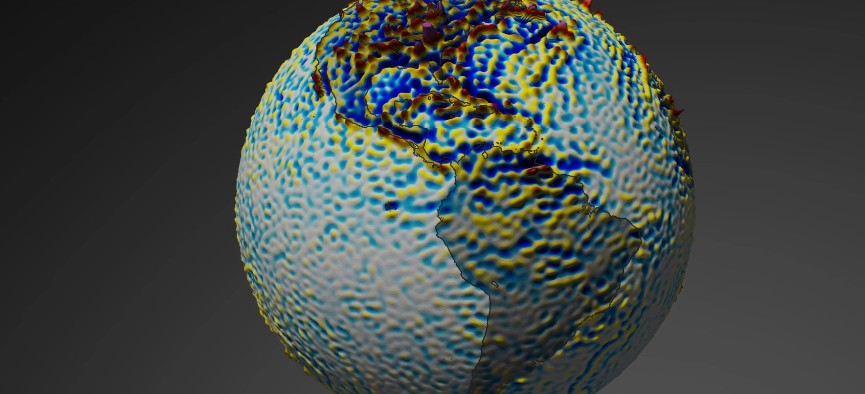
    After three years of collecting data, Swarm mission scientists have produced the highest resolution map of Earth’s lithospheric magnetic field from space to date. The dataset combines measurements from ESA’s Swarm satellites with historical data from the…

  • New theories about nature of Earth’s iron

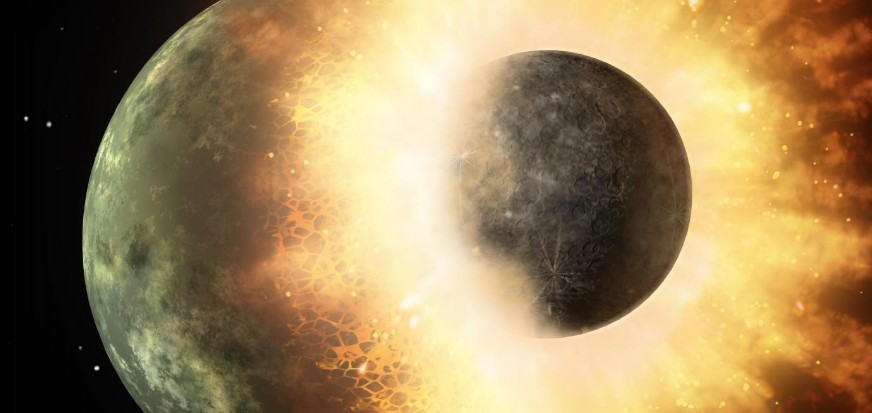
    In a study published March 20, 2017 in Nature Communications, an international team of scientists challenges the prevailing theory that the unique nature of Earth’s iron was the result of how its core was formed billions of years ago. The study opens the door…

  • NIWA adds more faults to the latest Kaikoura fault rupture map

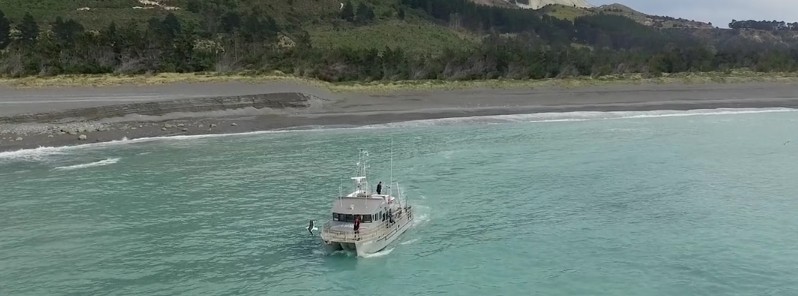
    Scientists on board NIWA’s research vessel Ikatere took to the water in January with state-of-the-art equipment to map the sea floor between Cape Campbell and Spyglass Point to the south of Kaikoura and added more fault ruptures to the fault map of…

  • Calbuco’s eruption expanded ozone hole to record size

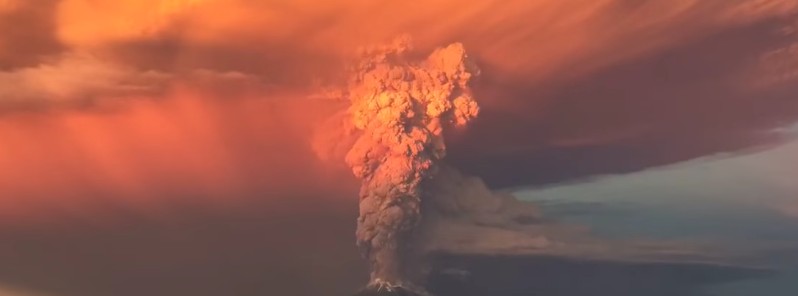
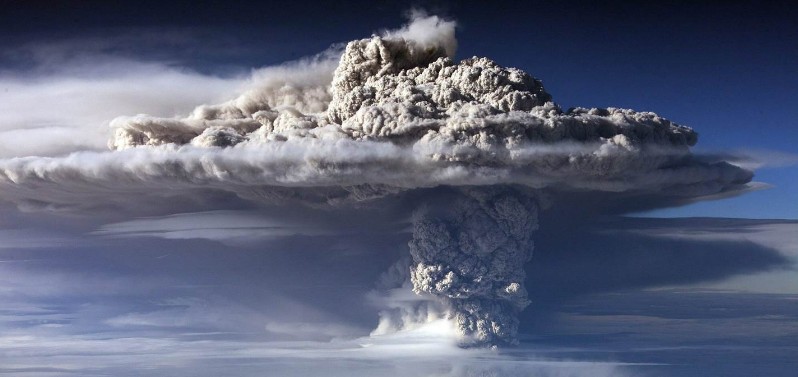
    A new study argues that eruption of the Chilean volcano Calbuco on April 22, 2015 stretched the Antarctic Ozone Hole, the thinnest portion of the ozone shell that shields Earth from harmful radiation, to a record size nearly as large as Africa. It did so by ejecting…

  • Starquakes reveal surprises about the birth of stars

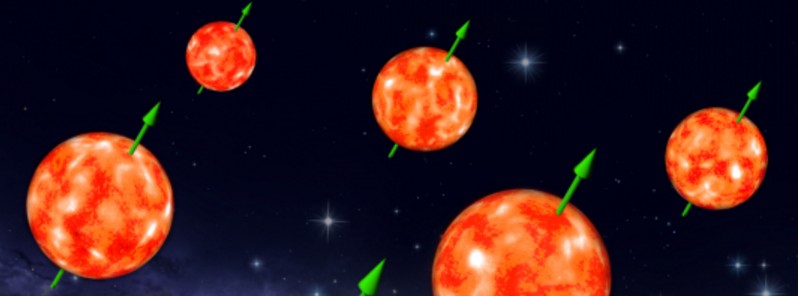
    Just as seismologists use earthquakes to understand the interior of our planet, astronomers use starquakes to understand the interior of stars. In one such study, an international team provided unprecedented insights into conditions in the turbulent gas clouds where…

  • Solar storms trigger surprising phenomena close to Earth

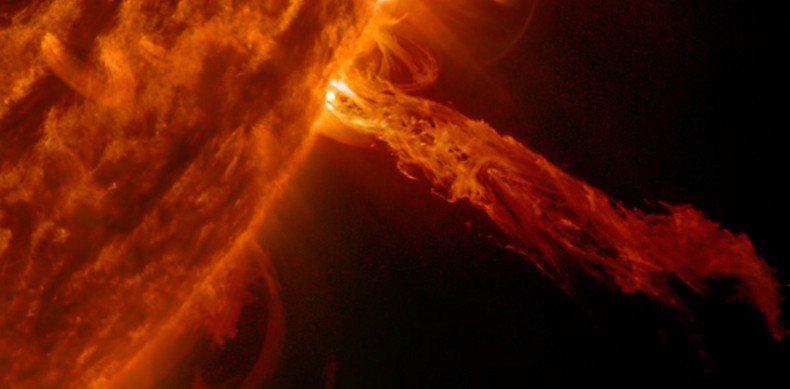
    A new research shows that eruptions on the Sun’s surface not only send bursts of particles into Earth’s atmosphere, but – contrary to previous belief – also remove electrons across large areas. The new knowledge increases our understanding of solar…