• Scientists resolve origin of oddball meteorites with X-rays

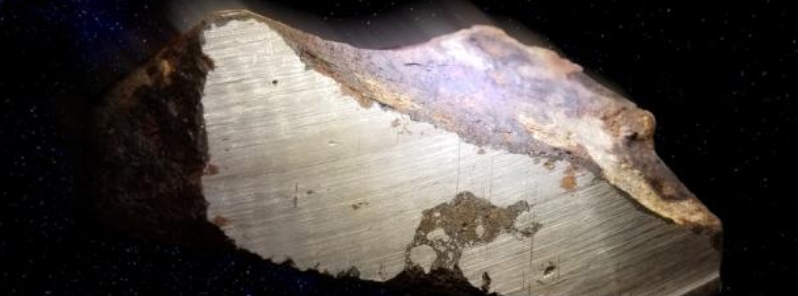
    Scientists at the Lawrence Berkeley National Laboratory conducted X-ray experiments to resolve the origin of rare, odd meteorites that have puzzled many researchers since they were discovered about 50 years ago. Also known as Type IIE iron meteorites, these objects…
  • Most detailed seafloor depth map of Arctic Ocean released

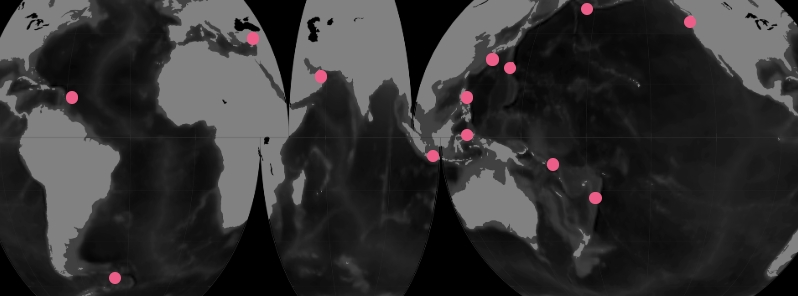
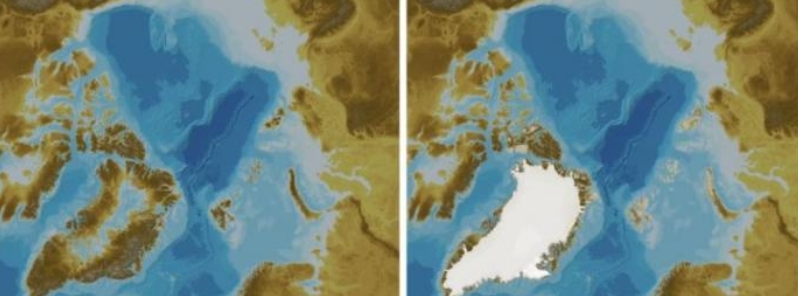
    An international team of researchers released the most detailed seafloor depth map of the Arctic Ocean. The map, which is the 4.0 version of the International Bathymetric Chart of the Arctic Ocean (IBCAO), expands up to 19.6 percent of the submarine surface mapped…

  • New method helps predict big solar flares

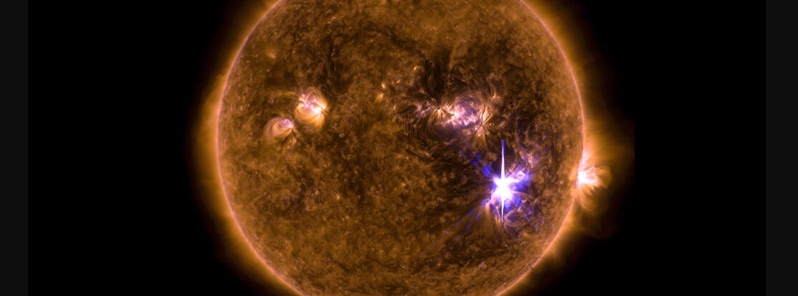
    Scientists developed a new physics-based technique that successfully predicted seven of the Sun's largest flares from the past solar cycle, out of a set of nine. With further improvement, the new model could be used to inform forecasters of these intense…

  • Extremely elongated cloud returns over Arsia Mons volcano, Mars

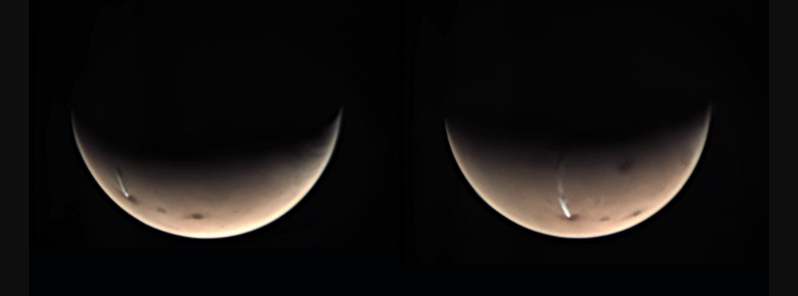
    The Visual Monitoring Camera (VMC) attached to Mars Express captured a mysteriously long, thin cloud over the 20 km (12 miles) high Arsia Mons volcano on July 17 and 19, 2020. According to ESA, the cloud is a recurrent feature made up of water ice and is influenced…