• Seismologists find slow earthquakes in Cascadia predictable

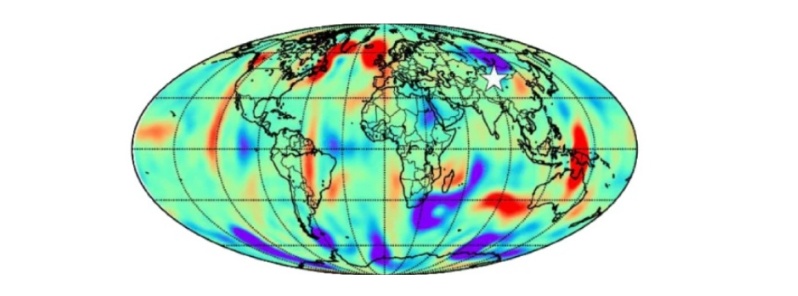
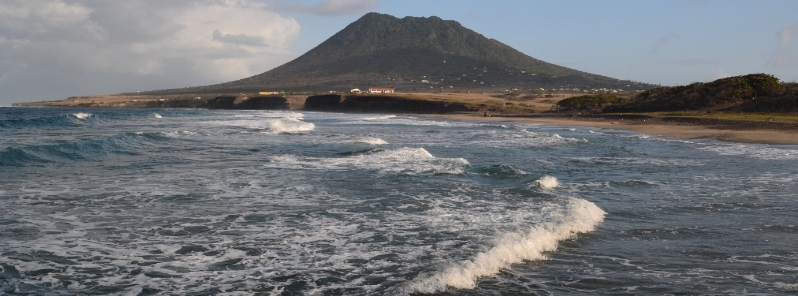
    Seismologists at Caltech analyzed 10 years' worth of slow-slip events that result from episodic fault slip, like regular earthquakes, but only produce barely perceptible quakes in the Cascadia region of the Pacific Northwest. They found that this particular type…
  • New study explains how volcanoes explode in the deep sea

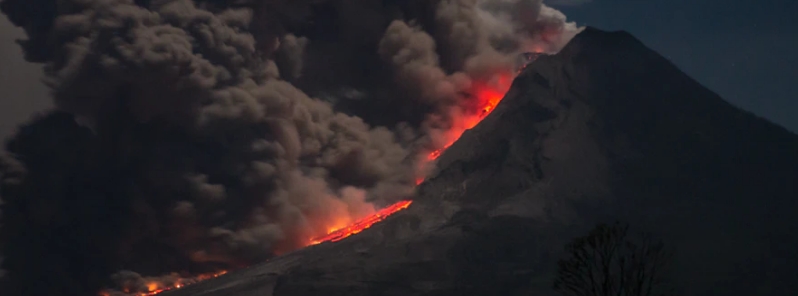
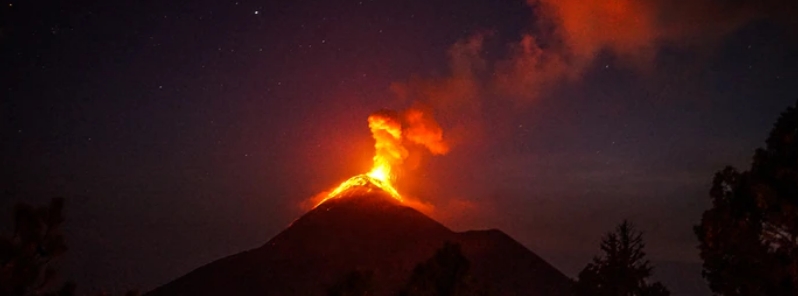
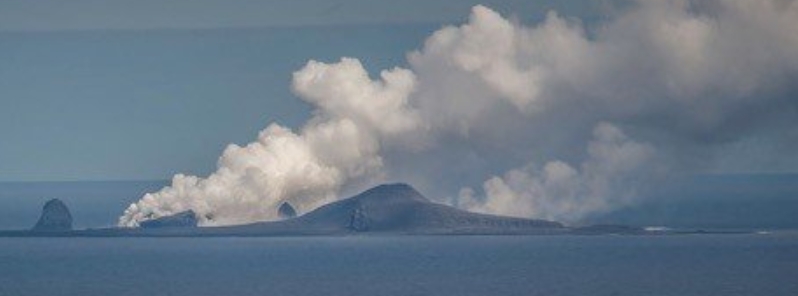
    Most volcanic eruptions occur at the bottom of the oceans, and modern oceanography has shown that submarine volcanism not only deposits lava but also emits large amounts of volcanic ash. For the first time, an international research group explained the mechanisms…

  • MagLab geochemists solve mystery of Earth’s disappearing crust

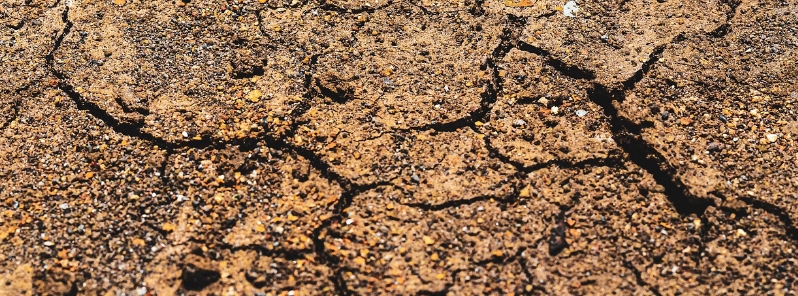
    A team of geochemists based at the Florida State University-headquartered National High Magnetic Field Laboratory has discovered significant clues about the sections of the crust that vanishes back into the Earth. The researchers provided new evidence showing that…

  • Motions in the Sun unveil inner workings of sunspot cycles

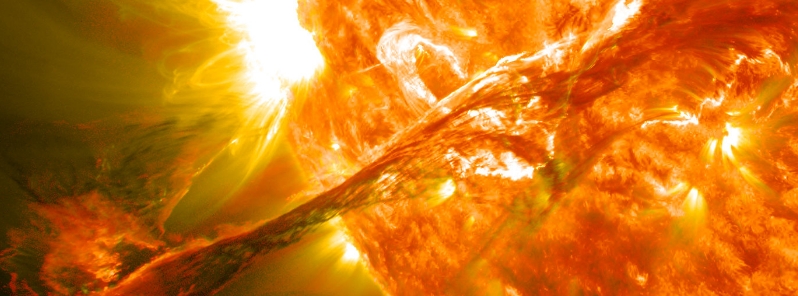
    The Sun's magnetic activity fluctuates in a rhythm of about 11 years, which is reflected in the frequency of sunspots. During solar maximum, huge sunspots and active regions appear on the surface of the star. Scientists have long been puzzled over the reason…