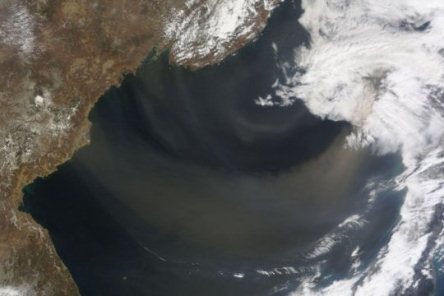
• Dust storms affecting ocean phytoplankton

    MIT study finds that the short residence of iron in surface waters makes phytoplankton very sensitive to any changes in the level of desert dust in the ocean. Desert dust is one of the only sources of ocean iron. Each spring, dust storms in the deserts of Mongolia and n

  • How effective is rain in cleaning the atmosphere

    Atmospheric chemists at MIT claims to have obtained the most accurate estimates of rates of coagulation between rain droplets and aerosol particles that in turn could be used to determine the extent to which natural rain may contribute to keeping the atmosphere

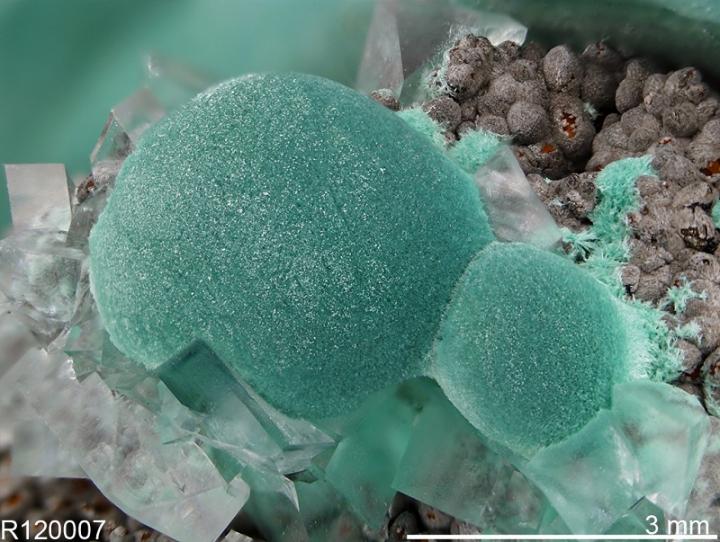
  • Extraordrinary mineral diversity on Earth unique in cosmos

    A new research, led by Robert Hazen of the Carnegie Science showed that there are over 1 500 minerals left undiscovered on the planet Earth. This implies our planet is unique in cosmos in terms of mineral diversity, Carnegie Science reported on August 26, 2015.Minerals

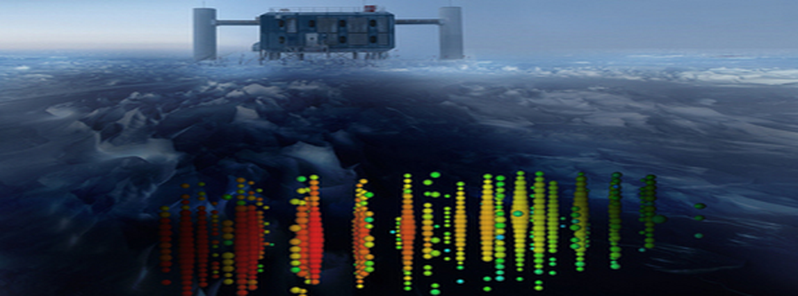
  • High-energy cosmic neutrinos observed at the geographic South Pole

    An team of international experts has announced a new observation of high-energy neutrino particles using an instrument funded by the National Science Foundation (NSF). The particles from beyond our galaxy have been detected at the geographic South Pole, using a massive

  • New research reveals: Matter and antimatter, mirror images of each other

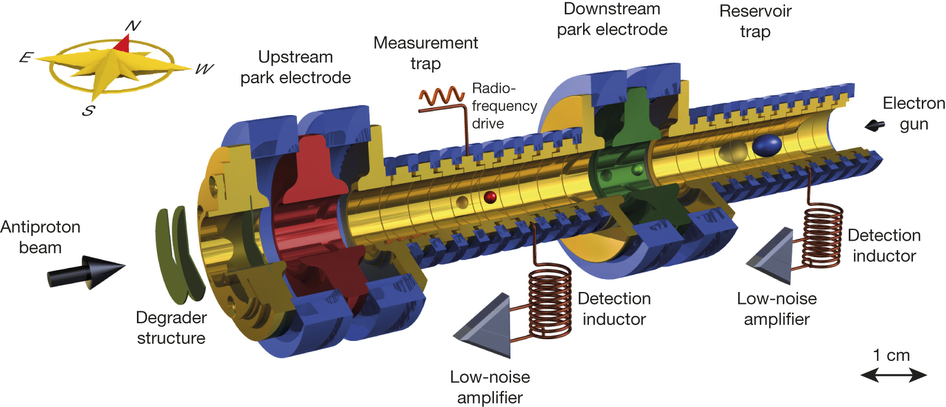
    Researchers from BASE collaboration at CERN, led by RIKEN, have conducted the most precise measurement, so far, of the charge-to-mass ratio of protons and their antimatter counterparts, antiprotons. Their work was carried out using CERN's Antiproton Decelerator, and

  • Meteorite impacts can create life’s building blocks, new research shows

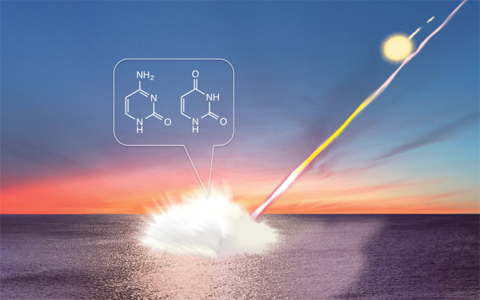
    A new research conducted by the researchers from Tohoku University, National Institute for Materials Science and Hiroshima University showed that meteorite impacts on ancient ocenas may have created nucleobases and amino acids, which indicates there might have been anot