• Hurricane Gabrielle forecast to approach Azores on Thursday, September 25

    A Hurricane Watch was issued for all islands of the Azores at 11:00 AST (15:00 UTC) on Tuesday, September 23, 2025, as Category 4 Hurricane Gabrielle moves east-northeastward over the North Atlantic. The system is forecast to approach the archipelago late Thursday, bringing the risk of hurricane-force winds, storm surge, and 75–125 mm (3–5 inches) of rainfall to the central and western islands. Swells are already affecting Bermuda, the U.S. East Coast, and Atlantic Canada.

  • Typhoon Ragasa to make landfall in China’s Guangdong on September 24

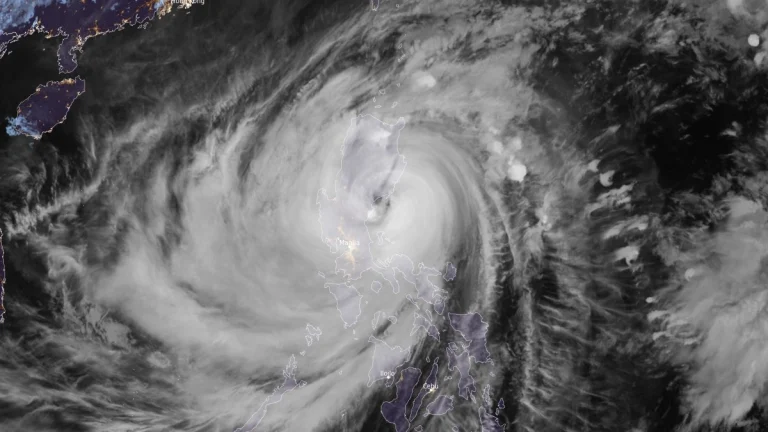
    Hong Kong has shut down, and Shenzhen is evacuating of 400 000 people as Typhoon Ragasa (known in the Phillippines as Nando) moves towards China. Its earlier landfall in northern Philippines on September 22, has already claimed at least 3 lives and displaced thousands, and now it threatens to wreak havoc in southern China. Ragasa is expected to make landfall in the coastal area between Shenzhen City and Xuwen County in Guangdong Province on September 24.

  • Eye of Super Typhoon Ragasa moves over Calayan Island, Cagayan, Philippines

    Super Typhoon Ragasa, locally named Nando, began crossing Calayan Island in Cagayan province, northern Philippines, at around 03:00 UTC (11:00 LT) on September 22, 2025, bringing destructive winds, extreme seas, and life-threatening storm surge. The Philippine weather bureau reported maximum 10-minute sustained winds of 215 km/h (134 mph) and gusts up to 295 km/h (183 mph).

  • Super Typhoon Ragasa moving toward Philippines, China and Vietnam

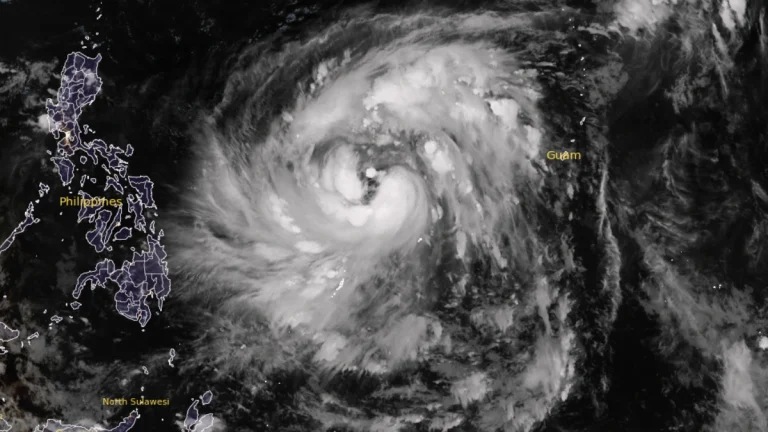
    Typhoon Ragasa, known locally as Nando, intensified into a super typhoon 00:00 UTC (08:00 LT) on September 21, 2025, east of Cagayan, Philippines. By 09:00 UTC, its center was located 450 km (280 miles) east of Aparri with sustained winds of 185 km/h (115 mph) and gusts up to 230 km/h (145 mph). The system is moving west-northwest toward Batanes and the Babuyan Islands, bringing life-threatening storm surges exceeding 3 m (10 feet), destructive winds, and very rough seas.

  • Flash flooding prompts multiple rescues in Ruidoso, New Mexico

    Heavy rainfall associated with slow-moving thunderstorms affected the Sierra Blanca region of southern New Mexico on September 18, leading to rapid runoff and flash flooding in the Village of Ruidoso. The National Weather Service issued flash flood warnings as runoff rapidly filled the Rio Ruidoso and smaller drainages. The river crested at about 3.8 m…

  • Tropical Storm Nando (Ragasa) forecast to rapidly intensify east of Luzon, possible super typhoon

    PAGASA upgraded Tropical Depression Nando (internationally known as Ragasa) to a tropical storm at 23:00 LT (15:00 UTC) on September 18, 2025. The system will continue to intensify while over the Philippine Sea and may reach typhoon category by Saturday, September 20. Further intensification into super typhoon category while traversing the Extreme Northern Luzon is not ruled out.

  • Gravitational anomaly in 2007 hints at rapid changes near Earth’s core

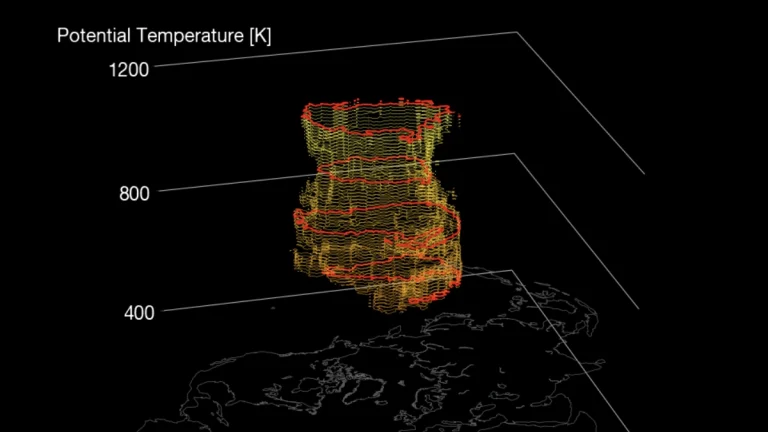
    A gravity anomaly recorded by NASA–German GRACE satellites in early 2007 over the Atlantic Ocean points to mass redistribution near Earth’s core–mantle boundary, around 2 700–2 900 km (1 700–1 800 miles) deep. Researchers suggest a perovskite-to-post-perovskite mineral phase change produced decimetric boundary shifts, offering the first evidence that deep mantle processes can unfold within just a few years and potentially affect Earth’s magnetic field.

  • Floods in Pakistan leave nearly 1 000 dead, 6.3 million affected and 2.9 million displaced since June 26

    Monsoon floods in Pakistan have killed at least 972 people and injured about 1 062 since June 26, 2025, affecting 6.3 million and displacing 2.9 million across the country. Khyber Pakhtunkhwa remains the worst-hit province with more than 500 fatalities, while Punjab has reported 290 deaths and Sindh over 173 000 displaced. Health authorities have also issued dengue alerts for major cities in Sindh, where stagnant floodwaters heighten the risk of outbreaks.

  • G3 – Strong geomagnetic storm sparks auroras down to Texas

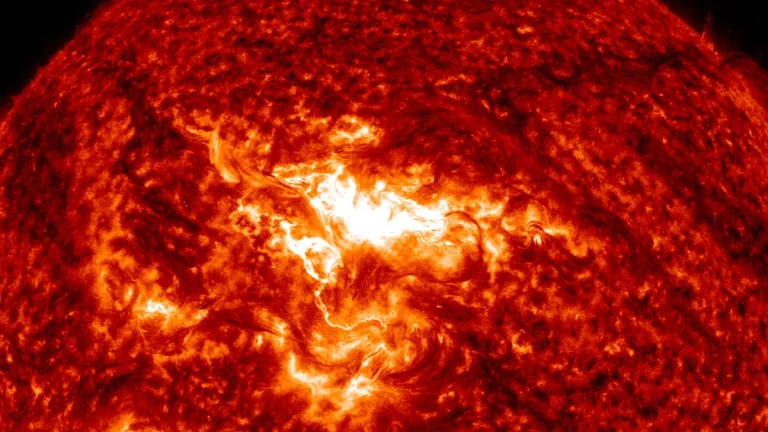
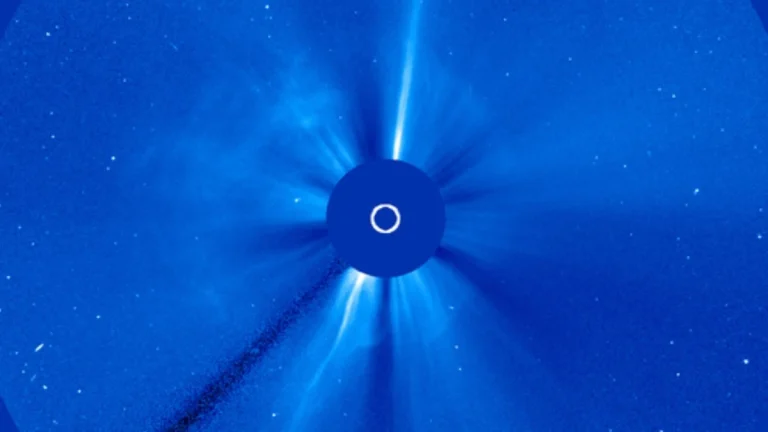
    A geomagnetic storm that began late on September 14, 2025, intensified to G3 – Strong levels early on September 15, producing auroras visible as far south as Texas. The storm was driven by a negative polarity coronal hole high-speed stream (CH HSS) with possible influence from a coronal mass ejection (CME) launched on September 11.