• Dual lava fountains from Kīlauea’s Halemaʻumaʻu crater reach 400 m (1 300 feet), Hawaii

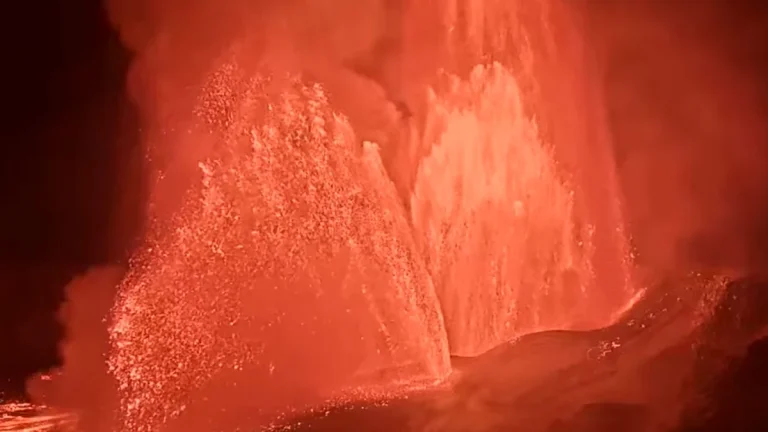
    Episode 34 of the ongoing Kīlauea eruption ended at 07:03 HST (17:03 UTC) on October 1, 2025, after 6 hours of lava fountaining from two vents in Halemaʻumaʻu crater at the volcano’s summit, Hawaii. Lava fountains reached up to 400 m (1 300 feet), erupting about 9 million m³ of lava at a peak effusion rate of 500 yd³/s. The eruption filled much of the western crater floor before activity ceased.

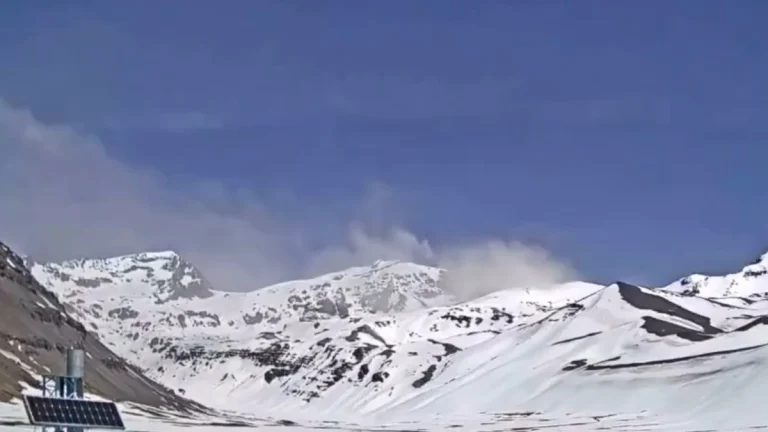
  • Increased seismicity and gas emissions at Meakandake volcano, Hokkaido, Japan

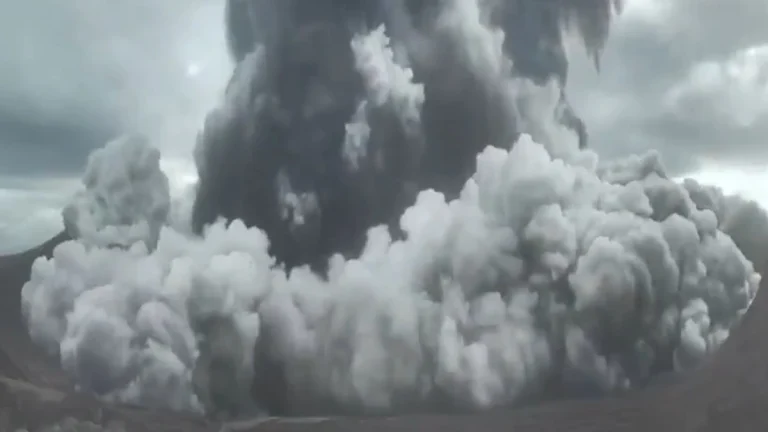
    The Japan Meteorological Agency (JMA) raised the Alert Level for Meakandake volcano in Hokkaido, Japan, from 1 to 2 at 06:20 UTC (15:20 JST) on September 15, 2025, after an increase in seismicity near Ponmachineshiri Crater. From September 16 to 23, eruptive activity continued with 27–50 daily volcanic earthquakes, minor ashfall, and white steam-and-gas plumes rising 200–800 m (656–2 625 feet) above the crater rim. Access within 500 m (1 640 feet) of the crater remains restricted, affecting parts of Kushiro City and Ashoro Town.

  • Seismic event linked to renewed eruption at Barren Island volcano, India

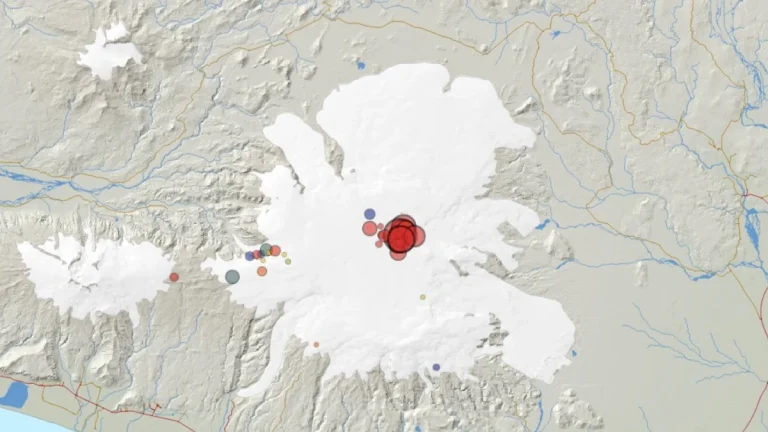
    A minor eruption was reported at Barren Island volcano in the Andaman Sea at around 10:15 LT (04:45 UTC) on September 20, 2025, two days after a shallow M4.2 earthquake in the region. The National Centre for Seismology suggested the quake may have disturbed the magma system, although no independent confirmation of the link is available.

  • Lava fountains over 150 m (500 feet) in new eruption at Kilauea, Hawaii

    A new eruptive episode started at Kīlauea’s Halemaʻumaʻu crater at 13:11 UTC (03:11 HST) on September 19, 2025, producing lava fountains over 150 m (500 feet) and a volcanic plume up to 3 000 m (10 000 feet) high. The eruption remains confined to the summit caldera within Hawaiʻi Volcanoes National Park.

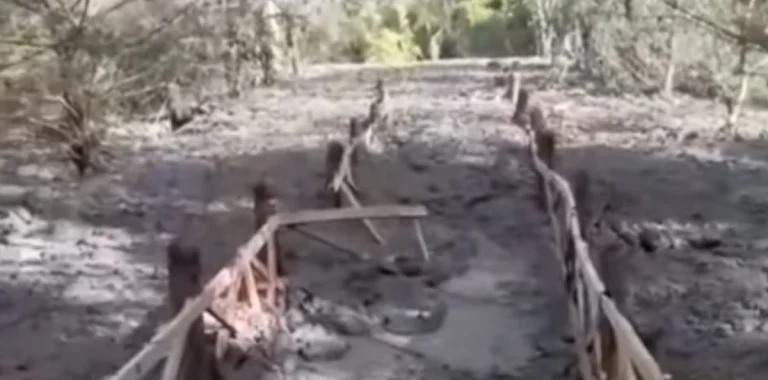
  • Rainfall keeps lahar hazard active at Fuego volcano after initial flows, Guatemala

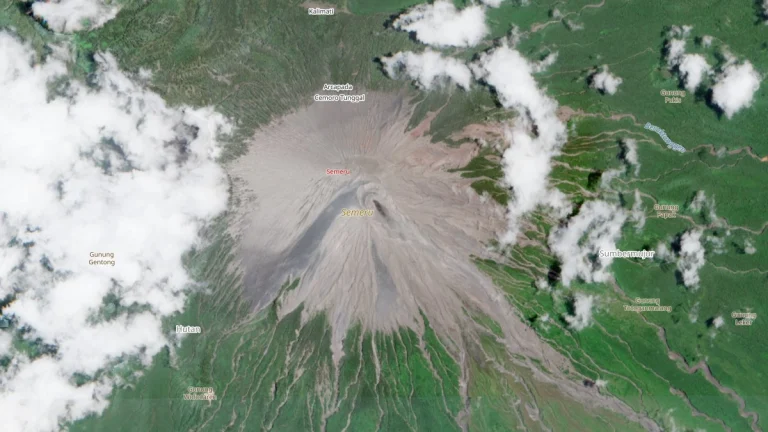
    Weak to moderate lahars descended from Fuego volcano, Guatemala, at 19:17 LT on September 10, 2025, moving through Barranca Ceniza and into the Zarco and Mazate rivers, tributaries of the Achíguate River. The National Institute of Seismology, Volcanology, Meteorology and Hydrology (INSIVUMEH) reported that conditions remain favorable for additional lahars on the southwestern flanks.