• PHIVOLCS warns of possible lahars at Kanlaon volcano as heavy rain from Severe Tropical Storm Kalmaegi approaches

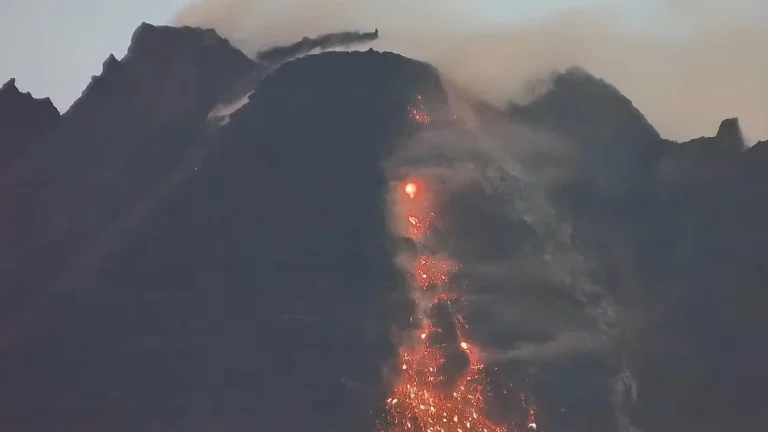
    The Philippine Institute of Volcanology and Seismology (PHIVOLCS) has issued a lahar advisory for Kanlaon Volcano on Negros Island, warning that heavy to intense rainfall from Severe Tropical Storm Tino (#TinoPH) may generate volcanic sediment flows on the volcano’s southern and western slopes while Alert Level 2 remains in effect.

  • PHIVOLCS reports multiple short-lived eruptions at Taal volcano

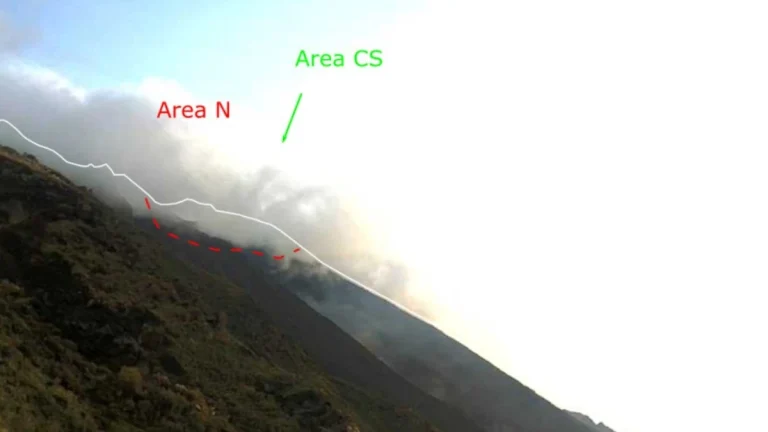
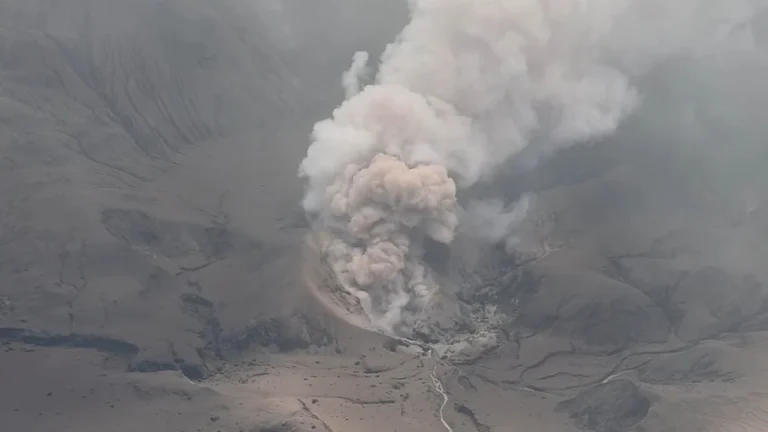
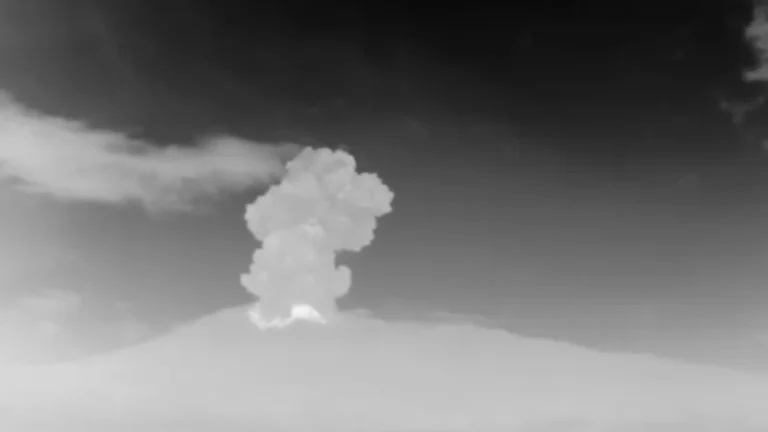
    Four short-lived eruptions were recorded at the northeastern portion of the Taal Main Crater between October 25 and 26, 2025, producing dense plumes 1 200–2 100 m (3 900–6 900 feet) high and minor ashfall over nearby barangays in Laurel and Agoncillo, Batangas Province. PHIVOLCS classified the events as minor phreatic and phreatomagmatic eruptions, with associated shockwaves and localized pyroclastic density currents, but maintained Alert Level 1 (low-level unrest) over the volcano.

  • Lahar from Mount Semeru traps truck near Gladak Perak, Lumajang, Indonesia

    A secondary lahar flow originating from remobilized pyroclastic and tephra deposits on the southern flank of Mount Semeru, Indonesia, occurred on October 21, 2025, trapping a truck near Gladak Perak Bridge in Lumajang Regency, East Java. The rain-induced lahar, classified as a cold, non-eruptive sediment-water flow, moved through the Besuk Kobokan drainage, carrying a dense slurry of volcanic debris and runoff.

  • Strong earthquake swarm shakes Katla volcanic system beneath Mýrdalsjökull, Iceland

    A strong seismic swarm began beneath Iceland’s Mýrdalsjökull glacier, part of the Katla volcanic system, around 10:30 UTC on October 20, 2025. Several earthquakes above magnitude 3 were recorded, the largest reaching M4.5 at 10:51 UTC. The Icelandic Meteorological Office reports no felt activity and no changes in river levels, conductivity, or deformation, indicating no immediate signs of eruption at the Katla volcano or glacial flooding.

  • Record lava fountains reach 460 m (1 500 feet) during episode 35 of Kīlauea summit eruption, Hawai‘i

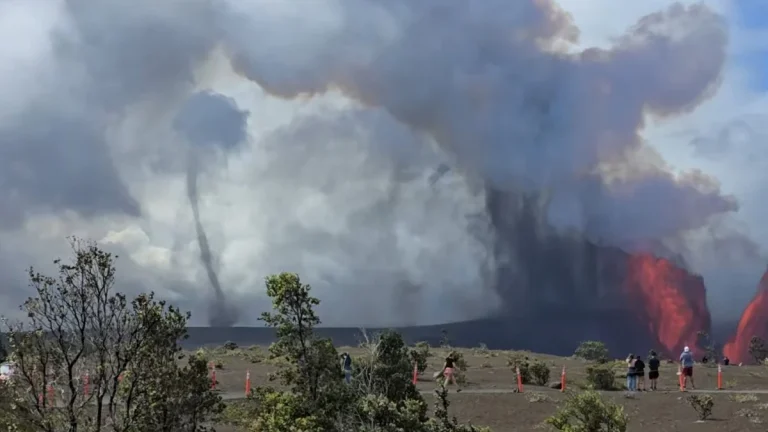
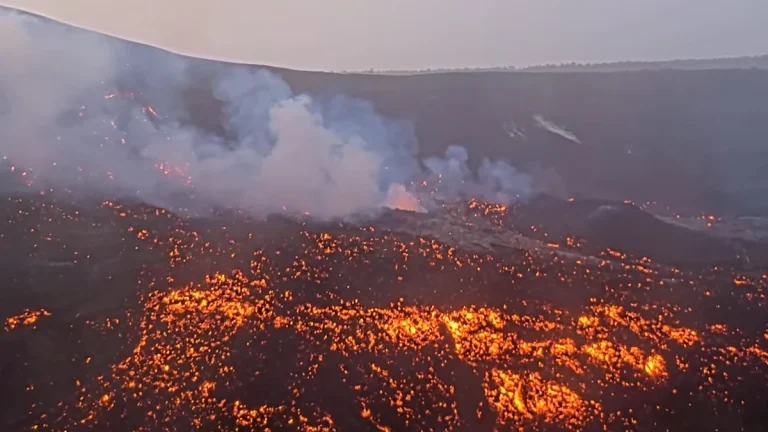
    Episode 35 of the ongoing Halemaʻumaʻu eruption at Kīlauea volcano began at 20:05 HST on October 17, 2025 (06:05 UTC on October 18), producing simultaneous fountains from the north and south vents that reached record heights of approximately 460 m (1 500 feet). The eruption cloud rose above 6 000 m (20 000 feet) while lava flows remained contained within the crater.

  • High-level eruption at Lewotobi volcano, Indonesia

    A high-level eruption occurred at Lewotobi Laki-laki volcano on Flores Island, Indonesia, at 23:37 WITA (15:37 UTC) on October 14, 2025, producing an ash column rising to 13 700 m (44 500 feet) above sea level. The Darwin Volcanic Ash Advisory Center (VAAC) raised the Aviation Color Code to Red after Himawari-8 satellite imagery confirmed ash extending northwest at approximately 28 km/h (17 mph).

  • Fine ash emissions and increased tremor at Planchón-Peteroa, Chile–Argentina

    The Argentine Geological and Mining Service (SEGEMAR) reported increased surface activity at the Planchón-Peteroa volcanic complex starting at 01:00 LT (04:00 UTC) on October 3, 2025, including emissions of fine volcanic ash rising up to 250 m (820 feet) above the crater. The technical alert remains at Yellow, with continued binational monitoring by SEGEMAR and Chile’s National Geology and Mining Service (SERNAGEOMIN).

  • Kronotsky volcano awakens after a century, sending ash up to 9 km (30 000 feet) a.s.l., Russia

    Kronotsky volcano in Kamchatka, Russia, erupted at 03:50 UTC (15:50 LT) on October 4, 2025, ending a century of dormancy. The Kamchatka Volcanic Eruption Response Team (KVERT) reported an explosive eruption with an ash column reaching 9.2 km (30 180 feet) above sea level. Aviation Color Code was raised to Red. KVERT warns that additional ash emissions rising up to 15 km (49 200 feet) remain possible.