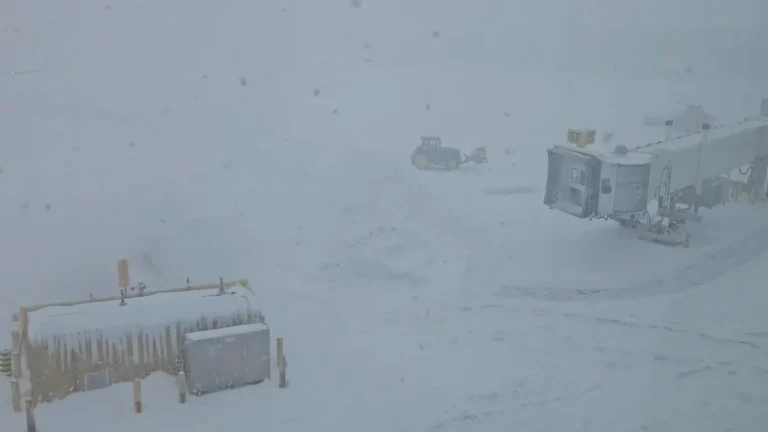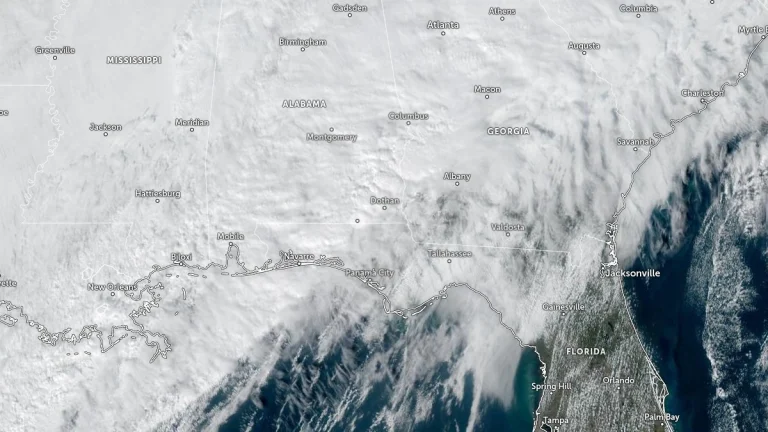
• EF-2 tornado hits downtown Geneva, Alabama, strongest since December 2000

    An EF-2 tornado struck the city of Geneva in southeastern Alabama during the evening of January 25, 2026, causing structural damage across parts of the city and nearby areas. The tornado was confirmed by the National Weather Service following a damage survey completed on January 26 and was rated EF-2 – strong enough to cause roof damage, snapped trees, and power disruptions.
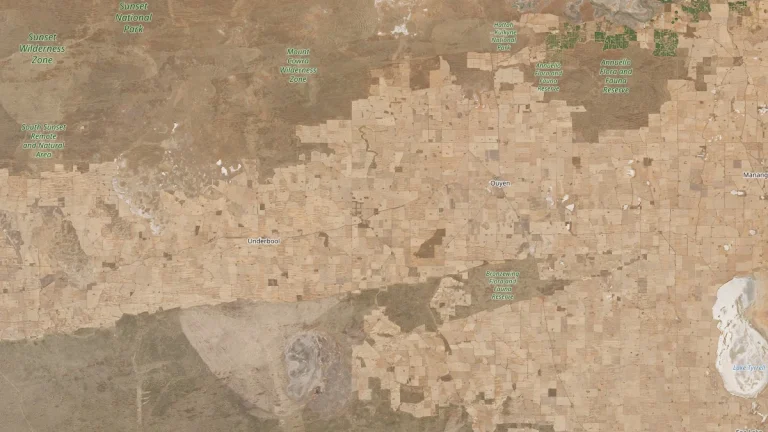

  • Victoria sets new all-time temperature record of 48.9°C (120°F) amid severe heatwave, Australia

    Temperatures across southeastern Australia reached record levels on January 27, 2026, with the Bureau of Meteorology confirming a new all-time high of 48.9°C (120°F) at Walpeup and Hopetoun in Victoria. The readings surpassed the previous state record of 48.8°C (119.8°F) set in 2009, amid severe to extreme heatwave conditions extending across Victoria, South Australia, and inland New South Wales.

  • Unseasonable heat sets January record in West Palm Beach, Florida at 32.2°C (90°F)

    West Palm Beach, Florida, recorded a maximum temperature of 32.2°C (90°F) at 13:27 LT (18:27 UTC) on January 26, 2026, breaking the previous daily record of 30°C (86°F) set in 1965, according to the National Weather Service (NWS). The value was 15°F (8°C) above the 1991–2020 normal maximum of 24°C (75°F), ranking among the highest January readings on record in the city’s 1888–2026 climate archive.

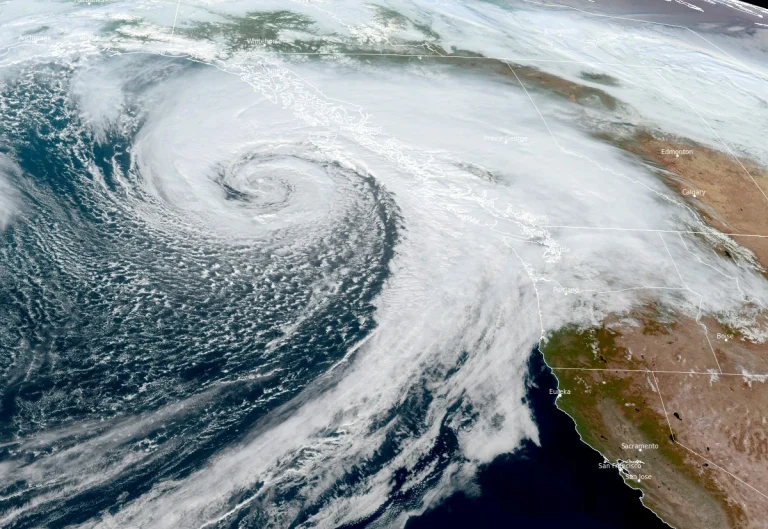
  • Series of atmospheric rivers forecast to bring heavy rain to the Pacific Northwest this week

    Four atmospheric rivers (ARs) are forecast to impact the Pacific Northwest from Tuesday, January 28 through January 31, 2026, bringing several days of moderate to heavy precipitation, with rainfall totals reaching 125–250 mm (5–10 inches) over the Olympic Peninsula and 50–125 mm (2–5 inches) across the Willapa Hills, northern Oregon Coast Ranges, and Washington Cascades.

  • Record snow buries Sapporo, 10 fatalities reported across Japan

    At least ten people were killed across Japan in late January 2026 as heavy snowfall and repeated cold waves affected wide areas of the country. Sapporo surpassed total accumulations of over 1 m (3.3 feet) for the first time since 2022 on Sunday, January 25, while accumulations at Hakkōda Mountains in Aomori reached around 4.5 m (14.8 feet) by Monday, January 26. More snow and strong winds are forecast along the Sea of Japan coast through this week as a cold air mass intensifies.

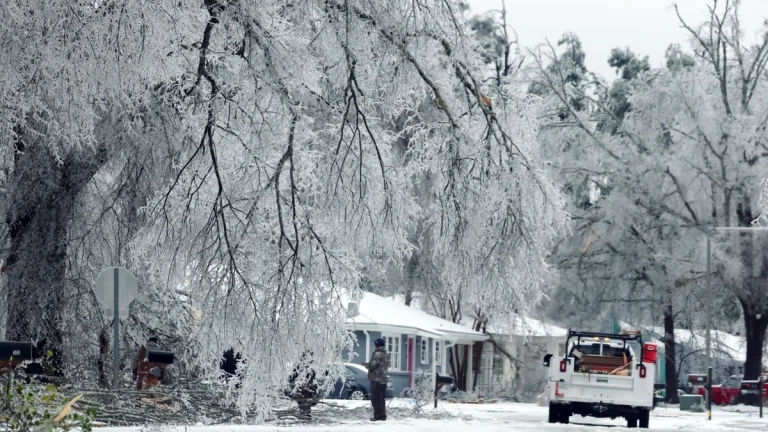
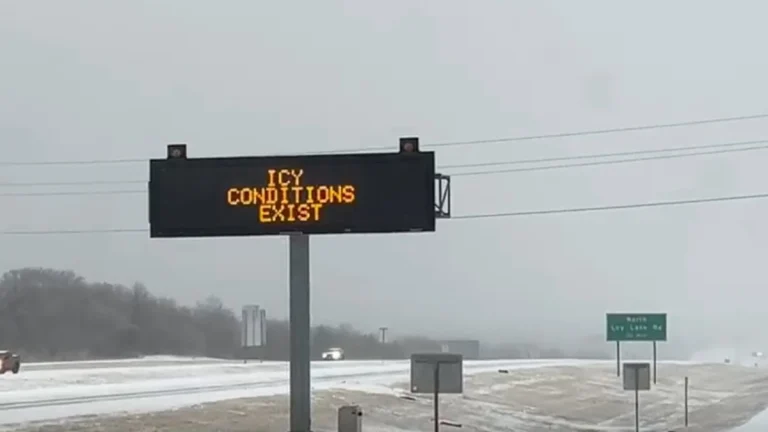
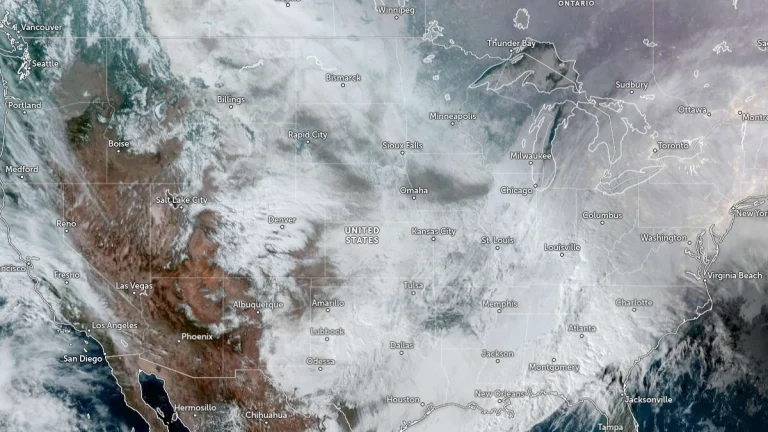
  • NWS data show heavy snow and significant ice from the January 2026 U.S. winter storm

    Official data from the National Weather Service Weather Prediction Center (WPC) confirms widespread snow, sleet, and freezing rain accumulations across large portions of the United States during the January 23–26, 2026, winter storm. Preliminary data show snowfall exceeded 50 cm (20 inches) in parts of New England and the interior Northeast, while ice accretions reached 25 mm (1 inch) across portions of the Carolinas and northern Georgia. The system’s departure early on January 26 ended four days of significant winter weather affecting more than a dozen states.

  • Toronto Pearson sets all-time daily snowfall record as January 2026 becomes snowiest month since records began, Canada

    A powerful winter storm delivered record-breaking snowfall across Toronto, Ontario, Canada, on January 25, 2026, with 46 cm (18.1 inches) measured at Toronto Pearson International Airport as of 05:00 LT on January 26. This marks the highest single-day snowfall recorded since observations at the airport began in 1937. The event established new daily and monthly records for the site and caused widespread disruption across the Greater Toronto Area.