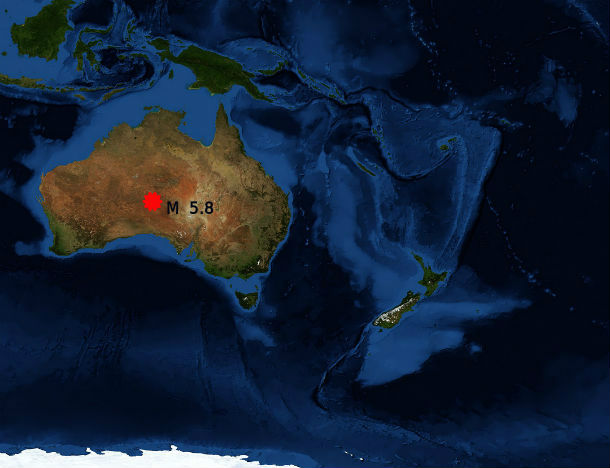
• Shallow M 5.8 hit Northern Territory, Australia

    Shallow earthquake registered as M 5.8 (USGS/EMSC) occurred in the desert region near Yulara at the border of South Australia and Northern Territory on June 9, 2013 at 14:22 UTC. The epicenter was located 316 km (196 miles) SW of Alice Springs, Australia

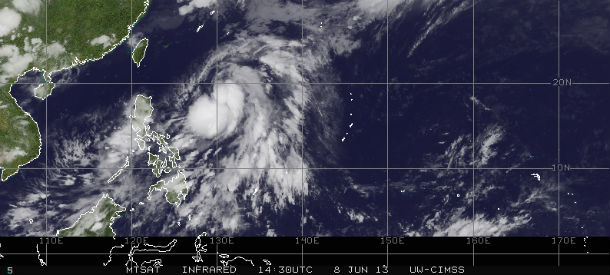
  • Tropical Depression Yagi formed east of Philippines

    According to latest report by Joint Typhoon Warning Center (JTWC), Tropical Depression 03W (Yagi) is located approximately 548 nm south-southeastward of Kadena AB. The system is moving northeastward at 03 knots over the past six hours. TD 03w is currently

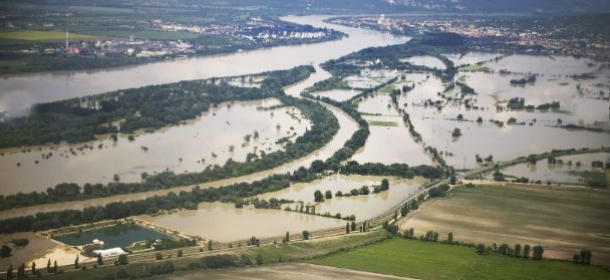
  • Historic floods continue to devastate Europe

    Persistent heavy rains brought devastating floods to Germany, Austria, Switzerland, Slovakia, Czech Republic and Hungary at the start  of June 2013. While the water levels dropped in some areas, other locals are still under threat as flood waves

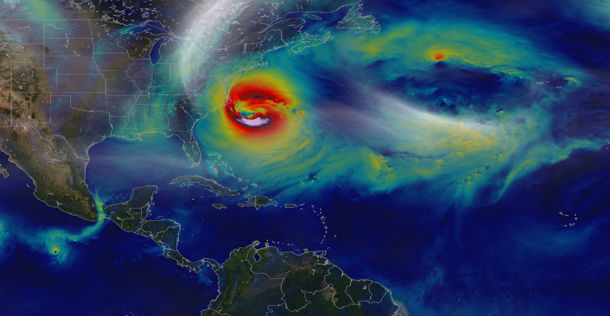
  • NASA's computer simulation shows track of Hurricane Sandy

    Hurricane Sandy pummeled the East Coast late in 2012’s Atlantic hurricane season, causing 159 deaths and $70 billion in damages. Days before landfall, forecasts of its trajectory were still being made. Some computer models showed that a trough in the jet stream

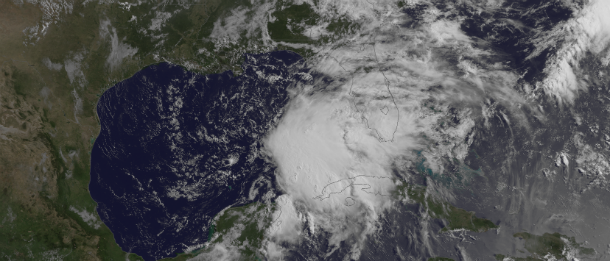
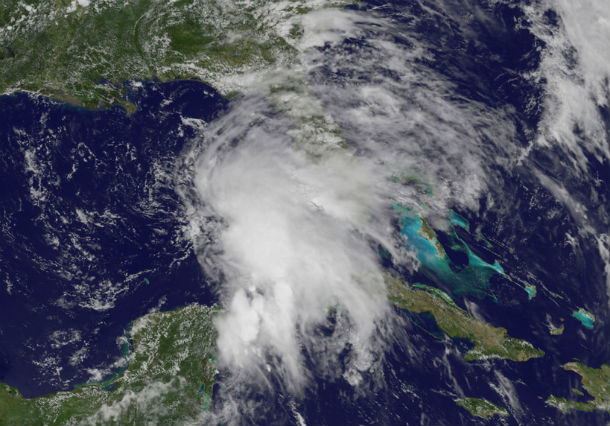
  • Tropical Storm Andrea tracked by GOES East satellite

    NOAA's GOES East satellite has captured imagery of the storms development in Gulf of Mexico in period from June 4-6, 2013. 


    Source: VFS

    Featured image: Visible satellite image of TS Andrea by GOES East at 13:15 UTC on June 5,

  • Active volcanoes in the world – May 29 – June 4, 2013

    This week, 7 volcanoes were noticed to have new activity, whereas ongoing activity was reported for 13 volcanoes. This report covers active volcanoes in the world recorded from May 29 – June 4, 2013 based on Smithsonian/USGS criteria.

    New activity/unrest: |

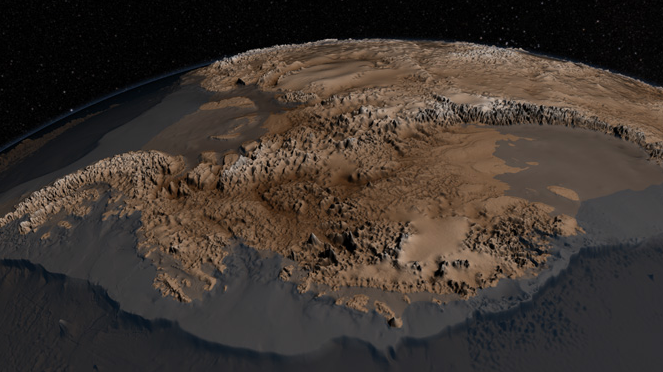
  • What lies beneath the Antarctic ice sheet

    NASA has released a new product called Bedmap2 with clear picture of Antarctica from the ice surface down to the bedrock below. Up until now, researchers used 10 years old collection of Antarctic data.

    The product was a result of work led by the British