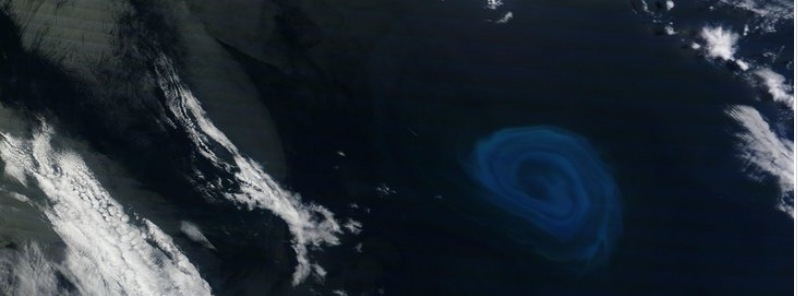
• Garbage patches across the oceans – visualization experiment

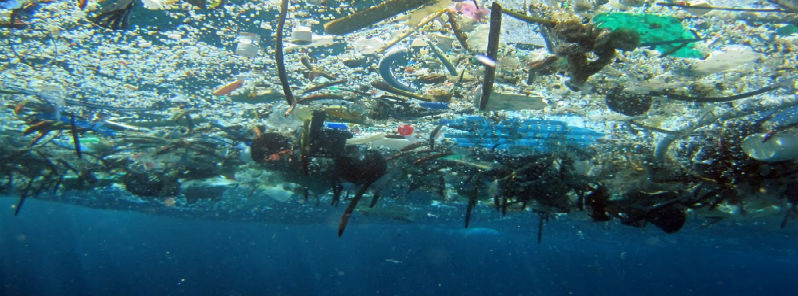
    The experts estimated about 70% of litter that ends up in the world's oceans, sinks to the bottom. The rest of the marine debris remains floating under the ocean surface and is carried around by the ocean currents. The floating debris mainly contains undegradable ti
  • Underwater volcanic vents preview future ocean habitats

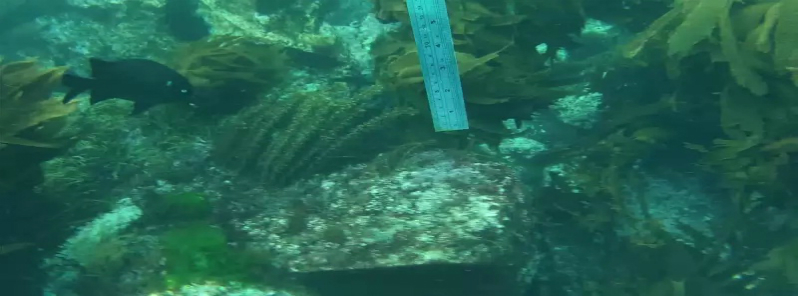
    An underwater study of fish in their natural environment, first of its kind, by University of Adelaide marine ecologists, shows how anticipated ocean acidification may devastate temperate marine habitats and biodiversity.Oceans have already absorbed a large volume of

  • Unprecedented eastern Pacific harmful algal bloom

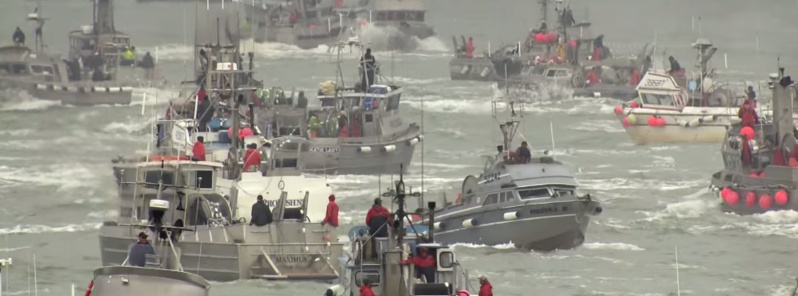
    NOAA Fisheries’ Northwest Fisheries Science Center in Seattle has mobilized extra scientists to join a fisheries survey along the West Coast to chart an extensive harmful algal bloom (HAB) that spans much of the West Coast and has triggered numerous closures of im

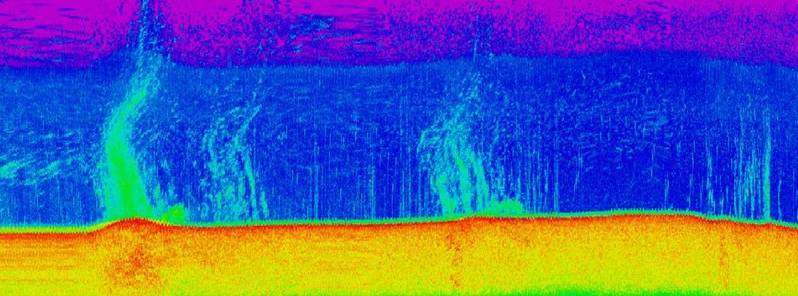
  • ‘Dead zones’ found in Atlantic open waters

    A team of German and Canadian researchers have discovered areas with extremely low levels of oxygen in the tropical North Atlantic, several hundred kilometres off the coast of West Africa. The levels measured in these ‘dead zones’, inhabitable for most

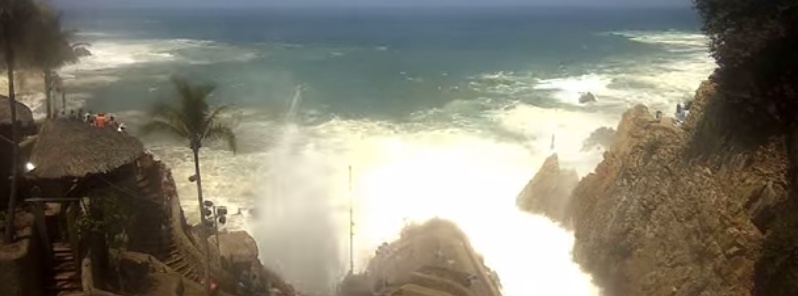
  • Large ocean swell hits Pacific coast of Central and South America

    Strong waves are lashing the Pacific coast from Mexico to Chile since May 2, 2015. According to media reports, at least three people were killed, one is missing and hundreds had to evacuate from the coastline.One person was swept away in Panama by strong waves that prom

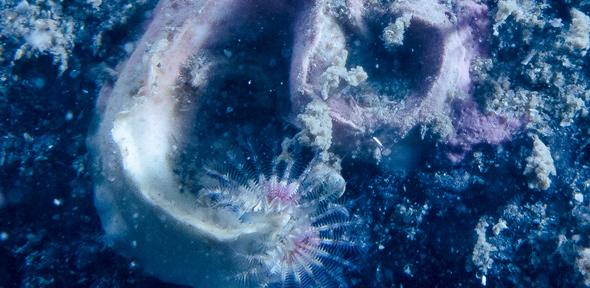
  • The winners and losers of ocean acidification

    The population balance of some marine ‘pests’ could be drastically changed as the world’s oceans become increasingly acidic.Populations of certain types of marine organisms known collectively as the ‘biofouling community’ – tiny

  • Tool kit for ocean health – Global change and the future ocean

    The ocean is under significant impact by anthropogenic global pressures such as ocean acidification, warming, overfishing and pollution, resulting from the impact of human activity on major processes that regulate the functions of the planet, warns the head of The