• Mariana Trench mapped – New view of the deepest trench

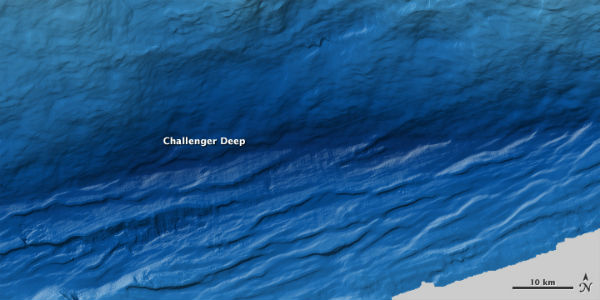
    Scientists have a new map of the deepest trench in the world’s deepest ocean. Researchers at the Center for Coastal and Ocean Mapping/Joint Hydrographic Center at the University of New Hampshire (UNH) have pierced the lightless depths of the western Pacific…
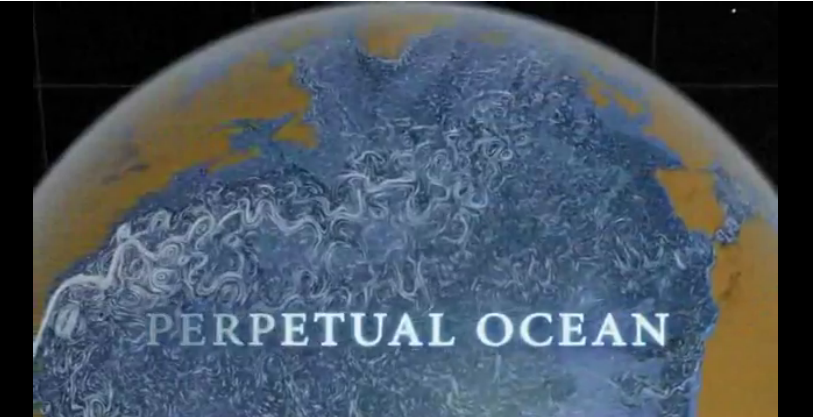
  • “Perpetual Ocean” – Ocean currents around the world

    The surface currents in this recently released video (bellow) of data collected between June 2005 and December 2007 show dominating forces that are continually in motion around our planet. Seeing the activity of the video with the eddies spinning off of their main

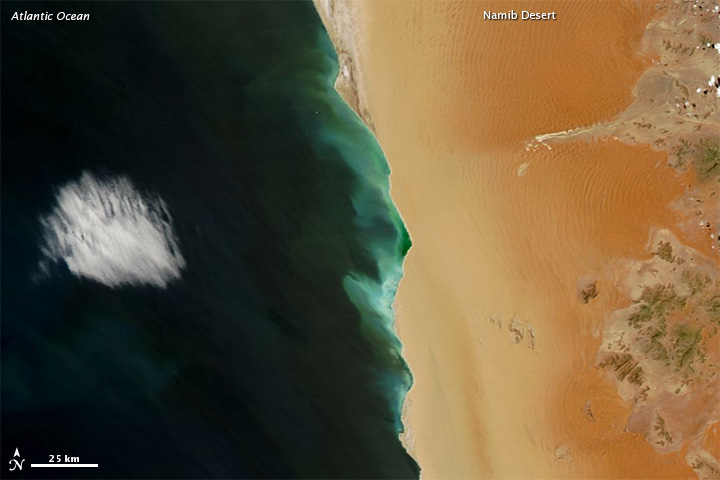
  • Hydrogen sulfide emissions off Namibia coast

    Namibian coast was tinted with pale green water in late February 2012. The Namibian Coast has the most intense upwelling of fertile deep-ocean water in the world. Hydrogen sulfide gas is emitted periodically along Namibian coast due ocean currents that carry

  • Big ocean fish in peril – decrease in fish population

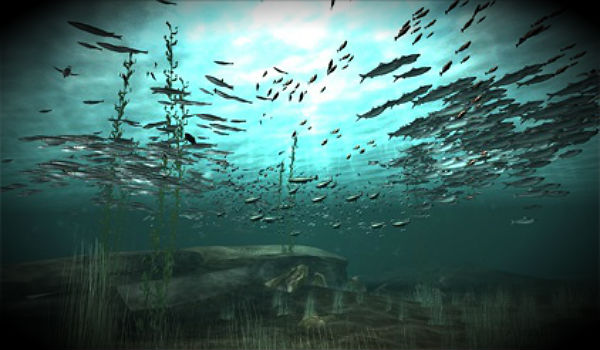
    Over-exploitation of the world’s fish resources has caused serious decline in fish populations, and there is widespread concern that the world oceans will be unable to supply fish products for future generations. Given the importance of marine fisheries for food

  • Eddies – huge masses of water spinning in a whirlpool pattern

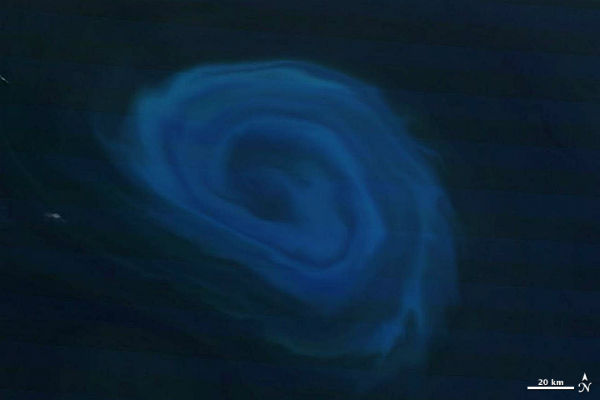
    The ocean has storms and weather that rival the size and scale of tropical cyclones. These storm are better known as eddies. They are huge masses of water spinning in a whirlpool pattern—either clockwise or counterclockwise—and they can stretch for hundreds of

  • Seaweed moves south as ocean warms

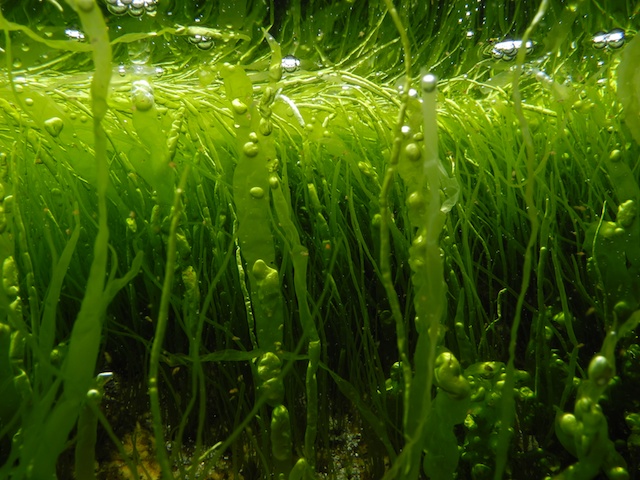
    A new study by marine ecologist Dr Thomas Wernberg, of the University of Western Australia and colleagues reveals that swathes of Australia’s seaweed are shifting south to escape warming oceans, and many risk going extinct.  Their findings are published in Current

  • Japan tsunami debris on course to hit US

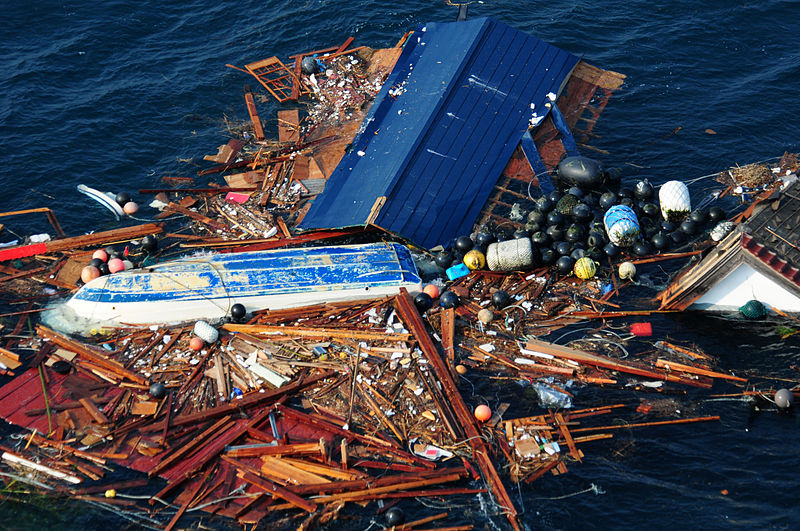
    Debris from the devastating tsunami that hit Japan on March 11 has turned up exactly where scientists predicted it would after months of floating across the Pacific Ocean. Finding and confirming where the debris ended up gives them a better idea of where it’s headed

  • New map shows saltiness of Earth’s oceans

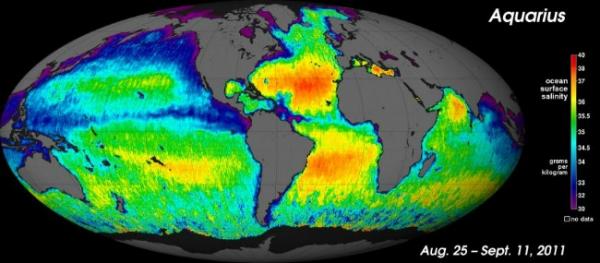
    A NASA-built instrument aboard an international satellite has made its first global map of the saltiness of Earth’s seas, just three months after the high-tech sensor rocketed into orbit.On the colorful map, yellow and red represent areas of higher salinity (or salt