I’m a science journalist and researcher at The Watchers, contributing to the Epicenter edition, where I cover peer-reviewed scientific research and emerging discoveries across Earth and space sciences. With a background in astronomy and a passion for environmental science, I’ve worked in shark and coral conservation in Fiji, conducting reef and shark-behavior research, contributing to mangrove restoration, and earning PADI Open Water and Coral Reef Certifications. I bring a blend of scientific rigor and storytelling to illuminate the discoveries shaping our planet and beyond.

  • Record rainfall triggers flash floods in Omaha as severe thunderstorms hit Nebraska

    Record rainfall triggered flash floods in Omaha, Nebraska, on Thursday, April 24, 2025, as severe thunderstorms moved through the state. Omaha recorded 64 mm (2.5 inches) of rain, surpassing the previous daily record of 43 mm (1.7 inches) set in 2007. Large hail and a couple of tornadoes were also reported during the storms.

  • NASA’s Lucy spacecraft captures images of asteroid Donaldjohanson during flyby

    NASA’s Lucy spacecraft flew by asteroid Donaldjohanson on April 20, 2025, capturing images of its elongated, lumpy bowling pin shape. The flyby, conducted as a test for upcoming Jupiter Trojan asteroid missions, revealed the asteroid’s dimensions as approximately 8 km (5 miles) in length and 3.5 km (2 miles) in width.

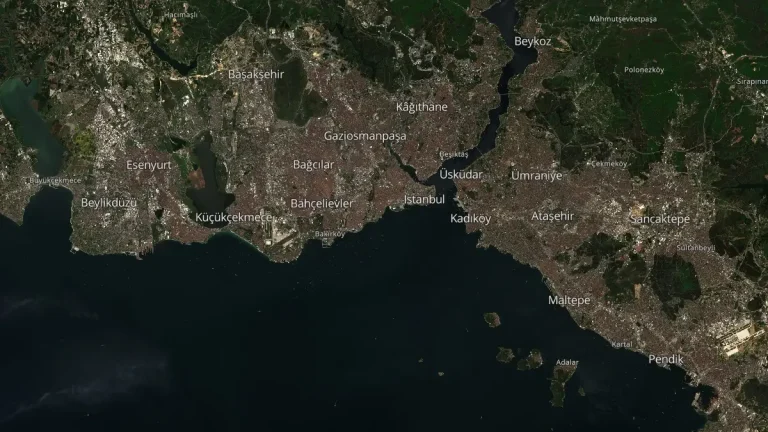
  • Istanbul earthquake raises concern over heightened seismic risk

    An M6.2 earthquake struck Istanbul, Turkey, on April 23, 2025, injuring more than 350 people, damaging buildings, and prompting warnings from seismologist Prof. Dr. Naci Görür about the potential for an M7+ event. He called for urgent action to strengthen the city’s seismic preparedness.

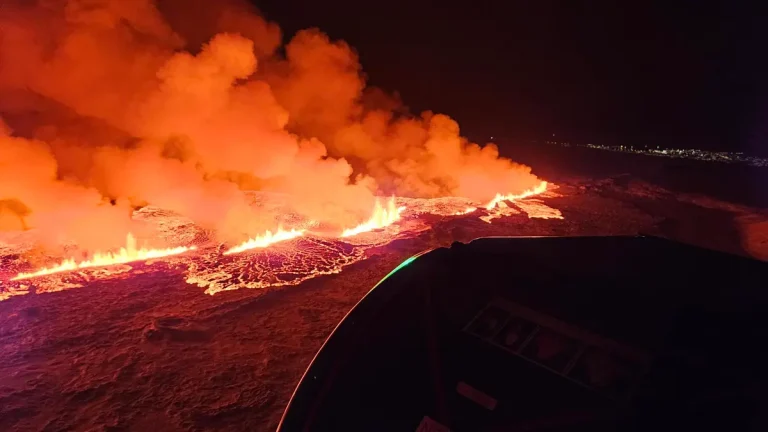
  • Sulfur dioxide from 2023 Icelandic eruption traveled 2 000 km (1 240 miles) to Arctic’s Svalbard Islands

    A Chinese research team tracked sulfur dioxide (SO2) from Iceland’s Sundhnukagigar volcano, which traveled over 2 000 km (1 243 miles) to the Svalbard Islands in the Arctic in 2023, causing significant smog. The findings, published in The Innovation Geoscience, documented the long-distance environmental impact of the eruption.

  • Toxic metals pollute 17% of global cropland, threatening food safety

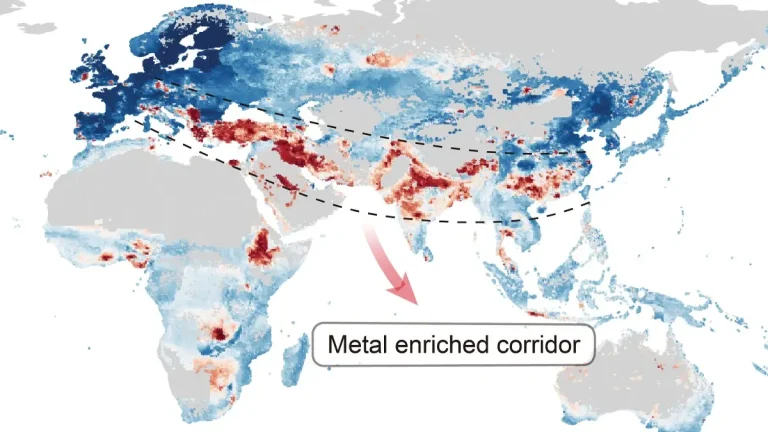
    A new study reveals that 14–17 % of global cropland, roughly 242 million ha (598 million acres), is contaminated with toxic metals, affecting food safety for up to 1.4 billion people. The contamination, driven by metals like cadmium and nickel, poses risks to agriculture and human health worldwide.