• Are we facing a new Chernobyl disaster?

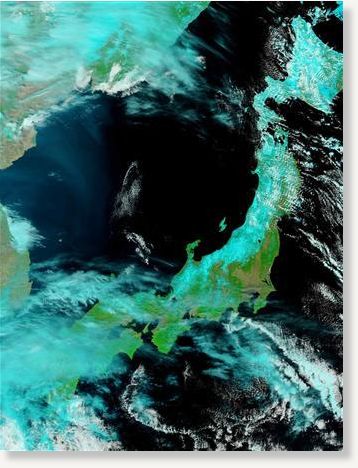
    Dangerously high doses of radiation have been detected in or near the compounds of the quake-hit Fukushima No. 1 nuclear power plant in Fukushima Prefecture. Japan's worsening nuclear crisis will now be compared to the Chernobyl disaster in the former Soviet…
  • Rare Southern Atlantic sub-tropical storm forms

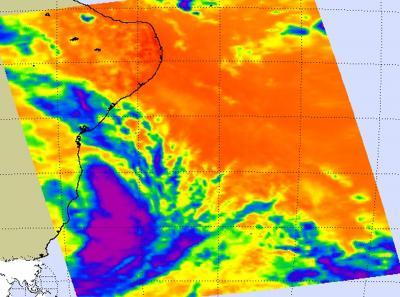
    NASA’s Aqua satellite spotted some strong convection in a recently formed low pressure area that strengthened into Sub-Tropical Storm Arani in the South Atlantic. Arani formed near the coast of Brazil and is now moving away from it. Tropical cyclones in the Atlantic

  • Arctic May Face Record Loss of Ozone This Spring

    Cold temperatures in the upper atmosphere and the lingering presence of ozone-destroying pollutants, called chlorofluorocarbons, have set the stage for what could be a record loss in protective ozone over the Arctic this spring.Unusually low temperatures in the

  • Rifting earth of Ethiopia reveals clues of continets breaking

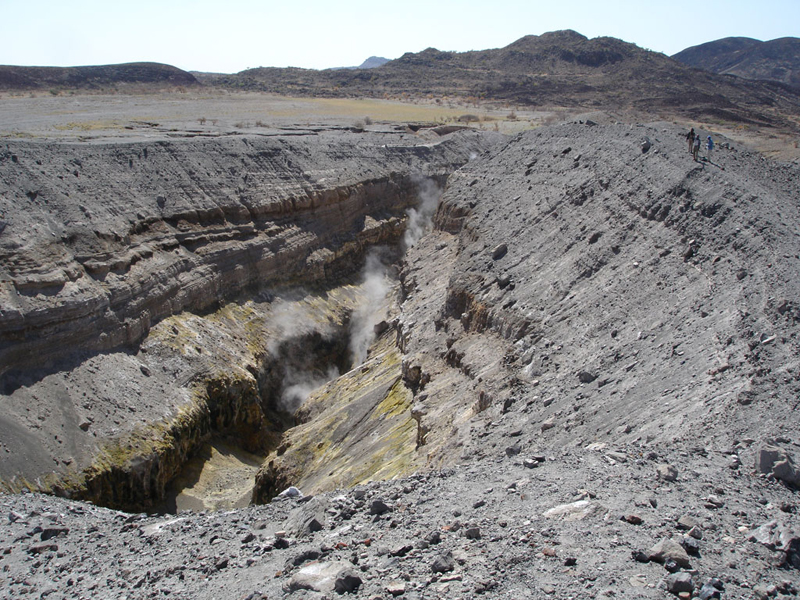
    Seismic activity is tearing Africa apart. The African and Arabian plates meet in the remote Afar desert of Northern Ethiopia and have been going through a rifting process—at a speed of less than 1 inch per year—for the past 30 million years. This rifting formed the

  • Japan earthquake sped up Antarctica ice stream

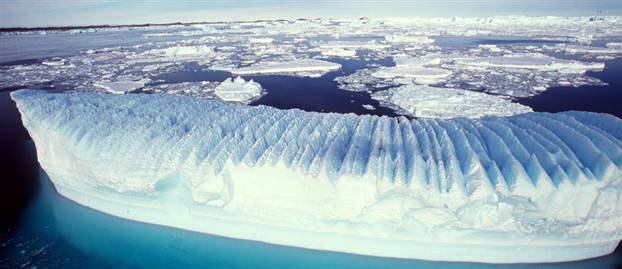
    The 9.0-magnitude earthquake that rocked Japan on Friday (March 11) and sent a tsunami travelling across the Pacific Ocean had another long-range effect: It momentarily caused a glacier in Antarctica to speed its flow, researchers have said.The Whillans glacier,

  • Mercury and Jupiter visible in the evening

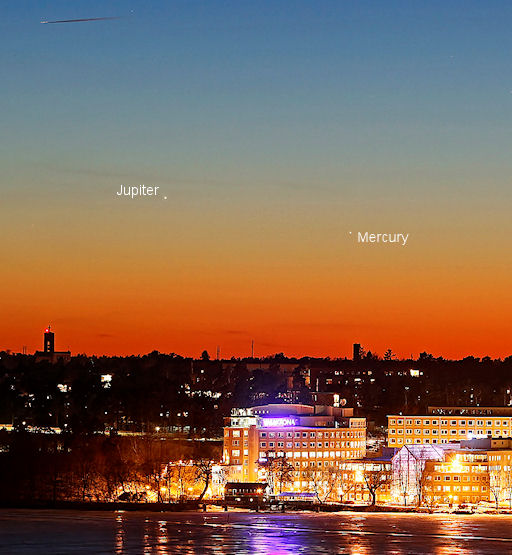
    This week, sky watchers have a rare opportunity to see Mercury at its best as NASA’s MESSENGER probe prepares to enter orbit around the innermost planet. Look west at sunset: Mercury pops out of the evening twilight alongside Jupiter for a fantastic sky show.Peter

  • Japan’s earthquake shifted balance of the planet

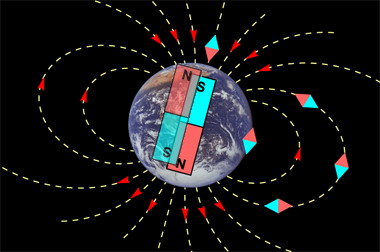
    Last week’s devastating earthquake and tsunami in Japan has actually moved the island (for 2,4meters) closer to the United States and shifted the planet’s axis. The quake caused a rift 15 miles below the sea floor that stretched 186 miles long and 93 miles wide.

  • Are volcanoes and earthquakes related?

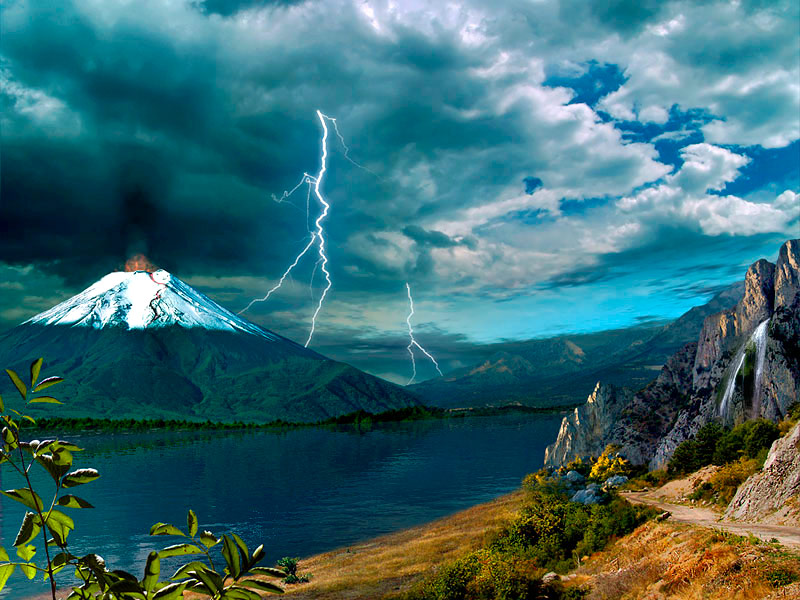
    Before Iceland’s Eyjafjallajökull volcano blew its top in April, spewing thick clouds of ash, the earth around it had already started rumbling, and geologists began warning about an impending eruption.

    The close geological connection is rooted in the

  • Japan quake fault may have moved 40 metres

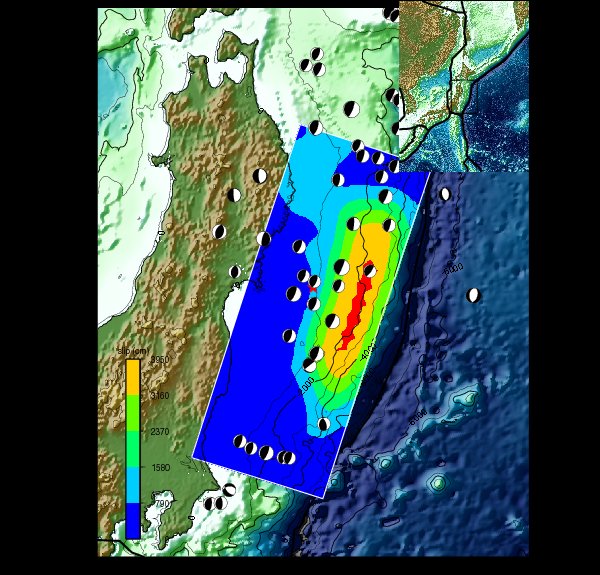
    The latest figures on the earthquake that struck Japan on Friday suggest that, despite all the headlines, it was actually surprisingly small.That is, the area of fault that ruptured was small – somewhere between 300 and 400 kilometres long. By comparison, the